
News List
Drivn builds $140M war chest for electric trucks and buses

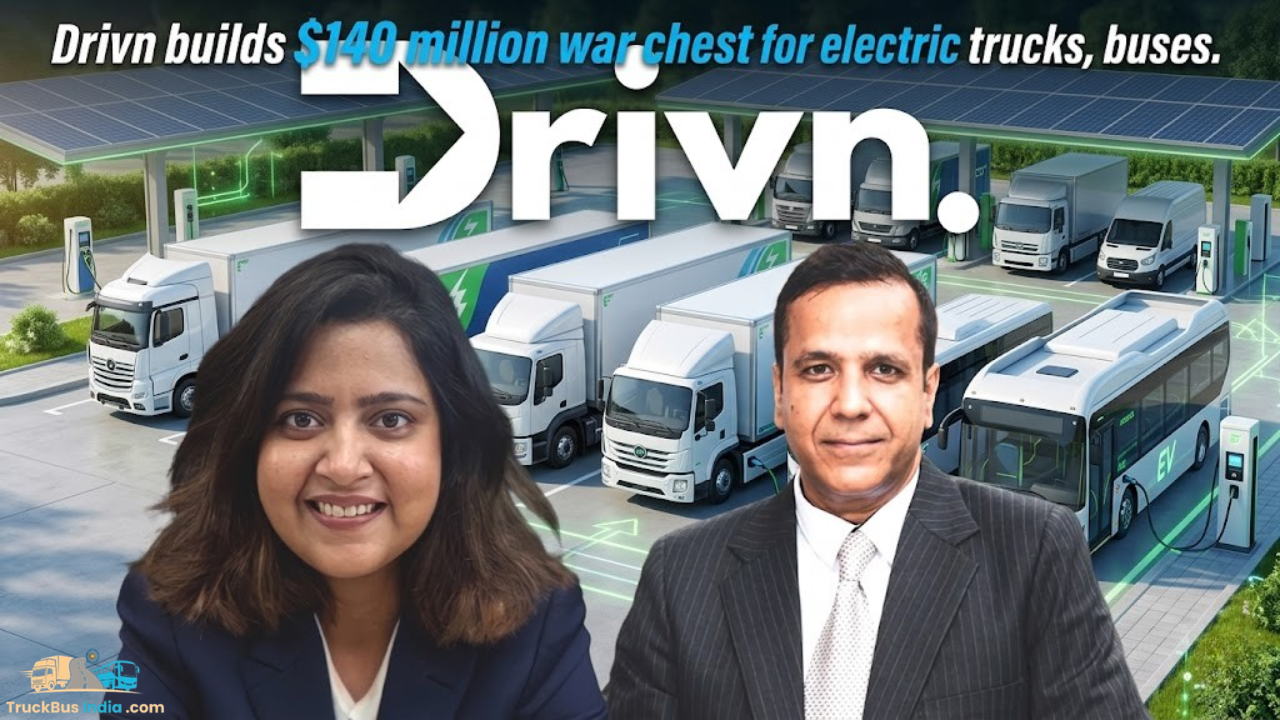
A new electric bus leasing model India is emerging as a private-sector solution aimed at scaling electric buses and trucks without depending on subsidies or slow-moving infrastructure development. Instead of waiting for government support, this approach focuses on financing, operational savings, and rapid asset creation to push electric mobility forward.
The model is built on a simple structure where electric vehicles are purchased and leased to operators, while layered technology helps optimize fleet performance. The core idea is to turn fuel savings into a financial engine that supports expansion.
Electric Bus Leasing Model India Built on Cost Savings
The foundation of the electric bus leasing model India lies in strong unit economics. A diesel bus typically costs about ₹50 per kilometre to operate, while an electric bus reduces this to nearly ₹35 per kilometre. This creates savings of close to ₹30 lakh per year per vehicle.
These savings are central to the business structure. Instead of relying on subsidies, the model captures operational savings and channels them into financing repayments. This allows operators to adopt electric buses without bearing the full burden of high upfront costs.
The company behind this approach, Drivn, believes the biggest challenge in the electric mobility ecosystem is not technology but financing. Electric buses and electric trucks come with significantly higher upfront prices compared to diesel vehicles, making access to capital the key bottleneck in adoption.
Charging Partnerships Strengthen Electric Mobility India Expansion
A major part of scaling the electric bus leasing model India is solving charging access without heavy infrastructure investment. Instead of building its own charging network, the company partners with multiple charge point operators.
These include Charge Zone, Statiq, and Jio-BP, allowing flexibility based on pricing and availability. This partnership-led approach reduces capital expenditure while ensuring operational efficiency for fleet operators.
The company is also strategically avoiding government-heavy contracts. According to the founders, private-sector routes offer better scalability and financial upside compared to public contracts, where margins and execution control are often limited.
Capital-First Strategy Driving Electric Truck Leasing Growth
The broader electric bus leasing model India is part of a capital-intensive expansion strategy designed for early market dominance. The company aims to build a vehicle asset base of over ₹1,200 crore in the near term and reach ₹1,340 crore assets under management by FY27.
The focus is on scaling quickly before traditional banks and larger financial institutions enter the electric mobility space at scale. The founders believe there is a five to seven year window where early players can establish strong market positions.
Electric buses and trucks are still in early adoption stages in India, but the opportunity is significant if financing and infrastructure align. The model positions itself as an early mover in electric truck leasing India as well, extending beyond public transport into logistics and freight.
Conclusion
The electric bus leasing model India represents a shift from subsidy-driven adoption to finance-led scaling in electric mobility. By combining cost savings, private partnerships, and aggressive capital deployment, the model aims to accelerate the transition to electric buses and trucks.
If successful, this approach could redefine how electric mobility India grows, making financing the key driver rather than policy support alone.