
News List
Volvo Electric Truck Targets 700km Long-Haul Range

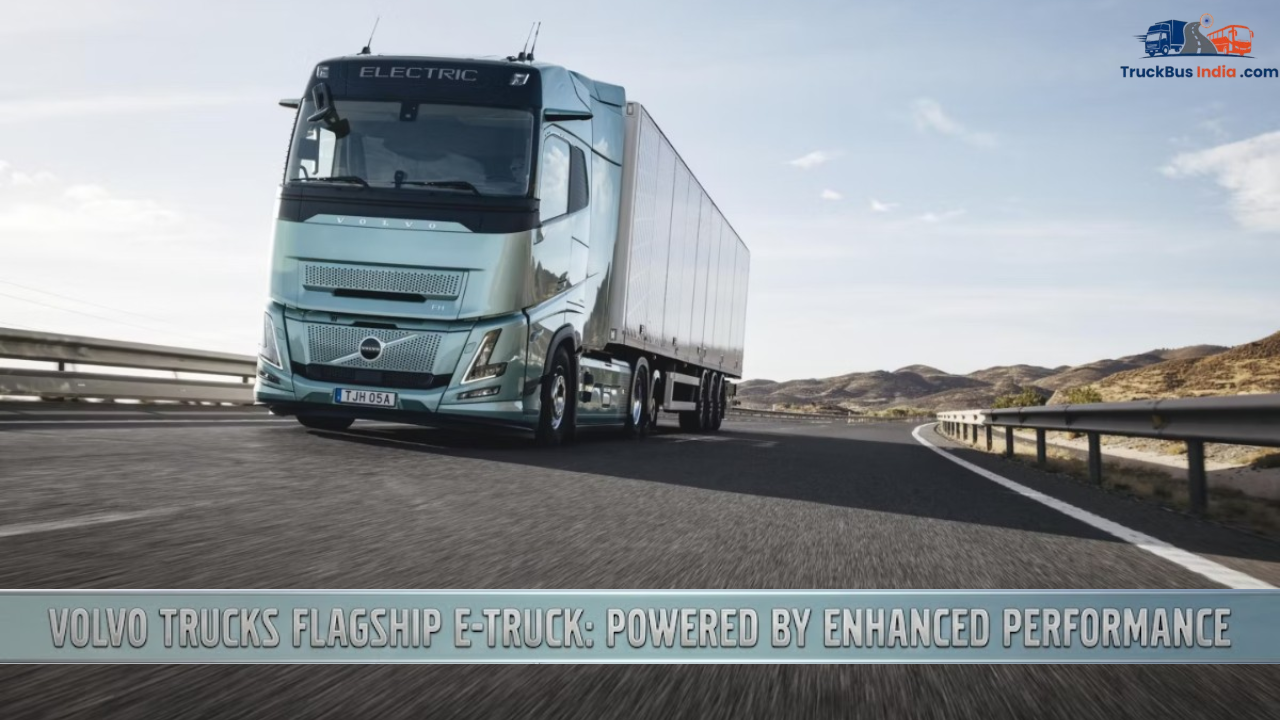
Volvo Trucks has unveiled new details of its upcoming long-haul electric truck, which is scheduled for its world premiere in June and commercial launch in summer 2026. The Swedish automaker has positioned the model as a major step forward in heavy-duty electrification, especially for long-distance freight operations.
The FH Aero Electric now claims a driving range of up to 700 km, marking an improvement of around 100 km over earlier specifications. This puts the model among the most advanced long-haul electric trucks currently under development globally.
Range Upgrade Push in Long-Haul Electric Truck Segment
Volvo’s latest update highlights a clear focus on expanding the capability of its long-haul electric truck lineup, particularly in terms of driving range. The company attributes the improvement to a combination of software optimization, increased usable battery capacity, and improved aerodynamics.
While Volvo now claims up to 700 km, the figure is described as an “up to” value, meaning real-world performance will vary depending on load, terrain, weather conditions, and driving behaviour.
Competitor Renault Trucks previously unveiled a similar model, the E-Tech T 780, with a 600 km range. In comparison, Daimler Truck’s eActros 600 is rated at 500 km but presented as a conservative minimum.
Key Range Highlights
- Up to 700 km range for Volvo FH Aero Electric
- 600 km range for Renault E-Tech T 780
- 500 km conservative range for Daimler eActros 600
- Real-world performance depends on external conditions
Powertrain and Battery Architecture of Long-Haul Electric Truck
The long-haul electric truck introduces a significant drivetrain redesign, replacing Volvo’s I-Shift transmission with a modern e-axle system. This setup includes two electric motors paired with a 6-speed gearbox.
The system delivers a peak output of 460 kW, aligning closely with Renault’s sister model. The e-axle design allows better space utilisation between the axles, enabling higher battery placement and improved energy density.
Battery Configuration Overview
- Total gross capacity: around 780 kWh
- Battery packs: 8 units
- Chemistry: NCA cells (Samsung SDI in Renault counterpart)
- Higher usable energy share in Volvo version (exact figure undisclosed)
Charging Performance
- MCS charging (700 kW): ~50 minutes (20% to 80%)
- CCS charging (350 kW): ~1 hour 25 minutes
Despite offering slightly slower charging than Renault’s version, Volvo compensates with a higher range target.
Performance, Payload and Operational Efficiency
Volvo has also detailed the operational capability of its long-haul electric truck, focusing on freight efficiency and logistics suitability.
The truck supports a gross combination weight of up to 48 tonnes, subject to regional regulations. It also offers a payload capacity of up to 28 tonnes, depending on configuration and trailer weight.
Operational Features
- Gross combination weight: up to 48 tonnes
- Payload capacity: up to 28 tonnes
- Electric power take-off for refrigerated transport
- Eliminates need for diesel generator units
These features position the truck for hub-to-hub logistics, where high utilisation and predictable routes are key.
Competitive Positioning in Electric Truck Market
The long-haul electric truck segment is becoming increasingly competitive, with Volvo, Renault, and Daimler Truck leading the race. Volvo is now focusing on maximum range and operational flexibility, while competitors emphasize charging speed and conservative performance estimates.
Volvo’s President Roger Alm described the model as one of the most capable electric trucks in the industry, highlighting its balance of range, payload, charging efficiency, and driving comfort.
Market Position Comparison
- Volvo: Highest range focus (up to 700 km)
- Renault: Faster charging, slightly lower range
- Daimler Truck: Conservative range estimate (500 km)
- Industry trend: balancing efficiency vs real-world reliability
Conclusion
The upcoming long-haul electric truck from Volvo represents a major step in electrified freight transport, with up to 700 km range, improved drivetrain design, and strong payload capacity. As competition intensifies in the heavy-duty EV space, Volvo is clearly positioning itself at the premium end of long-distance electric logistics, ahead of its 2026 market launch.