
News List
Iran war drives surge in global EV demand

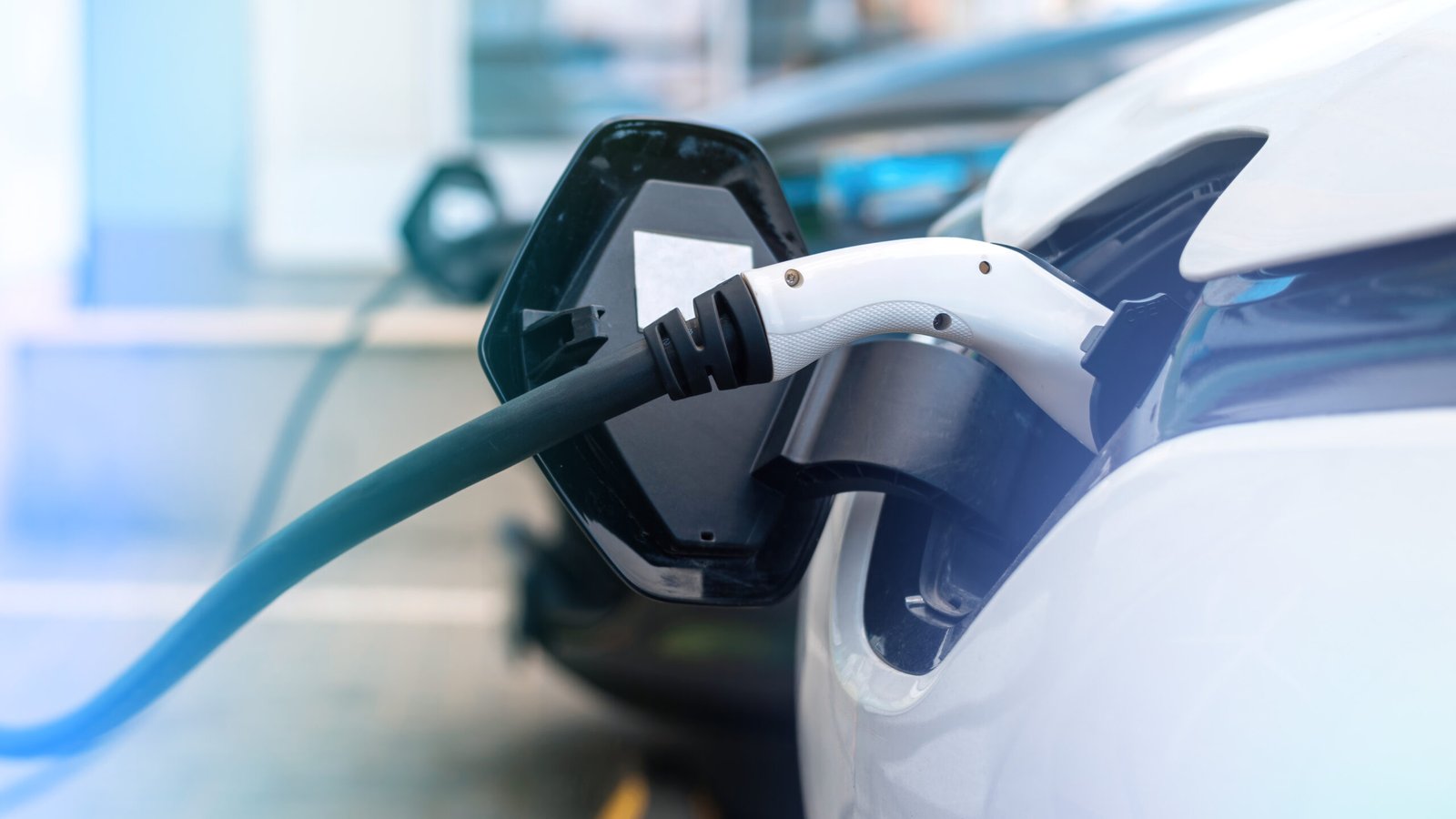
The ongoing Iran war and escalating tensions across the Middle East are reshaping global energy dynamics, pushing fuel prices higher and influencing how consumers think about mobility. With oil supply chains facing disruptions, petrol prices have surged, prompting many to explore alternatives. This shift is once again bringing electric vehicles into focus as a practical option for long-term savings and energy security.
Iran war disrupts global energy supply chains
The Iran war has severely impacted oil flows through the Strait of Hormuz, a crucial route responsible for transporting nearly one fifth of the world’s oil and liquefied natural gas. Disruptions in this corridor have triggered supply concerns, leading to shortages in several regions and pushing global fuel prices upward.
This situation has exposed the vulnerabilities of relying heavily on fossil fuels. Governments and policymakers are now under pressure to rethink energy strategies, while consumers are directly feeling the impact through higher fuel costs.
Rising fuel prices accelerate EV demand globally
As petrol and diesel prices continue to climb, EV demand globally is witnessing renewed momentum. For many consumers, the rising cost of fuel is becoming a key factor in vehicle purchase decisions. Electric vehicles, which offer lower running costs, are now being seen as a more stable and predictable alternative.
The economic argument is becoming stronger, especially for those who travel long distances regularly. Over time, the savings on fuel can offset the higher upfront cost of an electric vehicle, making it an increasingly attractive option.
Surge in consumer interest across major markets
Recent data from car sales platforms shows a clear spike in interest in electric vehicles since the start of the Iran war. In the United States and Europe, platforms have reported a sharp increase in searches and inquiries related to EVs.
Autotrader noted a 28 percent rise in interest for new EVs and a 15 percent increase for used models. Meanwhile, Octopus Electric Vehicles recorded a 36 percent jump in leasing inquiries. These figures highlight how quickly consumer sentiment can shift when fuel prices rise sharply.
Europe sees sharp rise in used EV sales
Europe has emerged as a key region reflecting this shift. Between late February and mid March, petrol prices in the European Union increased by around 12 percent, reaching 1.84 euros per litre. This rise has directly influenced buying patterns.
French retailer Aramisauto reported that its share of EV sales nearly doubled during this period, while the share of petrol and diesel vehicles declined. A similar pattern was observed during previous geopolitical crises, suggesting that such events often accelerate the transition toward electric mobility.
EV demand growth remains gradual, not explosive
Despite the recent surge, experts caution that EV demand globally is unlikely to see an immediate large-scale jump. Instead, the growth is expected to remain gradual. Analysts point out that while high fuel prices increase interest, long-term adoption depends on how sustained these price levels are.
Consumers tend to make vehicle decisions based on long-term expectations. If fuel prices stabilise, the urgency to switch may reduce. However, if high prices persist, it could lead to a more consistent shift toward electric vehicles.
Falling used EV prices support wider adoption
Another important factor supporting EV demand globally is the declining cost of used electric vehicles. As prices fall, second-hand EVs are becoming more accessible to a broader range of buyers.
This trend is particularly important in driving adoption, as it lowers the entry barrier for consumers who may not be able to afford new electric models. Combined with rising fuel costs, this is encouraging more people to consider making the switch from petrol vehicles.
Conclusion
The Iran war has once again highlighted the risks associated with global dependence on fossil fuels. Rising fuel prices are pushing consumers to rethink their choices, leading to a noticeable increase in EV demand globally. While the transition is expected to remain gradual, the current situation is accelerating an already ongoing shift toward cleaner and more sustainable transportation.