
News List
Haryana Raises Minimum Wage 35% After Factory Unrest

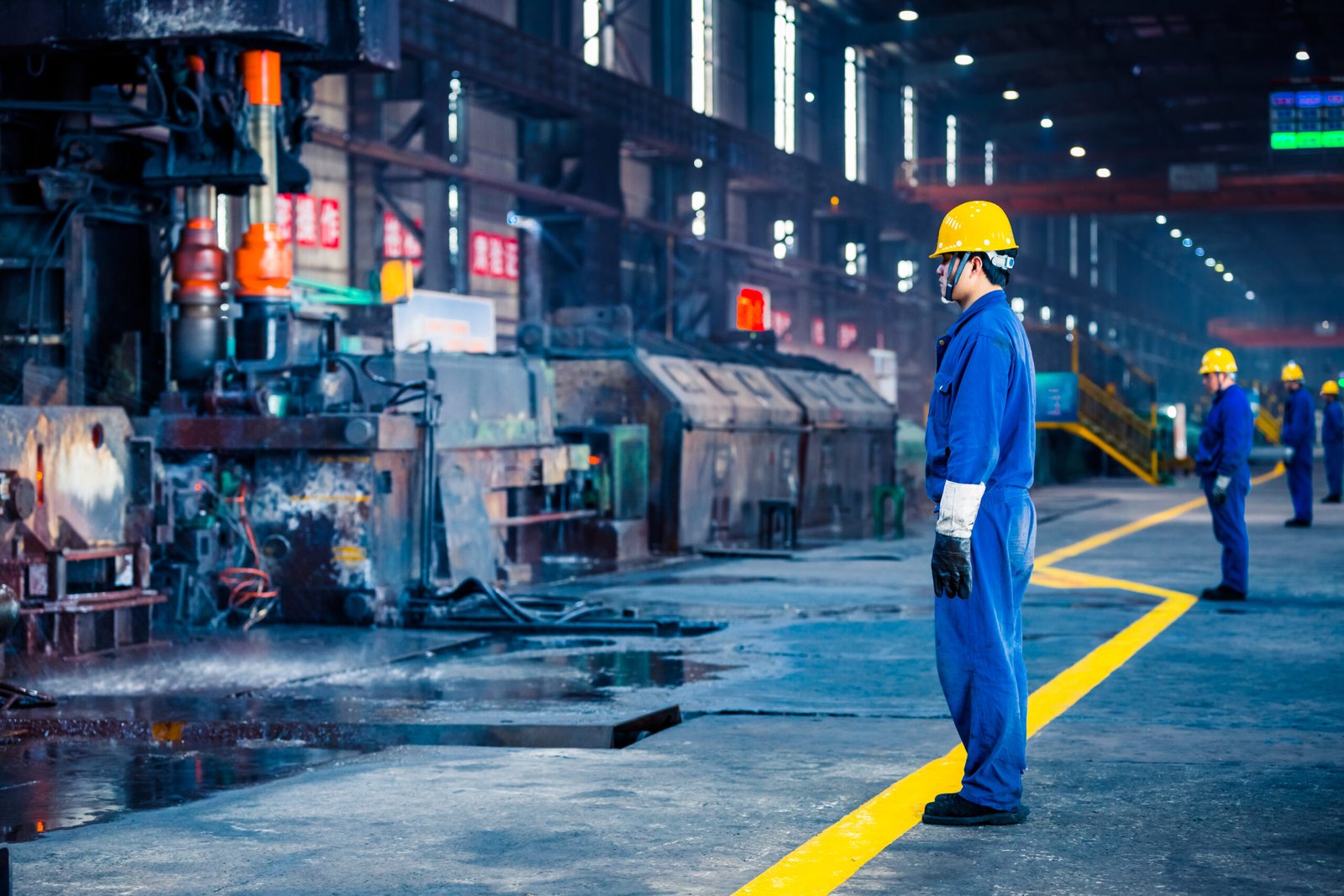
Haryana, one of India’s most important automobile manufacturing hubs, has announced a significant 35% increase in minimum wages following days of worker protests and factory disruptions. The decision comes amid rising cost-of-living pressures that have triggered unrest across industrial areas, leading to production slowdowns and tensions between workers and employers.
The revised wage structure is expected to bring immediate relief to workers but may also increase cost pressures for the already strained automobile and manufacturing sectors operating in the state.
Haryana Announces 35% Minimum Wage Hike After Unrest
The Haryana government has officially increased minimum wages after widespread protests and factory boycotts in key industrial zones. The decision follows growing unrest among workers who have been struggling with rising daily expenses and inflationary pressure in recent weeks.
Under the new order, the monthly minimum wage for unskilled workers has been raised to approximately $165, up from around $120 earlier. The revised wages came into effect from April 1 and are aimed at providing financial relief to workers affected by increased living costs.
The move comes after days of unrest in industrial belts where workers raised concerns about affordability and economic pressure. Authorities stated that the wage revision was necessary to restore stability and ensure smooth functioning of industrial operations.
Revised Pay Structure for Unskilled Workers Explained
The updated wage structure primarily impacts unskilled labour across Haryana’s industrial sectors. The 35% increase is one of the most significant revisions in recent years and reflects the state’s response to rising inflationary pressures.
The revised monthly wage of $165 is expected to help workers manage essential expenses such as food, transportation, and housing. Many workers had reported sharp increases in basic commodity prices, which had created financial stress in industrial communities.
The government stated that the wage revision is intended to balance worker welfare with industrial productivity. However, industry stakeholders have expressed concern that increased labour costs could affect competitiveness, especially in export-linked manufacturing sectors.
Protests in Manesar Trigger Industrial Disruptions
The wage revision follows intense protests in Manesar, a major industrial hub located near Delhi that houses several automobile manufacturing units and component suppliers. Reports indicate that demonstrations escalated into clashes with police in certain areas, leading to temporary disruptions in factory operations.
Workers across multiple facilities reportedly participated in protests and boycotts, resulting in reduced production output for several suppliers in the region. The unrest highlighted growing dissatisfaction among industrial labourers over rising cost-of-living pressures.
According to worker accounts, food and essential goods prices had nearly doubled in recent weeks, adding to the financial burden. Some migrant workers also temporarily left the region due to economic uncertainty.
Auto Industry Faces Rising Cost and Supply Pressure
India’s automobile sector, heavily concentrated in Haryana, is now facing additional cost pressure following the wage hike. Manufacturers were already dealing with increased raw material costs and supply chain disruptions linked to global geopolitical tensions affecting energy and logistics markets.
Leading automakers such as Tata Motors and Mahindra have already raised vehicle prices in response to rising input costs. Maruti Suzuki has also indicated the possibility of further price adjustments if cost pressures continue.
Industry experts believe that supply chain normalisation may take several weeks even if external conditions stabilise. The ongoing disruption has affected multiple tiers of suppliers, slowing down production schedules and delivery timelines across the sector.
Some companies have attempted to retain workers by offering additional benefits such as meals and bonuses. However, labour retention remains a key concern for many small and medium-scale suppliers operating in industrial clusters.
Worker Return and Government Efforts to Stabilise Factories
Following the announcement of the revised wage structure, state officials have urged workers to resume duties peacefully and help restore normal industrial activity. Early reports suggest that several workers have already returned to factories after being informed of the wage increase.
Authorities are now focusing on stabilising industrial operations and preventing further disruptions. The government has emphasised the importance of maintaining a balance between worker welfare and economic productivity in the region.
Efforts are also being made to address broader supply chain and energy-related challenges affecting industrial output. Industry groups have called for additional support measures to ensure continuity of operations and prevent long-term production losses.