
News List
Diesel Price Surge Hits Australia Freight Industry Hard

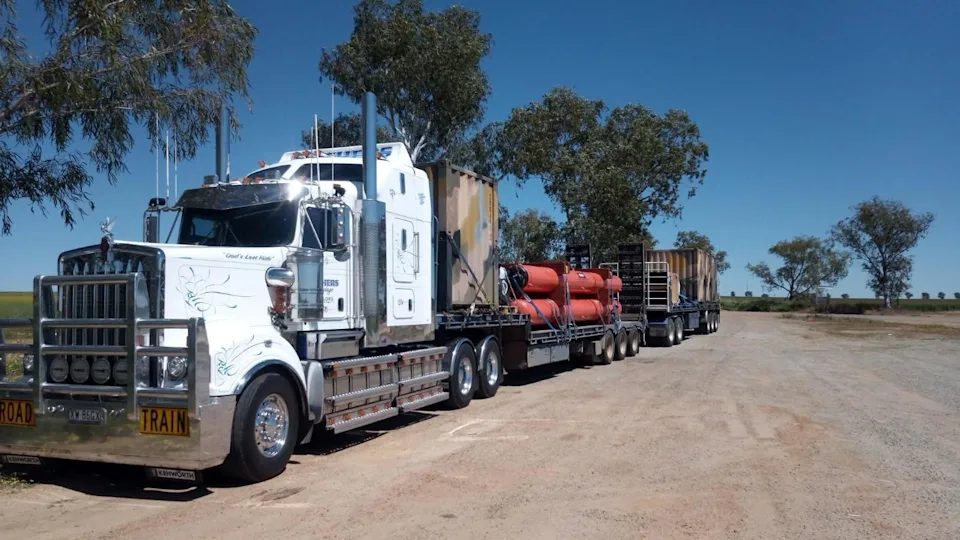
Australia’s freight and logistics sector is facing severe disruption as diesel prices surge to record highs, placing intense financial pressure on trucking operators. The crisis has escalated rapidly following global oil shocks linked to geopolitical tensions, pushing fuel costs to nearly double previous levels.
Industry operators say the situation is now threatening the viability of long-haul transport, which forms the backbone of Australia’s supply chain.
Diesel prices double amid global fuel crisis
Australia, like many other nations, is experiencing one of its sharpest fuel price spikes in decades. Diesel prices, which are essential for heavy freight operations, have more than doubled since the outbreak of conflict in Iran, which has disrupted global oil supply routes.
Truck operators report that the national average diesel price has risen sharply from around 180 cents per litre to over 310 cents per litre. Petrol prices have also increased significantly, adding to nationwide inflationary pressure.
Rising cost burden for freight operators
Freight businesses that rely on continuous long-haul operations are now struggling to absorb rising operational expenses. Fuel costs that previously accounted for a manageable share of expenses have now become the dominant cost driver.
Price volatility impacting logistics planning
Operators are finding it increasingly difficult to plan long-distance deliveries as fuel availability and pricing fluctuate across regions, especially along remote routes such as the Nullarbor Plain.
Freight operators face severe financial strain
Small and medium freight operators are among the hardest hit by the fuel crisis. Many report that their monthly fuel expenditure has nearly doubled, forcing them to rework contracts, delay jobs, or increase charges to customers.
Some businesses say they must operate on delayed payment cycles of up to 60 days, creating cash flow challenges while fuel costs must be paid upfront.
Cash flow pressure intensifies
Operators are often required to spend large amounts on fuel before receiving payment for completed deliveries, creating financial instability in the sector.
Rising operational risks for small carriers
Many small trucking companies are reconsidering routes or reducing trip frequency due to unsustainable cost increases and unpredictable fuel supply conditions.
Supply chain disruptions spread across Australia
Fuel shortages and high diesel prices have begun affecting logistics routes across vast regions of Australia. Long-haul transport corridors, especially those crossing remote areas, are experiencing supply uncertainties.
Truck drivers report fuel station shortages along key routes, forcing rerouting and delays in deliveries of essential goods such as food, machinery, and construction materials.
Remote route challenges increase delivery delays
Routes like the Nullarbor Plain, which already require long-distance fuel planning, are now becoming more difficult to operate due to limited refuelling points and higher diesel costs.
Essential goods movement under pressure
Since nearly all goods depend on trucking at some stage, disruptions in freight movement are starting to impact broader supply chains, including retail and industrial sectors.
Government response and industry concerns
The Australian government has introduced financial support measures, including interest-free loans for transport operators and fuel-related industries. However, industry stakeholders argue that these measures may not be sufficient.
Loans seen as limited relief
Freight operators suggest that debt-based relief does not solve the immediate issue of rising fuel costs and reduced cash flow. Many are calling for direct fuel subsidies or faster payment support mechanisms.
Industry calls for structural solutions
Experts warn that without long-term intervention, smaller freight operators may exit the market, leading to reduced competition and higher logistics costs across the economy.
Conclusion
The surge in diesel prices has placed Australia’s freight industry under unprecedented strain, disrupting logistics networks and threatening the stability of supply chains. While government support measures offer partial relief, operators continue to struggle with rising costs and operational uncertainty.
As global fuel markets remain volatile, the future of Australia’s freight sector will depend on how quickly cost pressures can be stabilised and structural support measures implemented.