
News List
Fuel Supply Panic Hits Parts of Southern India

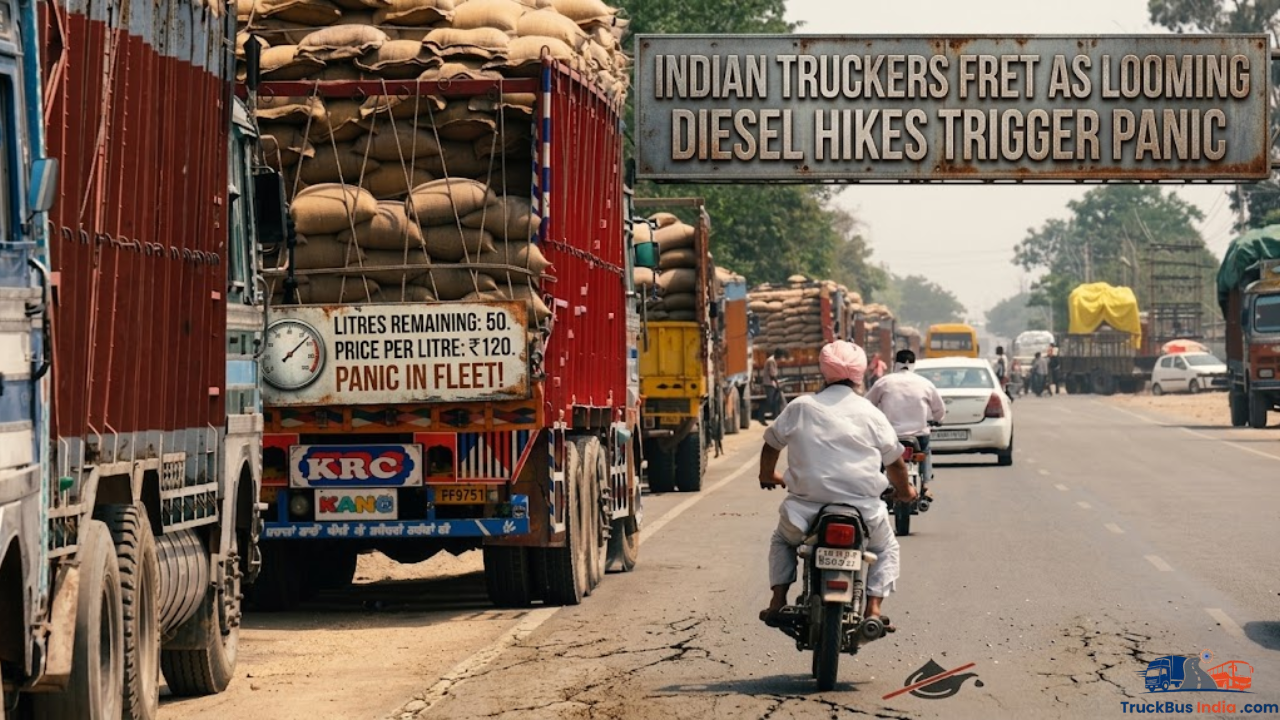
Motorists in parts of Andhra Pradesh and Telangana were met with alarming notices of “no petrol, no diesel” at several fuel stations, triggering panic buying and long queues across multiple cities. As the news spread, residents rushed to remaining operational outlets, causing traffic congestion and widespread concern over fuel availability.
Authorities were quickly deployed to manage the situation and clarified that the disruption was temporary, attributing it to local transport delays rather than a systemic shortage. Despite official reassurances, fears of a broader fuel crisis continued to spread among consumers.
Panic buying triggered by supply disruption fears
Long queues and rushed demand
Fuel stations that were still operational saw heavy crowding as motorists attempted to stock up amid uncertainty. In several areas, queues extended onto main roads, slowing traffic and creating logistical challenges for local authorities.
Officials cite temporary logistics issues
State authorities in both Andhra Pradesh and Telangana stepped in to calm the situation, stating that the shortage was not due to national fuel scarcity but temporary supply chain disruptions affecting delivery schedules.
Price hike expectations add to uncertainty
Market speculation fuels concern
The panic was further intensified by growing expectations that fuel prices may rise for the first time in several years. Market observers believe that adjustments could follow ongoing regional developments and global crude oil volatility.
Industry signals indicate pressure
Oil marketing companies have already withdrawn certain discounts offered to bulk buyers and have reportedly reduced supply flexibility, leading to longer wait times and tighter availability at retail outlets.
Government stance and economic pressure
Official denial of immediate price hike
A senior official from the oil ministry stated that there is no current proposal to increase retail fuel prices. Authorities emphasized that supply management measures are in place to ensure stability.
Inflation and sectoral impact concerns
A potential rise in fuel prices could significantly impact transportation, agriculture, mining, and logistics. Diesel-dependent sectors such as trucking, which handles the majority of freight movement in India, are expected to be the most affected.
Broader economic risks and consumer impact
Rising operational costs across industries
Experts warn that any increase in fuel prices could lead to higher costs for essential goods, including food and manufactured products. Diesel price changes would also affect electricity backup systems used during power shortages.
Government balancing pricing mechanism
India’s fuel pricing system is closely linked to excise duties and global crude trends. While duties are adjusted to cushion price shocks, rising international oil prices have placed increasing pressure on refiners and government finances.
Conclusion
The recent fuel shortages in southern India have triggered panic among consumers, even as authorities insist supplies remain stable. With rising global oil prices and market speculation about future hikes, concerns over fuel affordability and availability are likely to persist in the coming weeks.