
News List
Tyre Industry Moves Towards Circular Economy And Sustainability

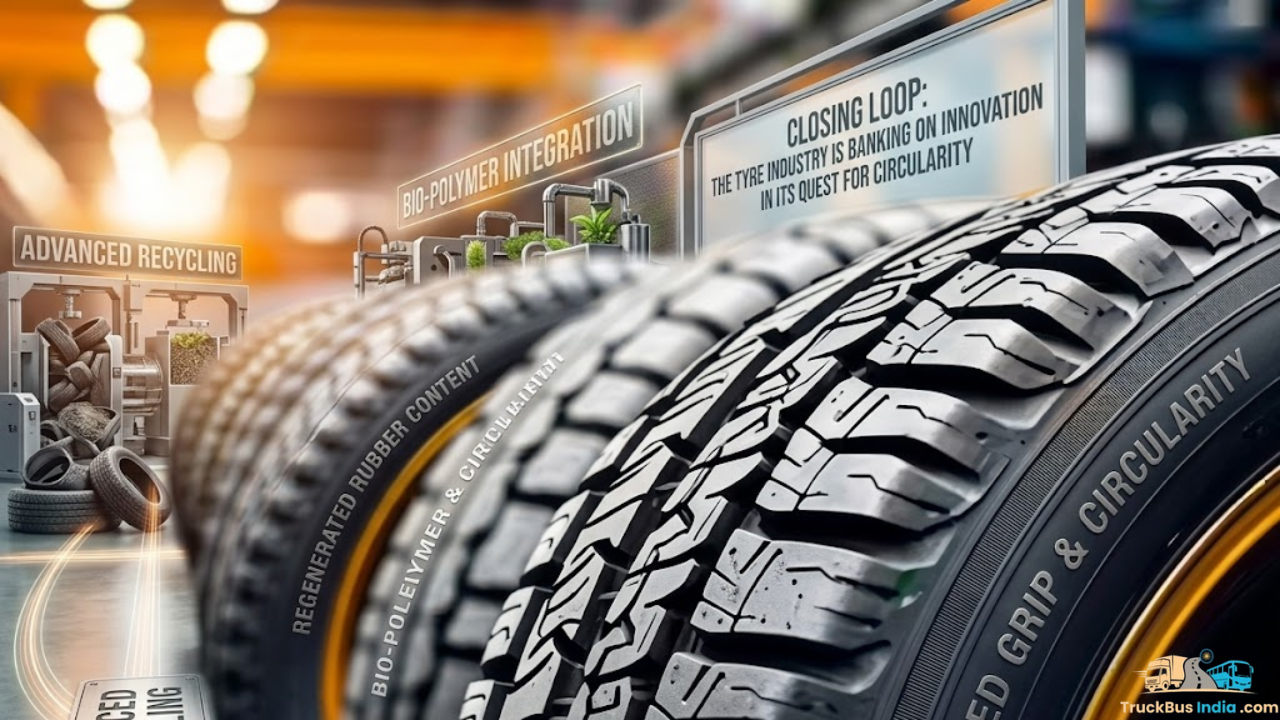
The tyre industry is undergoing a major transformation as manufacturers adopt circular economy principles to tackle rising waste and environmental concerns. With nearly 1.5 to 2 million tonnes of used tyres piling up annually in India, the need for sustainable solutions has become urgent. From bio based materials to recycling and leasing models, companies are reshaping how tyres are produced, used, and reused.
Tyre waste challenge drives sustainability push
Used tyres are a significant environmental concern, contributing to landfill waste and releasing harmful chemicals into air, soil, and water. They also emit methane, adding to greenhouse gas emissions.
Environmental impact of tyre waste
The growing volume of discarded tyres has made it clear that traditional disposal methods are no longer viable. This has pushed the industry to explore circular solutions that minimise waste and maximise reuse.
Bio based materials reshape tyre manufacturing
Tyre production has traditionally relied on petroleum based materials like synthetic rubber and carbon black. However, manufacturers are now experimenting with alternatives such as bio based polymers derived from guayule and dandelions.
Shift towards renewable content
These innovations could increase renewable content in tyres from the current 20 to 30 percent to as high as 85 percent in the coming decades. This shift significantly reduces dependence on fossil fuels and lowers environmental impact.
Recycling and leasing models gain traction
Manufacturers are increasingly adopting recycled materials like crumb rubber and reclaimed carbon black. At the same time, new business models are emerging to ensure better lifecycle management.
Leasing model improves lifecycle control
Some companies are introducing tyre leasing models, where tyres are rented instead of sold. This ensures that tyres are returned after use and properly recycled, giving manufacturers better control over their environmental footprint.
Key circular economy steps adopted by tyre industry
- Use of recycled materials like crumb rubber and reclaimed carbon black
- Introduction of tyre leasing and rental models
- Adoption of blockchain and digital tracking systems
- Focus on lifecycle management and end of life recycling
- Increased use of bio based and sustainable raw materials
Regulations and accountability push industry forward
Governments and policymakers are playing a key role in accelerating the shift. India introduced Extended Producer Responsibility rules in 2022, making it mandatory for tyre manufacturers to meet recycling targets.
EPR norms strengthen compliance
These rules require companies to track their recycling performance through digital credits and take responsibility for tyre disposal beyond production. Global markets like the European Union have also introduced strict recycling quotas.
Circular economy becomes business necessity
Sustainability is no longer optional for tyre manufacturers. Investors, consumers, and regulators are all demanding greater transparency and eco friendly practices.
Market growth and investment trends
The global tyre recycling market is expected to grow significantly, reaching 9.25 billion dollars by 2030. This growth is driving investments in recycling infrastructure and formalising the sector.
Cost challenge remains key hurdle
Despite progress, cost continues to be a major barrier. Sustainable tyres are currently more expensive due to new materials and technologies.
Gradual cost reduction expected
However, as adoption increases and production scales up, costs are expected to decline. Similar trends have already been seen in solar energy and electric vehicles, and the tyre industry is beginning to follow the same path.
Conclusion
The tyre industry’s shift towards a circular economy marks a crucial step in addressing environmental challenges. With innovations in materials, recycling, and business models, manufacturers are redefining sustainability in the sector.
While challenges like cost remain, strong regulatory support and growing market demand are likely to accelerate this transition. As companies aim for 100 percent sustainable materials by 2050, the industry is steadily moving towards a greener and more responsible future.