
News List
MSRTC Increases Bus Fares by 10 Percent from April 15

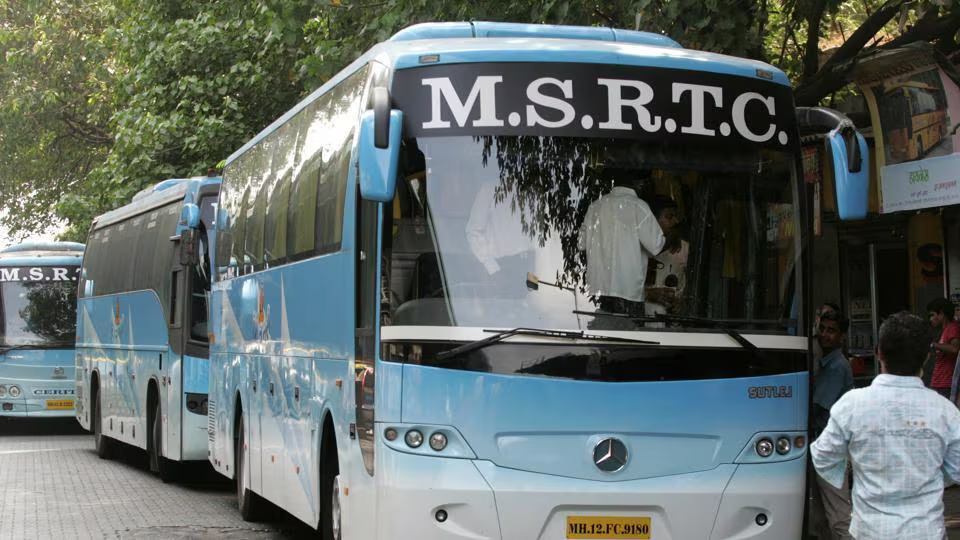
The Maharashtra State Road Transport Corporation (MSRTC) has announced a 10 percent increase in bus fares across its network, effective from April 15. The decision has been taken as part of a seasonal pricing revision during the peak summer travel period, when passenger demand rises significantly across the state.
The fare hike will impact both daily commuters and long-distance travellers, with ticket prices on several major routes expected to rise noticeably.
MSRTC Implements Seasonal Fare Revision Across Maharashtra
MSRTC has confirmed that the 10 percent fare hike will apply across multiple service categories, including ordinary, express, and night bus services. The revision is part of a seasonal pricing strategy used to manage increased operational costs during high-demand travel periods.
Officials stated that such adjustments are common during summer months when passenger traffic increases sharply. The revised structure aims to ensure service continuity and financial stability for the transport corporation.
The minimum fare per stage has been updated to ₹12 for adults and ₹7 for children.
Minimum Fare Structure Revised
The revised fare structure establishes a new baseline for short-distance travel. This adjustment ensures that even local routes reflect the updated pricing model while maintaining affordability for shorter trips.
Coverage Across Bus Categories
The fare revision applies to all major MSRTC services, ensuring uniform implementation across Maharashtra’s extensive transport network.
Long-Distance Routes See Noticeable Price Increase
Passengers travelling on long-distance routes will experience fare hikes of approximately ₹90 to ₹100 depending on the destination. Key intercity routes such as Mumbai to Chhatrapati Sambhaji Nagar, Solapur, Latur, and Ratnagiri have all seen revised pricing.
For example, the Mumbai to Latur route has increased from ₹900 to ₹1,000, while Mumbai to Solapur has risen to ₹825 from ₹750. These changes reflect MSRTC’s standard approach of adjusting fares proportionally across route distances.
Impact on Key Intercity Routes
Major travel corridors connecting Mumbai with other cities have been directly affected by the revision. These routes typically carry high passenger volumes, making them more sensitive to price changes.
Seasonal Demand Driving Fare Adjustment
The summer season traditionally brings increased travel demand across Maharashtra, prompting MSRTC to adjust fares to manage operational load and rising costs.
Operational Pressures Behind the Fare Hike
The 10 percent fare increase also reflects broader financial pressures faced by MSRTC. Rising fuel prices, maintenance costs, and seasonal demand fluctuations have made periodic fare revisions necessary for sustaining operations.
Transport officials have indicated that such pricing adjustments are part of a long-standing policy framework used to balance revenue and service requirements.
Rising Fuel and Maintenance Costs
Increasing operational expenses, particularly fuel and vehicle maintenance, have contributed significantly to the need for fare revision.
Revenue Stability for Public Transport
The fare hike is expected to help MSRTC maintain financial stability while continuing to serve rural and urban passengers across Maharashtra.
Passenger Impact and Public Response
The fare revision is likely to impact regular commuters and long-distance travellers the most. While MSRTC remains one of the most affordable transport options in the state, any increase in fares directly affects household travel budgets.
Past fare hikes have sometimes faced public criticism, especially when introduced during peak travel seasons. However, officials argue that seasonal adjustments are necessary to maintain service quality and operational efficiency.