
News List
Russia offers discounted LNG amid global supply crisis

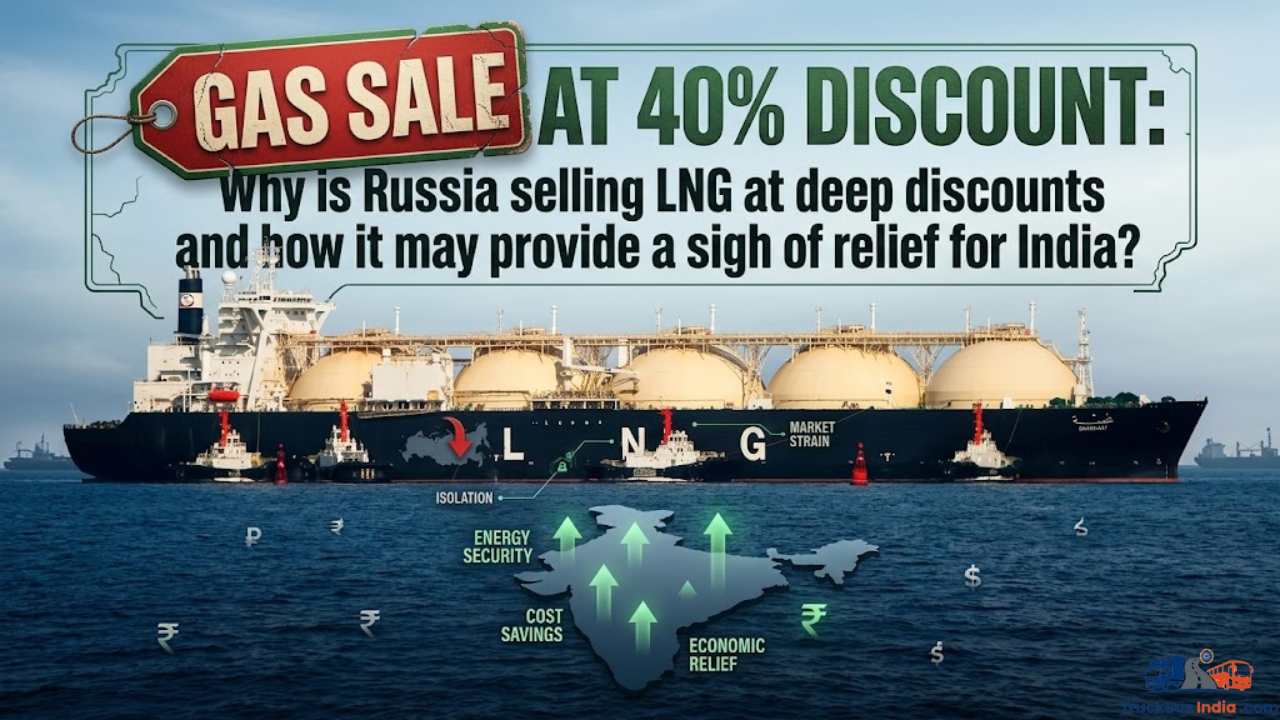
Russia is reportedly offering liquefied natural gas (LNG) at steep discounts to South Asian countries as global energy markets remain under pressure due to ongoing supply disruptions. The move comes at a time when importing nations, including India, are seeking alternative and more affordable energy sources.
Russia LNG discounts target energy-starved markets
Russia is offering LNG at discounts of up to 40 percent below spot prices through intermediary firms based in China and Russia. These shipments are being directed toward South Asia, where demand for affordable energy remains high amid global price volatility.
The Russia LNG discount strategy is aimed at expanding exports from sanctioned facilities while bypassing traditional trade restrictions. Reports indicate that intermediaries are also offering documentation to mask the origin of shipments, allowing them to appear as non-Russian supplies.
Global gas supply disruptions tighten energy markets
Global gas markets are facing significant pressure due to disruptions in key supply routes and export infrastructure. These challenges have reduced overall availability and pushed up energy costs for importing countries.
The Strait of Hormuz disruption has further tightened LNG supply chains, affecting nearly a fifth of global gas flows. This has added strain to already constrained markets and increased reliance on alternative suppliers.
At the same time, Russia continues to ramp up exports from sanctioned projects such as Arctic LNG 2 and Portovaya. However, limited shipping capacity and buyer caution have restricted full-scale utilisation of these facilities.
India energy imports face balancing challenge
India continues to follow a cautious approach toward sanctioned energy imports while managing its dependence on global oil and gas supplies. The country has avoided direct purchases from blacklisted Russian LNG projects.
India’s energy import strategy focuses on diversification as supply disruptions persist in global markets. In recent periods, it has increased reliance on suppliers such as Saudi Arabia and Iraq when regional instability has affected availability.
While discounted LNG offers potential cost relief, policy compliance and geopolitical risks remain key considerations in India’s procurement decisions.
Conclusion
Russia’s discounted LNG offerings highlight shifting dynamics in the global energy market amid continued supply disruptions. While these offers may provide short-term price relief for import-dependent countries like India, broader geopolitical risks continue to influence long-term energy sourcing strategies.