
News List
Volvo Begins On-Road Trials of Hydrogen-Powered Trucks

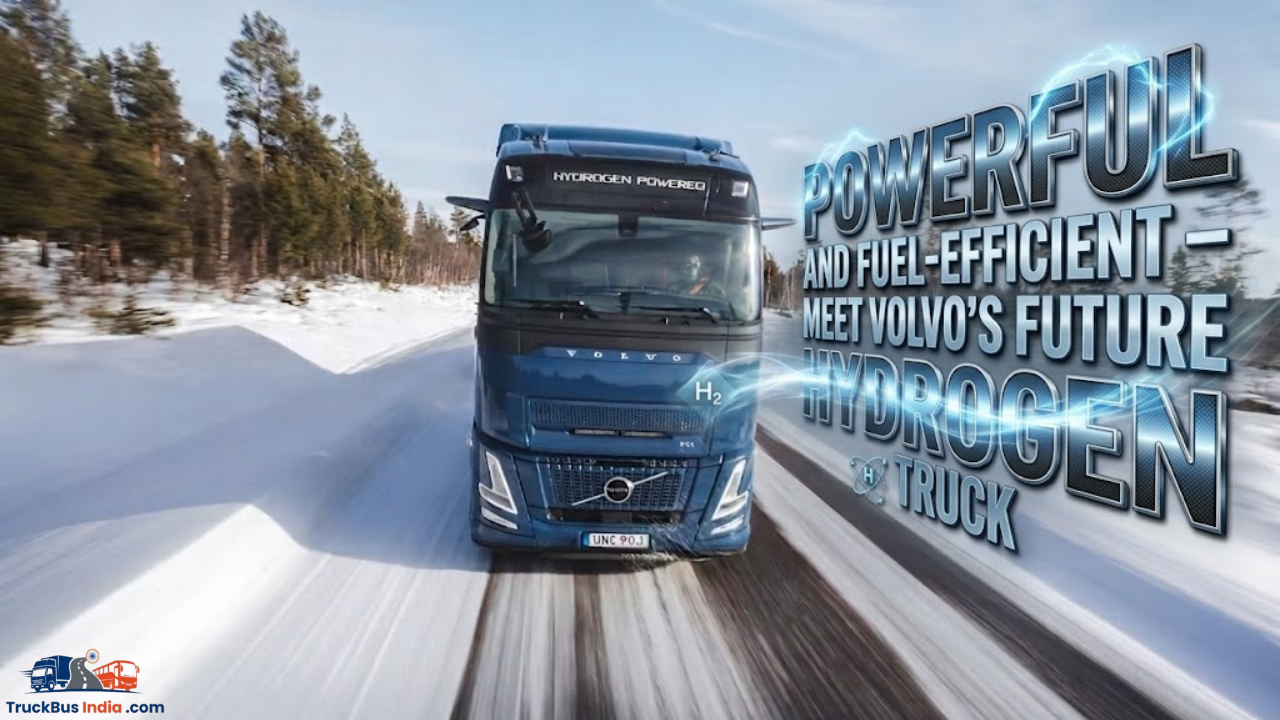
Volvo Trucks has started on-road testing of heavy trucks powered by hydrogen combustion engines, marking a significant step toward net-zero CO2 emissions in long-haul transport. The commercial launch of these hydrogen trucks is planned before 2030, offering a new alternative for operators seeking sustainable transport solutions.
Volvo’s hydrogen-powered trucks combine high energy efficiency with lower fuel consumption and increased engine power, surpassing conventional hydrogen combustion technology. This is achieved through High Pressure Direct Injection (HPDI), a method where a small amount of ignition fuel is injected at high pressure to enable compression ignition before adding hydrogen. Volvo has successfully used HPDI in over 10,000 gas-powered trucks globally, demonstrating the technology’s performance and reliability.
Diesel-Like Performance with Zero Emissions
Jan Hjelmgren, Head of Product Management at Volvo Trucks, highlighted the trucks’ industry-leading performance in fuel efficiency, power, torque, and drivability. “Customers will be able to operate them just like diesel trucks,” he said. Hydrogen combustion trucks are particularly suitable for long-distance routes and regions where battery-electric charging infrastructure is limited or where recharging time is a concern.
When powered with green hydrogen and renewable ignition fuels like HVO (Hydrotreated Vegetable Oil), these trucks have the potential to achieve net-zero CO2 well-to-wheel. They are categorized as Zero Emission Vehicles under EU CO2 standards, combining diesel-like performance with substantial reductions in greenhouse gas emissions.
Complementing Volvo’s Decarbonization Strategy
Volvo Trucks is pursuing a three-path strategy to achieve net-zero emissions, which includes battery-electric, fuel-cell electric, and hydrogen combustion engines running on renewable fuels. The hydrogen-powered trucks complement other zero-emission alternatives, including fuel cell electric trucks that produce electricity on board with only water vapor as emissions. Volvo plans to launch fuel cell electric trucks in low volumes before 2030.
According to Hjelmgren, hydrogen combustion trucks will play a critical role in transforming the transport sector. Several technologies will be required to decarbonize commercial transport, and Volvo aims to offer a variety of solutions tailored to transport assignments, infrastructure availability, and energy costs.
Industry-Leading Technology
The hydrogen trucks use HPDI technology from Cespira, delivering a range exceeding most customers’ daily driving distances while maintaining low CO2 emissions. Derived from Volvo’s diesel powertrain, the advanced hydrogen engine provides familiar operational performance with environmental benefits. These trucks are part of Volvo’s commitment to sustainability, quality, and safety, supported by a global dealer network of 2,200 service points across approximately 130 countries.
In 2025, Volvo delivered around 120,000 trucks worldwide, demonstrating its scale and expertise in medium- and heavy-duty vehicles. The introduction of hydrogen-powered trucks underscores Volvo’s ambition to lead the transition to zero-emission commercial transport while maintaining high operational standards for customers globally.
FAQ
What is unique about Volvo’s hydrogen trucks?
They use HPDI technology for high efficiency, diesel-like performance, and low CO2 emissions, suitable for long-haul routes.
When will hydrogen trucks be commercially available?
Volvo plans a commercial launch of hydrogen-powered trucks before 2030.
How do these trucks achieve net-zero emissions?
By using green hydrogen and renewable ignition fuels such as HVO, they achieve net-zero CO2 well-to-wheel.
Are hydrogen trucks part of Volvo’s other green initiatives?
Yes, they complement Volvo’s battery-electric and fuel-cell electric trucks as part of a three-path strategy to reach net-zero emissions.
What is HPDI technology?
High Pressure Direct Injection injects a small amount of ignition fuel at high pressure before adding hydrogen, enabling efficient combustion and high engine performance.