
News List
India Rolls Out E20 Ethanol Petrol Nationwide, Boosting Energy Security

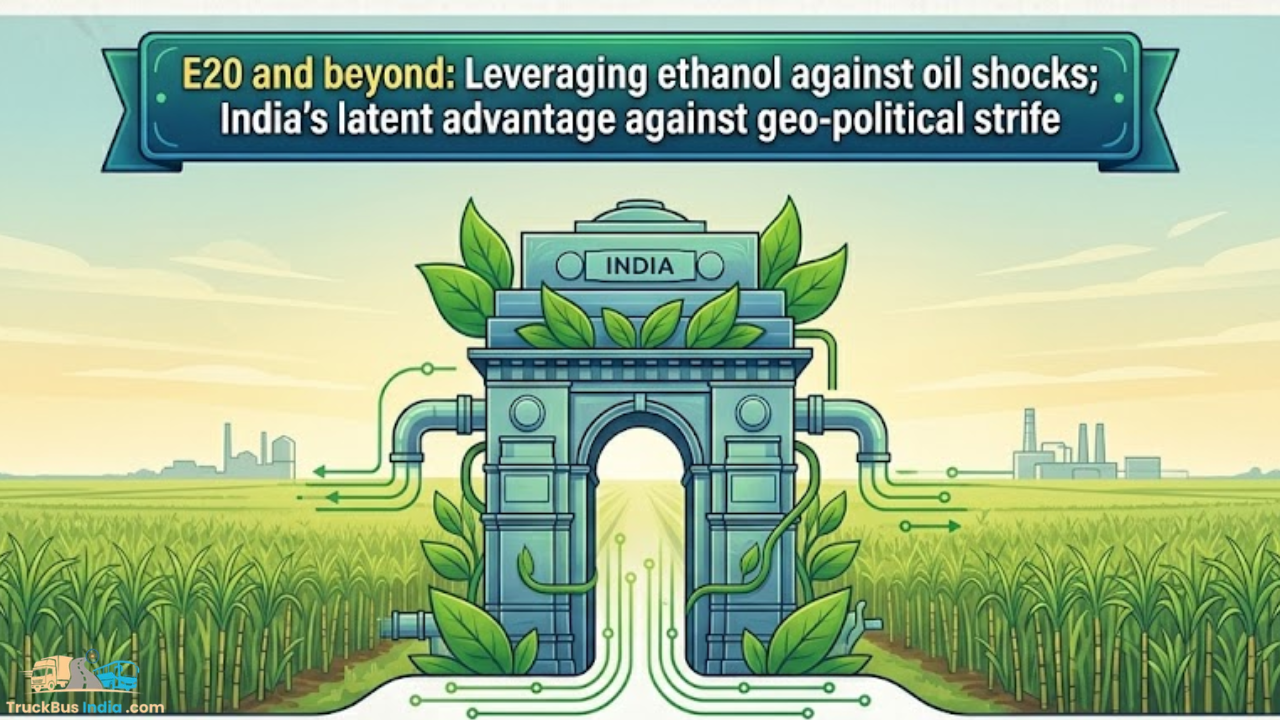
India has marked a major milestone in its energy transition with the nationwide rollout of E20 petrol, a fuel blended with 20% ethanol. Effective April 1, 2026, all petrol pumps are mandated to supply this cleaner fuel, aimed at reducing crude imports, supporting farmers, and improving air quality across the country.
The Ministry of Petroleum and Natural Gas has issued clear directives requiring oil companies to adhere to Bureau of Indian Standards specifications for E20 petrol, ensuring a minimum Research Octane Number (RON) of 95. This move represents a significant step toward cleaner mobility while strengthening India’s energy security amid global crude market volatility.
Ethanol Blended Petrol Programme: A Decade of Progress
The Ethanol Blended Petrol (EBP) Programme began with pilot projects in 2001 and became a nationwide initiative in 2003. Renewed policy momentum since 2014 has delivered substantial results:
- Over Rs. 1,50,925 crore paid to farmers under the Ethanol Supply Year (ESY) 2014-15 to February 2026.
- Foreign exchange savings exceeding Rs. 1,70,560 crore.
- Net CO2 reduction of approximately 869 lakh metric tonnes.
- Substitution of more than 289 lakh metric tonnes of crude oil.
Several measures have driven ethanol production to meet 20% blending, including expanding feedstock, setting administered ethanol prices, lowering GST to 5%, offering interest subvention schemes, converting sugarcane-based distilleries to multi-feedstock plants, and signing 233 Long Term Offtake Agreements with oil marketing companies.
Advanced Biofuels and PM JI-VAN Scheme
The government has broadened the scope of biofuel support through the PM JI-VAN Yojana, providing financial aid for Advanced Biofuels projects using lignocellulosic biomass. Plans include:
- 12 commercial advanced biofuel projects.
- 10 demonstration-scale projects to encourage indigenization of novel ethanol technologies.
Indian Oil Corporation Limited has already established a 3G ethanol plant in Panipat, Haryana, with 128 kilo litres per day capacity, using refinery off-gas as feedstock.
Achieving the 20% Target Ahead of Schedule
India’s National Policy on Biofuels (2018, amended 2022) initially set the 20% blending target for 2030. Concerted efforts enabled the country to achieve this in December 2025, increasing ethanol blending from 38 crore litres in ESY 2013-14 to over 1000 crore litres in ESY 2024-25.
The move also strengthens India’s energy independence, reducing reliance on crude imports which currently meet around 90% of domestic demand.
Global Impact and Feedstock Shift
India’s ethanol programme is setting global benchmarks:
- Nepal is introducing 10% ethanol blending in petrol, inspired by India’s example.
- Argentina allows up to 15% ethanol blending to cushion fuel costs amid global oil price shocks.
- United States has temporarily approved E15 gasoline to expand domestic supply options.
A notable structural shift in India is maize emerging as the largest ethanol feedstock in ESY 2024-25, contributing nearly 50% of total supply. This reduces dependence on sugarcane, ensures long-term sustainability, and strengthens the biofuel programme’s resilience.
Challenges and Way Forward
While surplus ethanol capacity presents opportunities, underutilization has created financial pressure for sugar mills and distilleries, delaying payments to farmers. To maintain momentum, the industry calls for:
- Higher blending targets like E22, E25, and E30.
- Flex-Fuel Vehicle mandates.
- Incentivised ethanol infrastructure at retail outlets.
- Rational pricing and long-term procurement contracts.
India’s experience proves that scalable, renewable solutions can address global fuel challenges while supporting local agriculture and reducing environmental impact.