
News List
Women Lead India’s Electric Freight Transition Dialogue

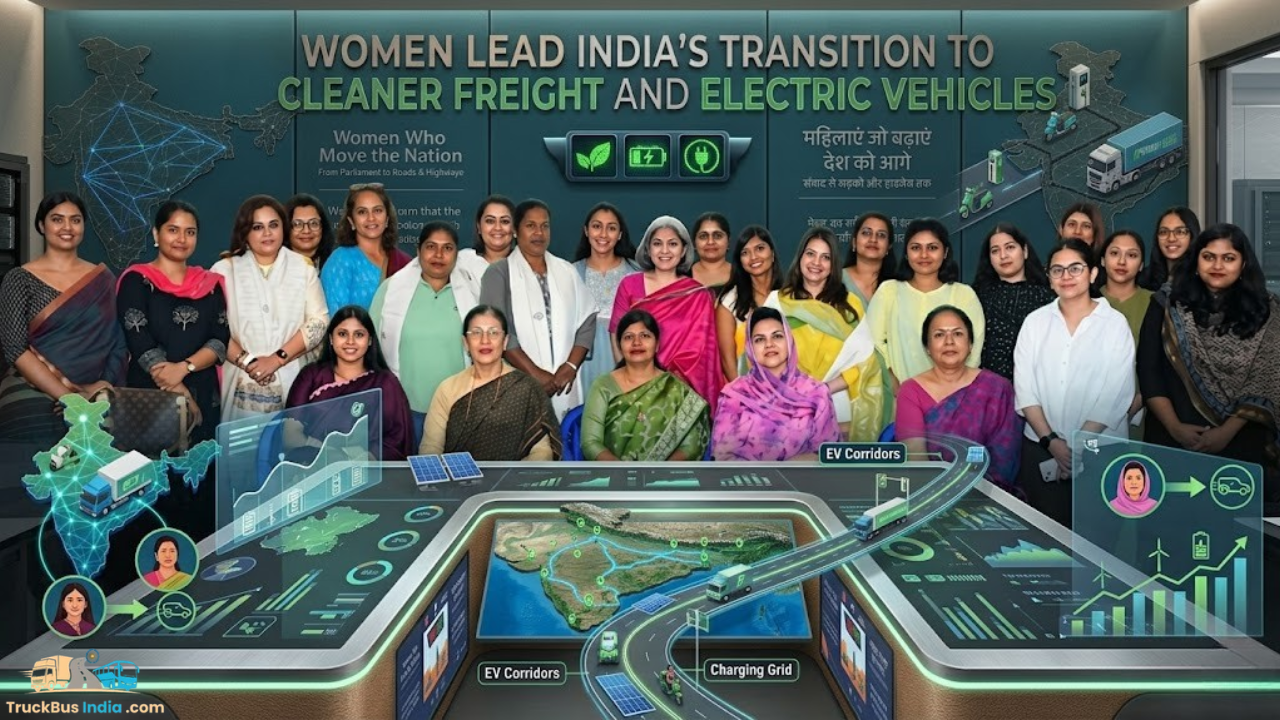
India’s transition toward cleaner freight is gaining a new dimension, with women emerging as key contributors in the electric vehicle ecosystem. A recent multi-stakeholder dialogue brought together women parliamentarians, truck drivers, and fleet operators to explore how women can lead the shift toward zero-emission trucks.
The discussion focused on real-world experiences, leadership opportunities, and the need to build a more inclusive freight sector as India accelerates its EV transition.
Women lead India’s freight electrification shift
The dialogue on freight electrification highlighted how women are increasingly shaping the future of India’s trucking industry. As the country moves toward zero-emission trucks, women are stepping into roles across operations, fleet management, and policy influence.
India’s truck market is expected to grow rapidly alongside economic expansion. This growth opens up significant employment opportunities, especially as cleaner technologies become central to logistics. Projections suggest that by 2050, zero-emission trucks could account for over 21 percent of the 30 million jobs in the sector.
Greater participation of women across the value chain can play a key role in reducing gender disparities while strengthening the workforce.
Policy support key to gender inclusive EV ecosystem
Discussions during the event underscored the importance of creating a safe and supportive environment for women in the EV ecosystem. Policymakers encouraged collaborative efforts to ensure that infrastructure and workplace systems are inclusive.
Current estimates show that women’s participation in India’s EV workforce stands between 11 and 15 percent, indicating early but meaningful progress. Experts stressed that deliberate policy decisions, shaped by voices within the green economy, are essential to achieving long-term gender balance.
There was also a strong emphasis on ensuring that women are included not just as participants but as decision-makers in shaping the future of freight electrification.
Challenges remain in freight workforce participation
While progress is visible, several barriers continue to limit women’s participation in the freight sector. Infrastructure gaps remain a major concern, with the need for safer parking areas, better surveillance systems, and improved working conditions.
Many women drivers prefer operating on local routes, allowing them to balance professional responsibilities with caregiving roles. These practical challenges highlight the need for targeted interventions to make the sector more accessible.
Participants also pointed out that societal perceptions and lack of visibility continue to affect women’s entry and growth in the industry.
Industry voices highlight real change on ground
Voices from the industry reflected how women are already contributing to transformation within freight and logistics. From managing fleets to influencing business decisions, their role is steadily expanding.
Speakers highlighted that electric vehicles offer a unique opportunity to rethink traditional systems. With the right support from government, industry, and communities, the transition can be designed to be more inclusive from the outset.
There was a clear consensus that increasing visibility and representation of women will help build trust and encourage wider participation in the sector.
Building inclusive future through collaboration
The conversation reinforced that India’s clean freight transition is not just about technology but also about people. Collaboration across sectors will be critical to ensuring that the benefits of electrification are shared equally.
Efforts must focus on infrastructure development, policy alignment, and cultural change to create a truly inclusive ecosystem. As more women enter the sector, they are expected to play a vital role in shaping sustainable and efficient logistics systems.