
News List
Gender-Inclusive Freight Electrification Gains Momentum In India

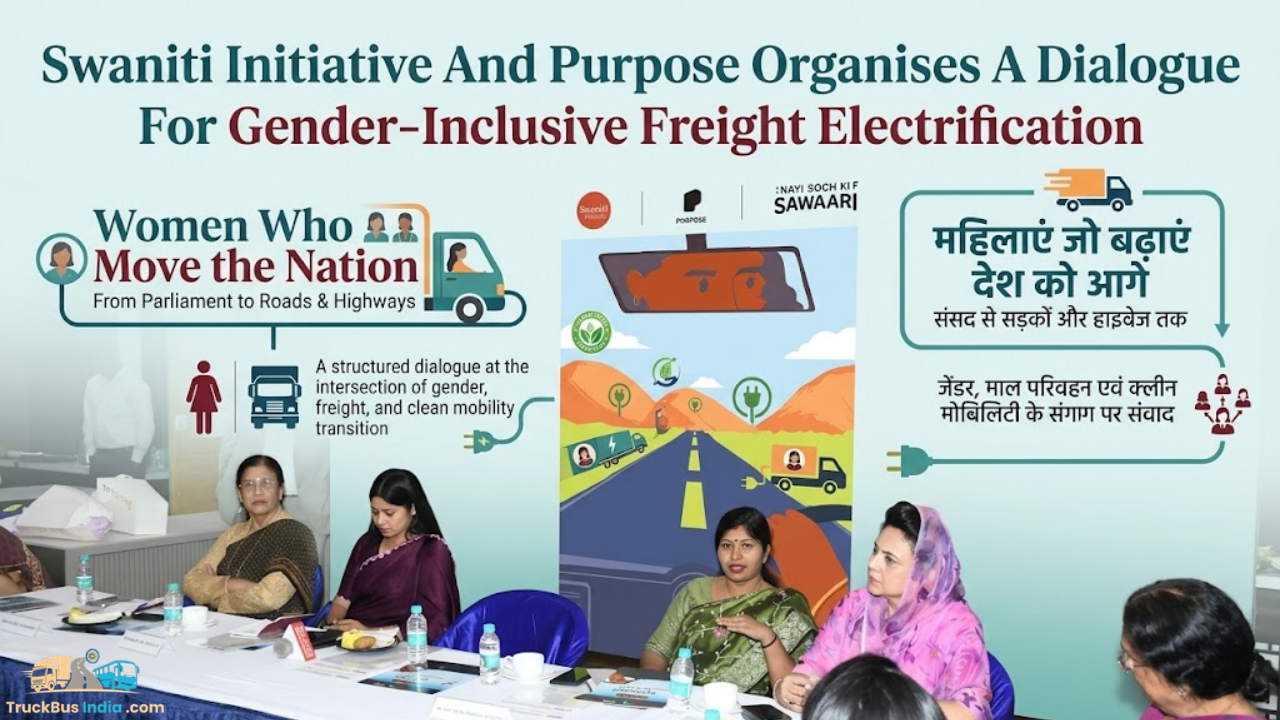
India’s transition to cleaner transport is now being shaped by a strong push for inclusion, as a high-level dialogue spotlighted the role of women in the evolving electric freight ecosystem. Organised by Swaniti Initiative and Purpose, the discussion brought together women parliamentarians, truck drivers, and fleet operators to explore how gender inclusion can drive the shift to zero-emission transport.
The conversation highlighted both opportunities and on-ground realities, reinforcing that India’s electric freight future must be built with equal participation.
Gender-inclusive freight electrification takes centre stage
The dialogue on gender-inclusive freight electrification focused on empowering women to lead the transition toward cleaner logistics. Participants shared real-world experiences, demonstrating how women are already contributing across the freight value chain.
From managing fleets to influencing policy decisions, women are playing an active role in shaping the sector. The discussion emphasised the need to create a safe, supportive, and enabling environment within the growing electric vehicle ecosystem.
Policymakers also encouraged stakeholders to actively work toward building inclusive systems that allow women to participate and grow in this space.
Zero-emission trucks to reshape India’s trucking workforce
India’s rapidly expanding truck market presents a major opportunity to redefine employment through cleaner technologies. As economic activity accelerates, zero-emission trucks are expected to significantly transform the sector.
Estimates suggest that such vehicles could account for over 21 percent of the 30 million jobs projected in the trucking industry by 2050. This shift is not only about sustainability but also about reducing gender gaps by opening new employment avenues for women.
Increased participation across roles such as driving, operations, and logistics management can help build a more balanced workforce.
Electric freight transition improving livelihoods and dignity
Voices from the ground reflected how electric mobility is already making a difference. Women operators highlighted that working with electric vehicles has improved their income while also enhancing their sense of respect and recognition.
The transition to electric commercial vehicles is being seen as more than just a technological upgrade. It is emerging as a pathway to social change, offering women greater visibility and opportunities in traditionally male-dominated roles.
Policy support and infrastructure remain critical
Experts at the dialogue underlined that while progress has begun, sustained policy support is essential to ensure long-term gender inclusion. Women’s participation in India’s EV workforce currently stands between 11 and 15 percent, indicating early but promising momentum.
However, several challenges still persist. These include the need for better infrastructure such as secure parking spaces, CCTV surveillance, and improved working conditions. Many women drivers also prefer local routes to balance professional responsibilities with caregiving duties.
Addressing these concerns through targeted policy measures and infrastructure upgrades will be key to scaling participation.
Women leaders call for collaborative action
Women parliamentarians at the event stressed that electric mobility offers a rare opportunity to rethink systems from the ground up. They highlighted the importance of collaboration between government, industry, and communities to ensure inclusive decision-making.
There was a strong call to design policies and infrastructure through a gender lens, ensuring that women are not just participants but key decision-makers in the transition.
Speakers also emphasised the need to change societal mindsets, increase visibility of women in the sector, and build trust to make freight and logistics more inclusive.
Women already driving change in freight sector
The discussion concluded with a clear message that women are not waiting for change but are already leading it. From operating vehicles to managing logistics businesses and influencing regulations, their presence is steadily growing.
While India’s transition to clean freight does not follow a single path, one common factor remains clear: meaningful participation of women is essential. The future of freight will depend not just on technology, but on how inclusive and equitable the ecosystem becomes.