
News List
India’s Coal Backbone Holds Firm Amid Global Gas Disruptions

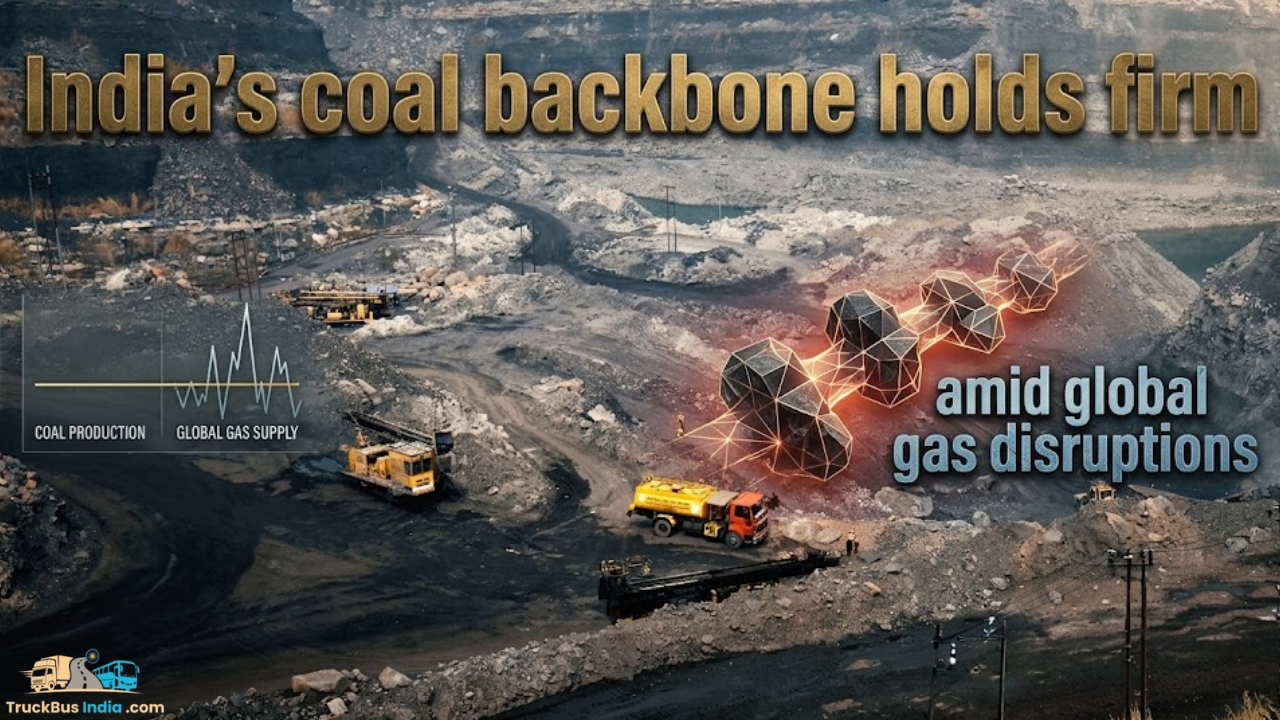
India’s energy ecosystem is facing early stress due to geopolitical tensions in West Asia, affecting global fuel supply chains. Despite these challenges, the government maintains that India’s energy security remains robust, with coal emerging as a critical fallback option to safeguard industrial and power generation needs.
Geopolitical Tensions Impact Gas Supply
Ongoing conflicts in West Asia have disrupted energy flows through strategic routes like the Strait of Hormuz, a key channel for India’s crude oil, gas, and fertiliser imports. Industrial sectors dependent on CNG and LPG are experiencing localized shortages, prompting many to turn to alternative fuels, including domestic coal. India imports nearly 45–50% of its natural gas requirement as LNG, leaving industrial consumers particularly sensitive to global supply disruptions.
The government has highlighted strengthened energy resilience through diversified import sources, expanded strategic reserves, and improved supply chain preparedness. Gas-based power capacity remains underutilised at below 25% PLF, while coal and renewables continue to dominate India’s power generation mix.
Coal Demand Rises Amid LNG Shortages
India’s coal consumption has steadily increased, surpassing 1.25 billion tonnes annually, primarily driven by the power, cement, sponge iron, and captive industrial sectors. Tightening supply–demand dynamics are reflected in Coal India’s e-auction premiums, which rose to around 35% over notified prices in February 2026.
The uptick is fueled by substitution from gas amid LNG disruptions, seasonal power demand increases, and reduced imports, prompting greater reliance on domestic coal. However, structural and technological limitations restrict coal’s substitution potential in industrial applications such as fertilisers and chemicals.
Industry Perspective
Vinaya Varma, MD & CEO of mjunction services limited, commented, “We are witnessing an early but clear shift in fuel consumption patterns. As LNG availability tightens and CNG/LPG supplies face disruption, buyers are increasingly turning to coal to secure operational continuity. Coal will continue to play a critical role in India’s energy security, especially during global uncertainties.”
Market Outlook
Despite the tightening demand signals, the situation remains measured. About 47% of auction volumes have been sold this year, with premiums below historical peaks. Current coal stocks at power plants stand at 18–20 days of consumption, preventing panic buying and maintaining overall market balance.
Conclusion
India’s reliance on coal is reinforcing its energy security amid global gas disruptions. While the industrial sector faces challenges due to constrained LNG, CNG, and LPG supplies, domestic coal availability ensures operational continuity and stability in the power and industrial sectors.