
News List
Petrol Prices Explained 2026: Taxes, Costs, and Iran War Impact

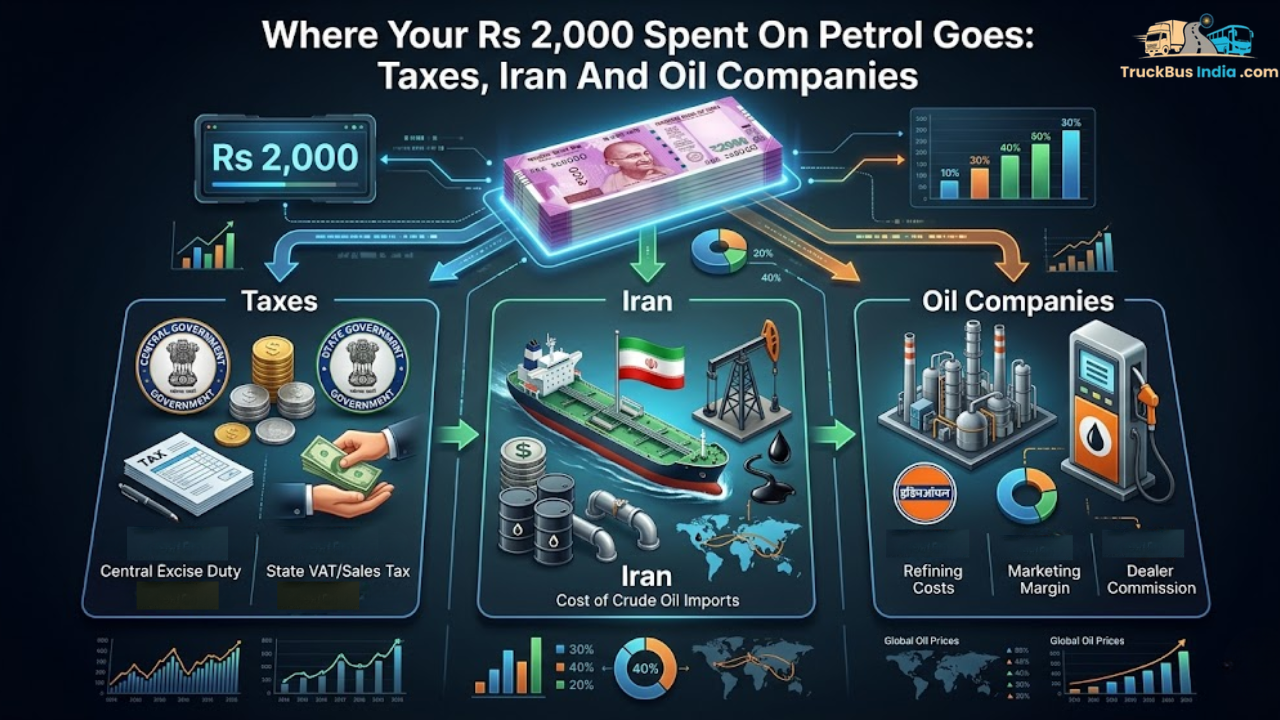
Raj filled his Maruti Wagon R with petrol for Rs 2,000 and noticed the digital display showing petrol dispensed and cost. The price per litre varied across cities:
- Delhi: Rs 94.77
- Chennai: Rs 101.06
- Bengaluru: Rs 102.96
- Mumbai: Rs 103.54
- Kolkata: Rs 105.41
- Hyderabad: Rs 107.50
At Rs 94.77 per litre in Delhi, Raj received 21.1 litres. He began to wonder how much of this price went to the petrol itself, the government, and taxes, and how the Iran war affected prices in India.
Breaking Down the Cost of Petrol
The per litre price of petrol includes:
- Cost of importing, refining, and transporting crude oil
- Central excise duty
- State taxes
- Dealer commission
Prices vary by city and retailer, and government decisions can affect how much of global price hikes are absorbed.
Central Excise Duty Reduction
On March 27, 2026, the central government cut excise duty on petrol from Rs 21.90 to Rs 11.90 per litre and diesel from Rs 17.80 to Rs 7.80.
Breakdown of central taxes on petrol:
- Basic Excise Duty: Rs 1.4
- Special Additional Excise Duty: Rs 3 (reduced from Rs 13)
- Agriculture Infrastructure & Development Cess: Rs 2.5
- Additional Excise Duty (Road & Infrastructure Cess): Rs 5
Breakdown of central taxes on diesel:
- Basic Excise Duty: Rs 1.8
- Special Additional Excise Duty: Rs 0 (reduced from Rs 10)
- Agriculture Infrastructure & Development Cess: Rs 4
- Additional Excise Duty (Road & Infrastructure Cess): Rs 2
Central excise on petrol and diesel has gradually reduced since May 2020.
Why Prices Did Not Drop
Despite the excise duty cut, petrol still cost Rs 94.77 per litre. The reduction was meant to help oil marketing companies offset rising crude prices due to the war in Iran.
Crude Oil Prices Surge
- Feb 28, 2026: US$68.13 per barrel
- A week later: US$81.38 per barrel
- March 7, 2026: US$100 per barrel
- India’s crude basket: US$69.01 in February to US$123.15 on March 24
This caused oil marketing companies to spend up to 78.45% more on crude, leading to estimated per litre losses of Rs 48.8. Tax reductions helped offset some of these losses.
State Taxes and Regional Variation
State governments add sales tax or VAT to petrol and diesel. This explains price differences between cities. For example, Delhi petrol is Rs 94.77, but Jaipur could charge Rs 104.72.
State taxes can fluctuate based on:
- Alignment with central tax cuts
- Political considerations before elections
- Impact on local revenue
Petrol typically attracts higher taxes than diesel because diesel is widely used in public transport, freight, and agriculture.
Dealer Commission
Dealer commission usually ranges from Rs 2.5 to Rs 4.5 per litre. It covers:
- Dealer profit
- Staff wages
- Station and equipment maintenance
- Other overheads
This component is capped and periodically reviewed by OMCs. Location and negotiated margins can cause minor variations.
Global Impact: Iran War
The war in Iran has pushed Brent crude prices to a nearly four-year high, increasing costs worldwide.
- US fuel prices rose 15-25%
- European fuel prices increased similarly
- Southeast Asia, including the Philippines, declared energy emergencies
India relies on the Hormuz Strait for 40-50% of crude imports. Despite worries, the government has ensured 60 days of oil stock cover and 30 days of LPG supply.
Key Takeaways
- Petrol prices include crude cost, central and state taxes, and dealer commission
- Excise duty cuts do not always reduce retail prices if crude costs rise
- Regional variations are due to state taxes
- International conflicts like the Iran war can drive global fuel prices up