
News List
FASTag New Rules 2026: What Drivers Must Know

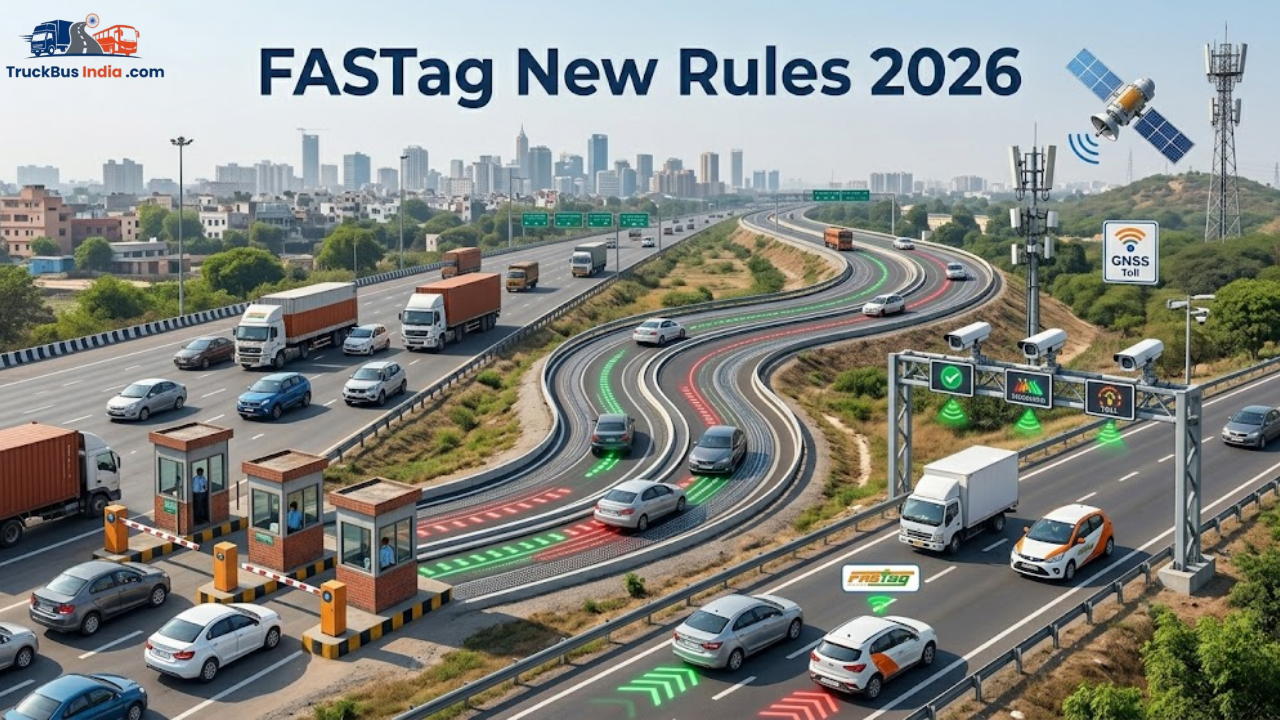
Starting March 17, 2026, FASTag usage is mandatory for all vehicles on India’s national highways. Missing a FASTag is no longer a minor oversight. It now comes with double toll penalties and stricter enforcement. The government aims to make highway travel faster, cashless, and more efficient, but drivers must stay informed to avoid unnecessary costs.
Mandatory FASTag Usage: No Tag, Double Toll
If you pass through a FASTag-only lane without a valid tag, you will be charged double the toll. This policy discourages cash payments and emphasizes digital tolling.
Keep Your FASTag Active
Even if you have a FASTag, failing to maintain a sufficient balance can trigger double toll charges. The system now sends alerts via SMS, email, and mobile apps, ensuring drivers are informed in real-time.
VAHAN Integration: Smarter Tolling
FASTag is now linked with the VAHAN database, which stores vehicle registration details. This ensures that every FASTag corresponds to the correct vehicle, reducing the risk of fraud and duplication.
No More Routine KYV Checks
Routine Know Your Vehicle (KYV) checks are removed for most private vehicles. Verification now occurs using VAHAN or RC details during activation. This speeds up the process and reduces delays.
Digital Enforcement: Barrier-Free Tolling
The government is moving toward barrier-free toll plazas with automated notices for unpaid tolls. Repeated violations trigger penalties. This helps reduce revenue loss and modernizes highways.
Benefits for Compliant Drivers
Drivers who follow rules enjoy faster travel, shorter queues, and a more predictable toll experience. Non-compliance can result in significant costs.
Key Takeaways for Drivers
- Always keep FASTag active.
- Maintain a sufficient balance to avoid double tolls.
- Verify your vehicle details carefully before activation.
Final Thoughts
The FASTag New Rules 2026 mark a major step toward fully digital toll collection in India. Mandatory usage, double toll penalties, VAHAN integration, and barrier-free enforcement make the system efficient, fair, and transparent. Staying informed is now not just convenient. It is essential.