
News List
New B2B Marketplaces Reshape Procurement in Construction and Infrastructure

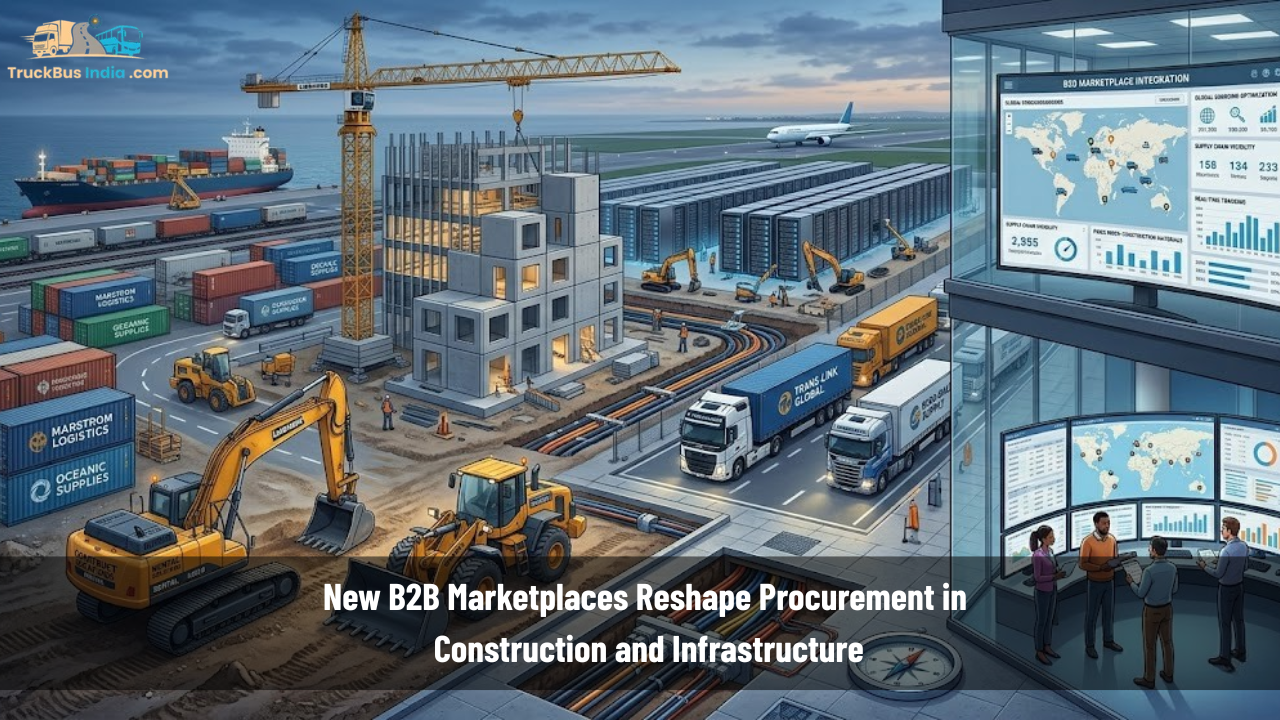
A new wave of B2B marketplaces is emerging across construction materials, equipment rental, and data centre infrastructure sectors, aiming to digitise procurement processes that have traditionally relied on offline networks. These platforms are being launched or expanded in early 2026, particularly in the United States, as industries face rising cost pressures, supply constraints, and increasing project complexity.
The shift marks a broader transformation in industrial sourcing, where phone-based transactions, spreadsheets, and local relationships are gradually being replaced by digital procurement systems that offer greater transparency and efficiency.
Construction Sector Moves Toward Digital Sourcing Platforms
The construction materials segment is witnessing the rise of marketplaces designed to improve transparency in sourcing and pricing. These platforms aim to streamline procurement for contractors and suppliers through centralized digital systems.
Companies such as MatBook are focusing on bulk materials like aggregates and concrete inputs, offering real-time pricing and supplier comparisons. Kojo, originally a procurement software provider, is expanding into direct supplier connections, while ProjectMark is building a bid-based marketplace model for project-specific sourcing.
Together, these platforms are reducing dependency on fragmented offline networks and enabling more structured procurement across regions.
Equipment Rental Market Adopts Aggregated Digital Models
The equipment rental industry is also shifting toward marketplace-based models as contractors increasingly prefer renting over owning machinery. Digital platforms are consolidating inventory from multiple providers to improve access and pricing visibility.
Platforms such as DOZR and Kwipped allow users to compare equipment availability, pricing, and delivery options through unified interfaces. EquipmentShare is further expanding its hybrid model by integrating fleet management and procurement tools into a broader digital ecosystem.
This evolution is creating a more centralized sourcing structure where equipment access is managed through digital platforms rather than local intermediaries.
Data Center Infrastructure Procurement Gains Momentum
A third emerging marketplace segment is focused on data center infrastructure, driven by the rapid expansion of artificial intelligence and cloud computing demand. These platforms are targeting highly specialized sourcing needs, including power systems, cooling solutions, and modular infrastructure components.
Early platforms such as Start Campus Marketplace and HyperScale Hub are connecting developers with suppliers for high-density computing infrastructure. At the same time, DCKAP Integrator Marketplace is expanding supplier network capabilities to support complex integration requirements.
This trend is laying the foundation for a structured digital sourcing layer in a highly technical and rapidly growing industry.
Impact on B2B Supply Chains and Distributors
The rise of B2B marketplaces is reshaping supply chain dynamics by increasing transparency, improving price discovery, and reducing reliance on traditional intermediaries. While this creates competitive pressure for distributors, it also opens new digital sales channels.
These platforms aggregate demand and provide buyers with better visibility into inventory and pricing, which could significantly reduce inefficiencies in procurement. At the same time, suppliers are gaining access to wider customer bases without needing to build standalone ecommerce systems.
Future of Digital Procurement in Industrial Markets
As these marketplaces scale, they are expected to prioritise real-time inventory tracking, standardised product data, and faster quotation systems. These improvements are critical in industries where procurement speed and accuracy directly impact project timelines and costs.
The ongoing shift suggests that industrial procurement is moving toward a more structured and data-driven ecosystem, where digital platforms play a central role in connecting buyers and suppliers across construction, equipment, and infrastructure sectors.