
News List
IndianOil Raises XP95 Price Amid Crude Oil Surge

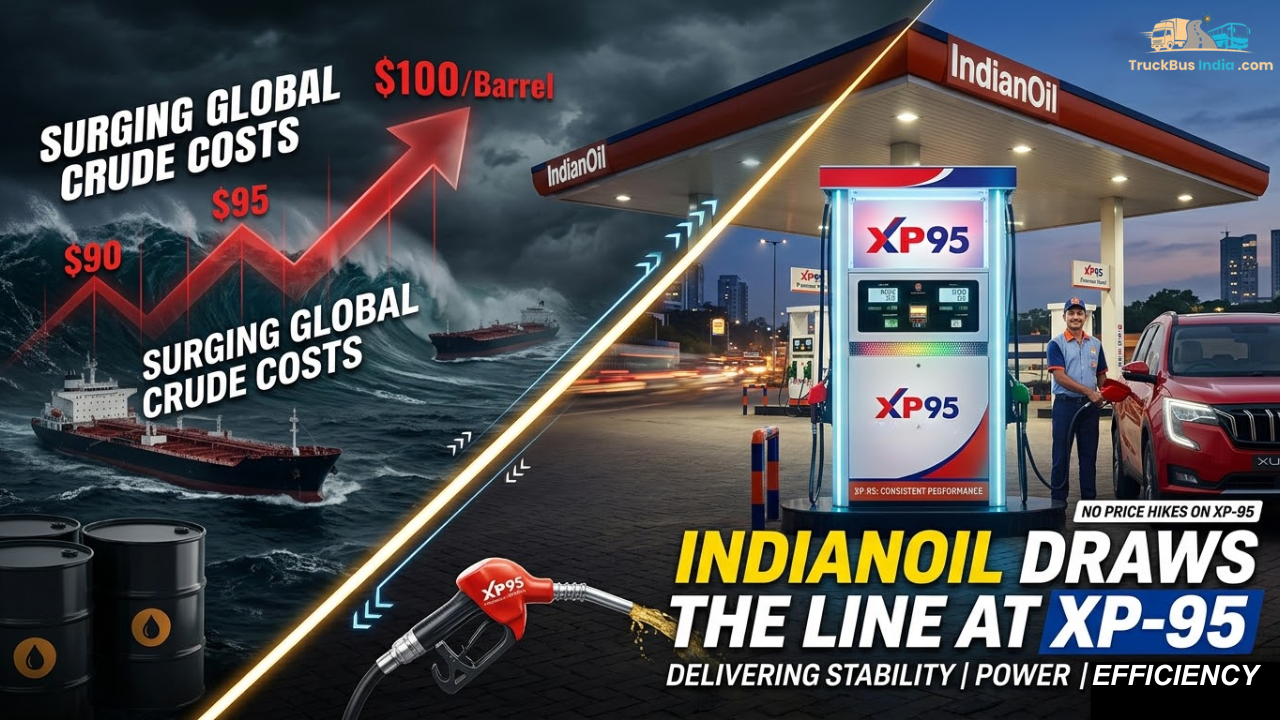
India’s fuel pricing strategy is under pressure as global crude oil prices continue to rise sharply. In a selective move, Indian Oil Corporation has increased the price of its premium petrol variant XP-95, while keeping regular petrol and diesel prices unchanged.
This decision comes at a time when international crude prices have surged significantly, impacting fuel markets worldwide. However, the limited share of premium fuel in total consumption has allowed the company to avoid a broader price hike.
IndianOil XP95 Price Hike and Fuel Strategy
Indian Oil Corporation has raised XP-95 petrol prices by ₹2 per litre. This premium fuel variant accounts for nearly 5 percent of total petrol sales in India, which restricts the overall impact on consumers.
Regular petrol and diesel prices continue to remain stable, offering relief to the majority of users. This approach reflects a targeted pricing strategy to balance rising costs without disturbing mass-market fuel consumption.
Limited Impact of XP95 Price Hike
Since XP-95 is used by a smaller segment of consumers, the price revision does not significantly affect overall fuel expenses across the country. Most vehicles continue to rely on standard petrol and diesel.
Focus on Consumer Protection
By avoiding a hike in widely used fuels, IndianOil is attempting to shield households and businesses from immediate cost increases despite global pressures.
Global Crude Oil Surge and Market Impact
The decision comes amid a sharp increase in global crude oil prices. Over the past 20 days, crude prices have jumped from 71 dollars to 156 dollars per barrel, marking a rise of around 120 percent.
This surge has already led to fuel price increases in several countries, especially across Asia, Europe, and Africa.
International Fuel Price Trends
Many fuel-importing nations have raised retail prices in response to rising crude costs. Some governments have also introduced subsidies to manage inflation and public impact.
Pressure on Oil Marketing Companies
The ongoing crude oil surge is placing financial strain on oil marketing companies in India, as they continue to absorb costs without passing them fully to consumers.
Why Petrol Diesel Prices Remain Unchanged
Despite the sharp rise in crude oil prices, petrol diesel prices in India have not been revised for the general market.
One key reason is the timing. With multiple state elections scheduled in April, fuel price hikes can directly affect cost of living and public sentiment.
Role of Election Sensitivity
Fuel prices have historically been a sensitive issue during election periods. Governments and companies tend to avoid major hikes that could impact voters.
Controlled Pricing Mechanism in India
Fuel prices in India are not directly linked to daily global crude fluctuations. Oil companies revise rates periodically in coordination with the central government, allowing temporary cost absorption.
Export Dependence and India’s Oil Vulnerability
India remains one of the largest consumers of crude oil globally and imports nearly 85 percent of its requirements. This makes the country highly sensitive to international price changes.
IndianOil, being the largest fuel retailer, plays a crucial role in managing supply and pricing stability.
Impact on Economy and Logistics
Rising crude prices influence transportation costs, agricultural expenses, and overall inflation. Fuel pricing decisions therefore have a wide economic impact.
Uncertainty Around Future Price Revisions
IndianOil has not indicated whether further price hikes will be introduced. Future decisions will depend on how long global crude prices remain elevated.
Conclusion
The IndianOil XP95 price hike reflects a cautious approach in response to rising global crude oil prices. By increasing only premium petrol rates and keeping petrol diesel prices unchanged, the company has attempted to balance cost pressures with consumer relief.
As global markets remain volatile, the coming weeks will be crucial in determining whether broader fuel price revisions become necessary in India.