
News List
Commercial Vehicle Industry: Registrations, Electrification, and Market Trends

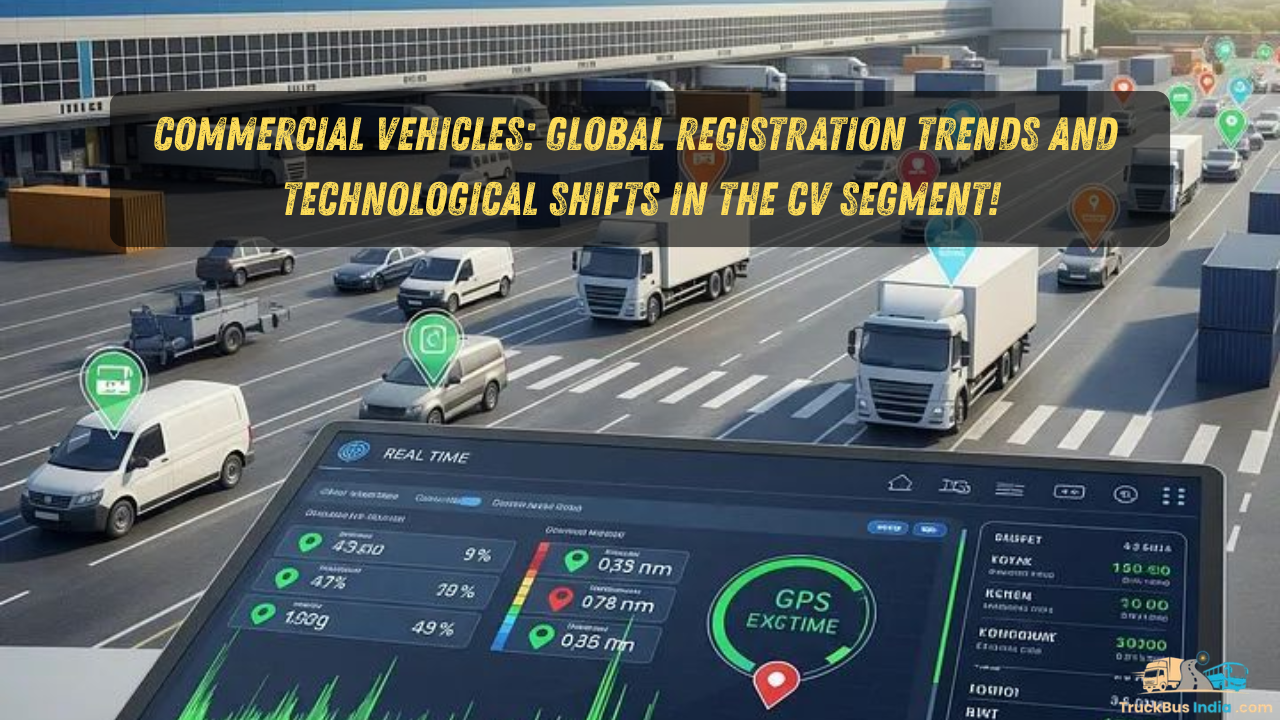
The commercial vehicle sector is a critical reflection of global economic activity. Trucks, buses, and vans not only move goods and people but also form the operational backbone of trade and logistics worldwide. While registrations of these vehicles have slowed in recent months, the electrification wave is reshaping the industry, pushing fleet operators, manufacturers, and policymakers to rethink their strategies. This period represents both a cyclical slowdown and a long-term transformation toward sustainable mobility.
Understanding Registration Declines
Across Europe and other major markets, commercial vehicle registrations are down sharply. Vans saw a 13.2 percent drop, trucks fell by 15.4 percent, and bus registrations declined by 4.4 percent in the first half of 2025. These figures do not merely indicate falling demand. Operators are delaying purchases due to higher interest rates and inflated operating costs, including fuel, insurance, and labor. Geopolitical tensions, trade disruptions, and slower economic growth have further reduced the need for new fleets. In public transport, budgetary limitations have slowed bus procurement. The result is a market adjusting to both economic pressures and technological shifts rather than a permanent decline in commercial vehicle relevance.
Electrification Gains Momentum
Even as overall registrations shrink, electric commercial vehicles are steadily expanding their share. Electric vans now account for nearly 10 percent of new sales in Europe, and more than one in five buses sold are electric. Although heavy-duty electric trucks are still emerging, they are gaining traction on specific routes where regulations and corporate sustainability targets encourage adoption. Incentives, emission zones, and municipal programs are accelerating the adoption of zero-emission fleets. The shift is not only technological but also behavioral, as operators increasingly treat electric vehicles as a viable solution rather than a niche alternative.
OEM Approaches to Transformation
Original equipment manufacturers are balancing declining conventional sales with growing pressure to electrify. Companies like Volkswagen’s Traton, which includes Scania and MAN, are seeing a surge in EV orders despite an overall dip in deliveries. Daimler Truck is investing in both battery-electric and hydrogen solutions, while Volvo is expanding partnerships for charging infrastructure. Meanwhile, Chinese players such as BYD and SAIC are aggressively entering global markets with competitive electric buses and trucks. OEMs are focused on cost control, streamlined production, and long-term investments in zero-emission technologies. The industry’s future depends on managing this balance between short-term challenges and structural transformation.
Infrastructure Challenges
Electrification faces a critical bottleneck in charging infrastructure. Heavy trucks and buses require high-capacity, fast-charging solutions, including megawatt charging systems, to minimize downtime. Vans can often charge overnight at depots, but widespread adoption of larger vehicles demands grid upgrades and planning. Bus depots must be redesigned to accommodate charging schedules, creating operational and financial challenges. Without robust infrastructure, the growth of electric fleets risks being constrained even if vehicles and demand are ready.
Market Outlook: Immediate Challenges, Long-Term Opportunities
Global forecasts indicate a slight contraction in heavy-duty commercial vehicle sales in 2025, around 1.4 percent. However, structural demand remains robust. Replacement cycles in aging fleets, stricter emissions regulations in developed markets, and sustainability commitments by corporations suggest strong future growth for zero-emission vehicles. The pace will vary: advanced economies are accelerating electrification, while emerging markets adopt a gradual approach, balancing costs with environmental goals.
A Transformative Road Ahead
The commercial vehicle industry is transitioning from diesel dominance and incremental innovation to a future defined by electric propulsion, digital integration, and smarter fleet operations. Electric vans are increasingly standard for urban logistics, electric buses are reshaping public transport networks, and trucks are finding practical niches as charging infrastructure evolves. Policymakers, utilities, and OEMs must coordinate to ensure a smooth transition. The next few years will be uneven across markets, but the trajectory is clear: commercial vehicles will become cleaner, smarter, and more integral to sustainable global mobility.