
News List
MRPL Shuts Refinery Units Amid Crude Oil Supply Disruptions

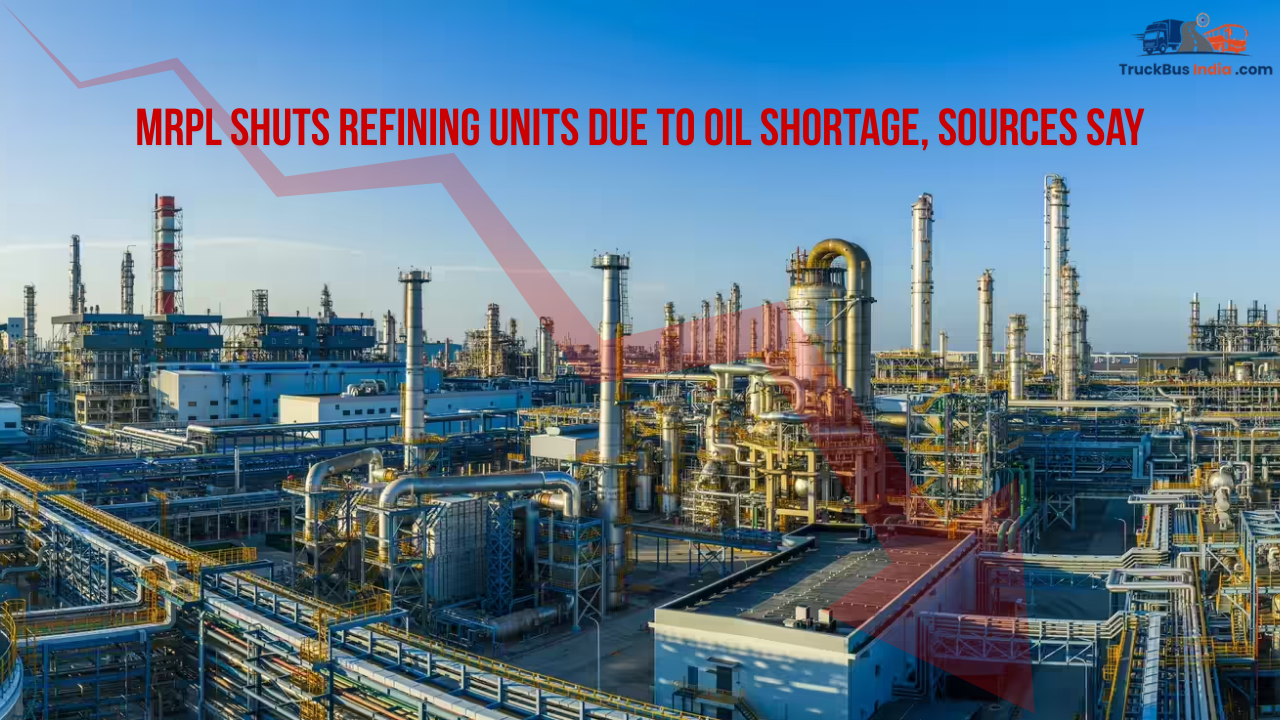
India’s Mangalore Refinery and Petrochemicals Ltd (MRPL) has temporarily shut down a crude processing unit and several secondary units at its refinery due to a shortage of crude oil supplies, according to industry sources.
The refinery, which has a total capacity of about 300,000 barrels per day, halted operations of a 100,000 barrel per day crude unit along with related processing facilities. The shutdown took place on Wednesday evening as the company struggled to secure adequate crude shipments.
The disruption comes amid growing geopolitical tensions affecting oil supply routes, particularly in the Strait of Hormuz. The narrow waterway is one of the world’s most critical energy corridors, handling nearly one fifth of global crude oil consumption.
Strait of Hormuz Tensions Impact Asian Refiners
Asian refiners have been facing difficulties in securing replacement crude cargoes after threats to shipping in the region disrupted normal supply flows. The tensions linked to the ongoing Israel–Iran conflict have increased uncertainty around oil shipments from the Middle East.
Several refiners across Asia have begun adjusting operations in response to the supply disruption. Some Chinese refiners have already reduced their processing runs due to difficulties in sourcing crude supplies.
MRPL, which operates its refinery in the southern Indian state of Karnataka, is particularly exposed to these disruptions because of its heavy dependence on Middle Eastern crude imports.
Dependence on Middle East Oil Adds Pressure
The company had stopped purchasing crude oil from Russia late last year and has since relied largely on supplies from the Middle East. With the current shipping disruptions affecting cargo availability, the refinery has faced challenges maintaining its normal processing levels.
Industry sources also indicated that MRPL has already suspended exports of refined fuels due to the ongoing conflict in the region. The shutdown of key processing units highlights the vulnerability of global refining operations to geopolitical tensions affecting energy supply routes.