News List
zingbus Deploys 50 Electric Buses, Targets 1,000 by-2030

zingbus Accelerates Intercity Electrification with 50 EV Buses in 2026
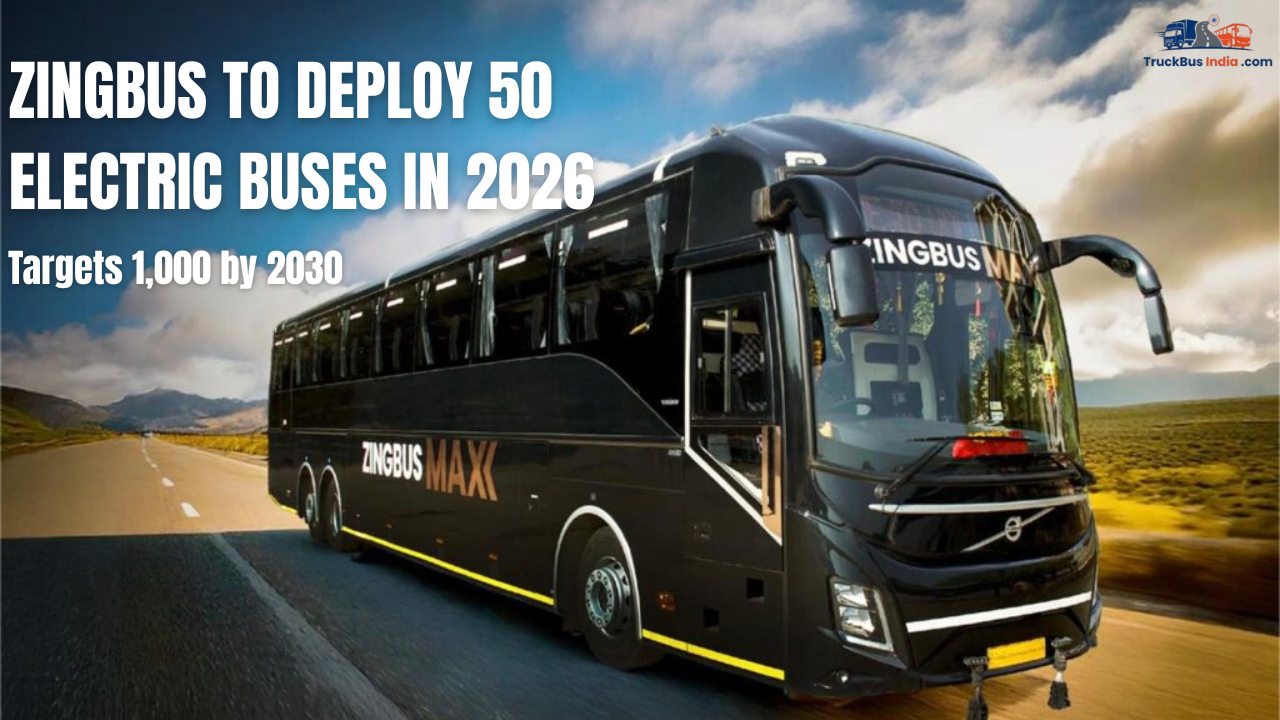
Intercity mobility player zingbus has set a clear course toward greener travel, announcing that it will deploy 50 electric buses across select routes in 2026, while committing to a much larger goal of operating 1,000 electric buses by 2030. The move signals one of the most ambitious electrification plans yet from a private intercity bus operator in India.
While several cities have rapidly adopted electric buses for urban transport, long-distance intercity travel has largely remained dependent on diesel fleets due to infrastructure, range, and operational challenges. zingbus’ decision to push into this space positions it as a pioneer in electrifying highway travel at scale.
Asset-Light Strategy with Drivn Partnership
To support the initial rollout, zingbus has partnered with Drivn, an electric vehicle leasing platform. Instead of purchasing buses outright, the company will lease the EVs, allowing it to expand its fleet without heavy upfront capital expenditure.
This asset-light approach is designed to give zingbus greater financial flexibility while it focuses on network growth, route planning, and customer experience. Company executives say the model also reduces risk as EV technology continues to evolve.
Focus on Comfort and Customer Experience
According to zingbus, early internal feedback from passengers who have already experienced electric buses has been largely positive. Customers have rated these buses higher in terms of comfort, citing smoother acceleration, quieter cabins, and reduced vibration compared to conventional diesel vehicles.
Prashant Kumar, CEO of zingbus, emphasised that electrification should not be limited to short urban commutes. He noted that intercity buses play a crucial role in connecting states, families, and economies, making their transition to cleaner energy even more impactful from an environmental standpoint.
Charging Infrastructure and Route Selection
The 50 electric buses will be deployed primarily on high-demand corridors where charging infrastructure is already in place or rapidly developing. zingbus has partnered with Jio BP to ensure reliable access to charging stations along these routes.
The company has indicated that it will prioritise operationally mature routes, where travel patterns, passenger demand, and turnaround times are well established. This will help minimise disruptions while the EV fleet is gradually integrated.
Maintaining Service Standards Amid Transition
Despite the shift to electric vehicles, zingbus has assured passengers that its service standards will remain unchanged. The EV buses will continue to offer onboard amenities, trained staff, live tracking, and round-the-clock customer support.
The company plans to adopt a phased approach, gradually replacing diesel buses on suitable routes rather than making an abrupt transition. This strategy is aimed at balancing sustainability goals with service reliability and cost efficiency.
A Broader Push Toward Clean Mobility
zingbus’ announcement comes at a time when India’s transport sector is facing increasing regulatory and public pressure to reduce emissions. The intercity bus industry serves millions of passengers annually, making its environmental footprint significant.
By setting a target of 1,000 electric buses by 2030, zingbus is signalling a long-term commitment to cleaner mobility, potentially setting a benchmark for other private operators in the sector.