
News List
LeafyBus to Deploy 100 Electric Sleeper Buses Nationwide

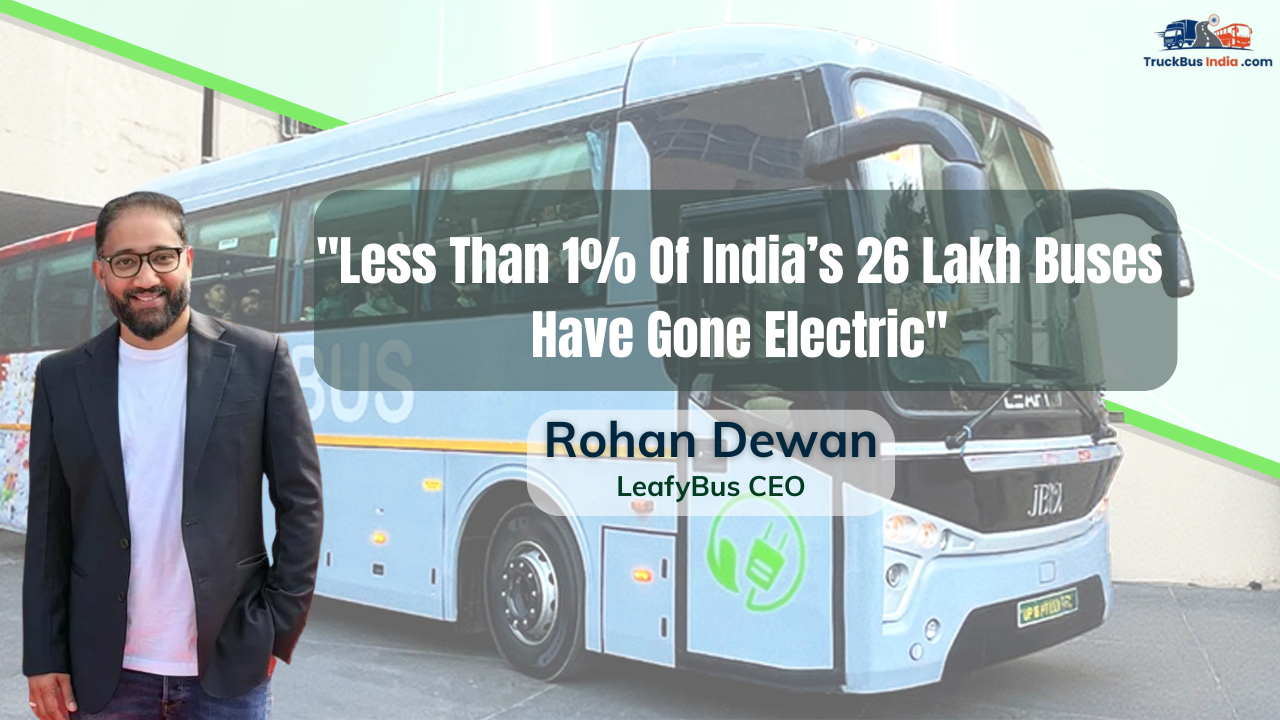
LeafyBus Bets Big on Electric Sleepers with 100-Bus Rollout
India’s intercity bus landscape is witnessing a quiet but significant shift toward electrification, and LeafyBus is positioning itself as one of the frontrunners in this transition. The company has unveiled an aggressive expansion plan to deploy 100 fully built electric sleeper buses in partnership with Volvo-Eicher, marking a strategic move toward safer, cleaner, and more scalable long-distance travel.
The initiative comes at a time when regulatory authorities are increasingly favouring fully built buses over body-built ones, especially after recent safety concerns and accidents. LeafyBus believes that the industry’s future lies in factory-built electric coaches that meet stringent safety and performance standards.
Partnership with Volvo-Eicher and Fleet Expansion
LeafyBus has placed an initial order for 36 electric sleeper buses in the current financial year, of which 14 have already been delivered. The remaining units are expected before March 31. Beyond this, the company has committed to a larger order of 100 buses, which will be rolled out over the next financial year.
While LeafyBus is in discussions with multiple OEMs, Volvo-Eicher remains its primary partner for now. The company plans to first deploy these buses across key corridors in northern India before gradually expanding to the southern states.
Route Expansion Across North and South India
Currently, LeafyBus’ electric sleeper buses are operational on high-demand routes such as Delhi-Jaipur, Delhi-Dehradun, Delhi-Agra, and Delhi-Lucknow. The company is now preparing to extend services to longer intercity routes, including Delhi-Katra and various destinations within Rajasthan like Udaipur, Jodhpur, and Hanumangarh. In Uttar Pradesh, routes such as Varanasi, Azamgarh, and Prayagraj are also being considered.
Over the next six months, LeafyBus aims to enter southern India, with shortlisted routes including Mumbai-Pune, Hyderabad-Vijayawada, and Bhopal-Indore, subject to further feasibility studies.
Safety First: Fully Built vs Body-Built Buses
LeafyBus has strongly advocated for fully built buses, arguing that they offer superior safety compared to traditional body-built models. While body-built buses may be cheaper, they often lack integrated safety mechanisms, making them more prone to accidents and fire hazards.
In contrast, LeafyBus’ electric sleepers come equipped with multiple emergency exits, automatic fire suppression systems, Advanced Driver Assistance Systems (ADAS), and driver monitoring technology, ensuring a higher level of passenger protection.
Affordable Premium Travel
Despite positioning itself as a premium operator, LeafyBus insists that ticket prices will remain competitive. The company aims to keep fares around Rs 2 per kilometre, comparable to lower-category diesel buses, while offering a more comfortable and safer travel experience.
The strategy revolves around optimising asset utilisation and operational efficiency rather than passing additional costs onto passengers.
Infrastructure, Depots, and Driver Training
To support its EV operations, LeafyBus is developing dedicated charging and maintenance hubs, starting with its Phase 1 facility at Sonia Vihar in Delhi. The one-acre depot will eventually include parking, passenger lounges, and food services.
The company has already established hubs in Jaipur, Dehradun, Agra, and Lucknow, creating integrated spaces for charging, maintenance, and seamless boarding.
LeafyBus is also investing heavily in driver training, working closely with OEMs to prepare drivers specifically for electric buses while offering better compensation to attract skilled professionals.
Funding and Growth Outlook
LeafyBus raised USD 4.1 million last year for fleet expansion and an additional USD 1 million for infrastructure development. Around 10 per cent of the capital has already been utilised to induct 22 buses, and the company expects to reach 55 buses by the end of this financial year.
With supportive government policies, rising passenger acceptance, and strong occupancy rates of up to 90 per cent, LeafyBus is confident that electric intercity travel is not just viable but inevitable.