
News List
Digital shift reshapes India’s fragmented trucking industry today

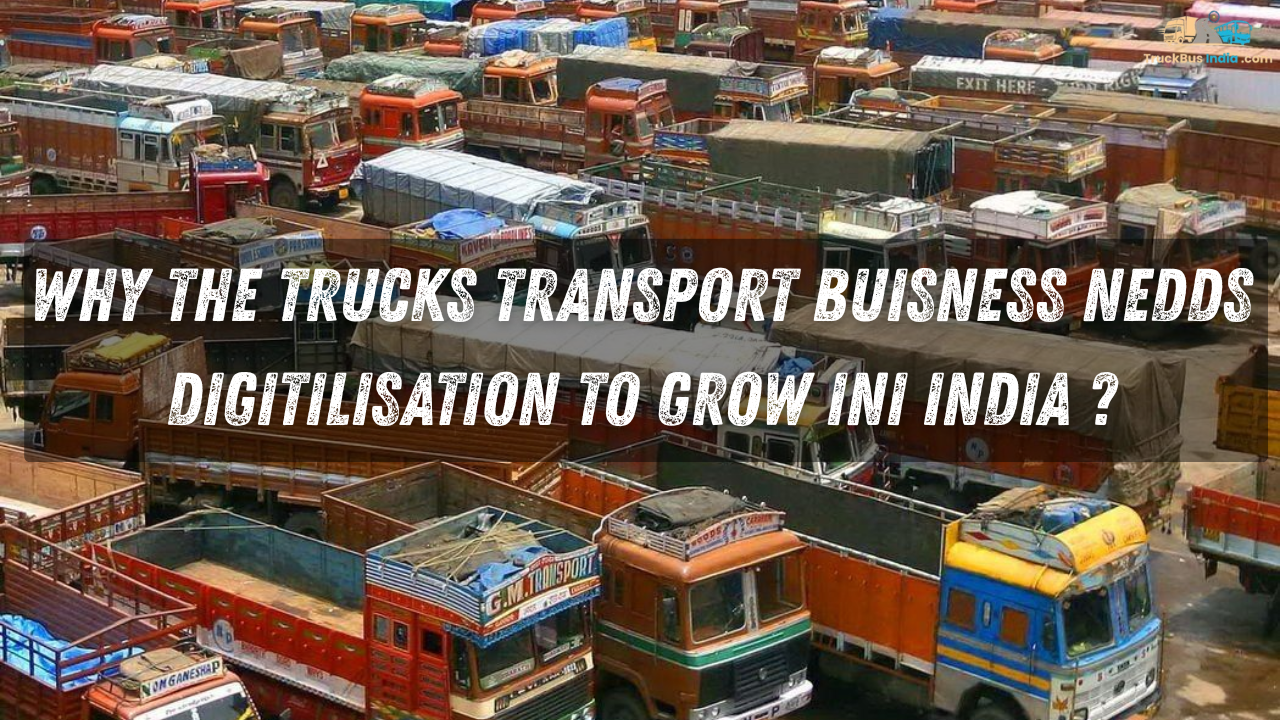
India’s trucking backbone faces a digital overhaul
New Delhi: The transportation sector that carries nearly two-thirds of India’s domestic freight is standing at a critical turning point. As manufacturing, retail, agriculture and e-commerce expand, the country’s trucking industry—responsible for roughly 65–70% of freight movement by volume—is being pushed toward rapid digital transformation. Industry observers say that digitisation is no longer optional but essential for efficiency, competitiveness and sustainability.
A fragmented system under pressure
India’s trucking landscape remains highly fragmented, with most fleet owners operating fewer than five vehicles. While this structure provides flexibility, it has also entrenched outdated practices. Manual bookings, phone-based negotiations, paper documentation and cash transactions continue to dominate daily operations. These inefficiencies have resulted in prolonged idle time, poor asset utilisation, payment delays and limited visibility across supply chains. At the same time, modern customers now expect live tracking, clear pricing, faster billing cycles and real-time delivery updates—demands that traditional systems struggle to meet.
Tackling empty runs through technology
One of the sector’s biggest cost leakages is empty running, where trucks return without cargo due to poor demand visibility and lack of coordination. Digital freight platforms and transport management systems are now addressing this gap by matching available trucks with available loads in real time. Route optimisation tools and data-driven demand forecasting are helping reduce empty miles, allowing transporters to earn more per vehicle while lowering shipping costs for businesses. Analysts note that digitisation is gradually converting operational inefficiencies into measurable economic gains.
Transparent pricing and quicker payments
Freight pricing in India has long been opaque, fluctuating based on relationships, seasonality and market speculation. Digital platforms are introducing standardised pricing models based on demand, supply, routes and historical data. This is creating a fairer marketplace for small operators while giving shippers greater cost predictability. Automated invoicing and digital billing are also significantly shortening payment cycles, improving cash flow for fleet owners and drivers alike. Faster, traceable payments are enabling reinvestment in vehicles, maintenance and workforce retention.
Putting drivers at the centre
Despite being the backbone of logistics, truck drivers have historically faced long waiting hours, uncertain schedules and delayed payments. Technology is now offering them greater support through real-time navigation, electronic documentation, and mobile apps that provide trip details, proof of delivery and payment status. By reducing dependence on intermediaries, digital tools are helping drivers work more efficiently and with greater financial security. Industry experts say that better working conditions and timely payments will be crucial in addressing driver shortages and improving retention.
A sector poised for change
As digital adoption accelerates, India’s trucking industry is gradually evolving from a fragmented, manual system into a more connected and data-driven ecosystem. Stakeholders believe that sustained investment in technology, infrastructure and regulatory support will be key to unlocking its full potential and strengthening the country’s logistics backbone.