
News List
Iron Ore Prices Slide as China Demand Weakens

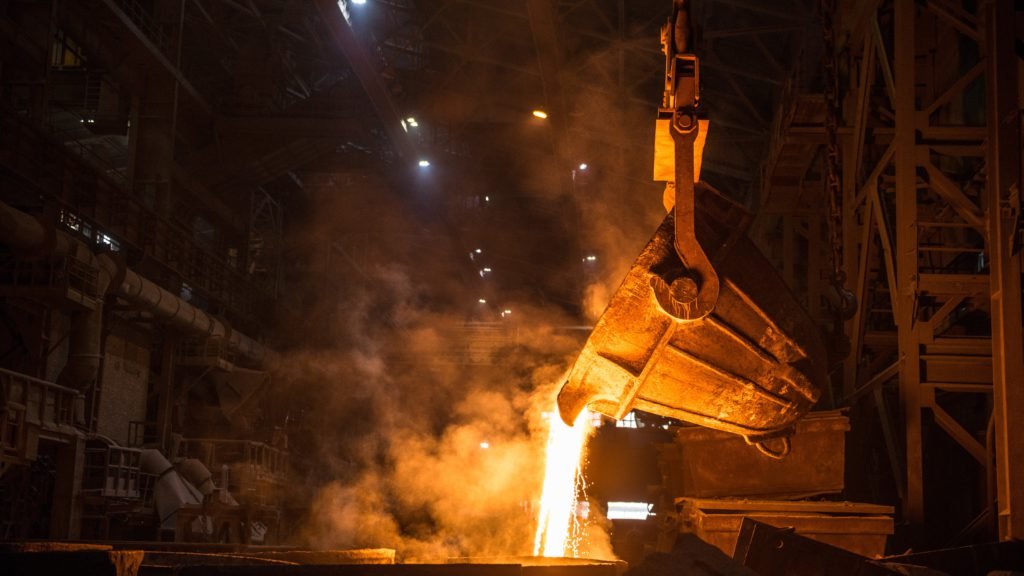
Iron ore prices extended their decline for a second consecutive session on Tuesday, reflecting mounting concerns over near-term demand in China, the world’s largest consumer of the steelmaking raw material. The downturn comes as Chinese steel mills gradually scale back operations ahead of the Lunar New Year holiday, while broader worries over steel exports continue to weigh on market sentiment.
On the Dalian Commodity Exchange (DCE), the most actively traded iron ore contract slipped 0.44 percent to 788.5 yuan, or about $113.34, per metric ton in early trading. The pullback followed similar losses in the previous session, signalling sustained caution among traders. Meanwhile, the benchmark January iron ore contract on the Singapore Exchange showed little movement, trading around $103.6 a ton, indicating a lack of fresh buying interest.
Market analysts attributed the weakness largely to seasonal factors. With the Lunar New Year approaching in February, an increasing number of steel producers in China have begun scheduled equipment maintenance. This routine slowdown typically curbs demand for key inputs such as iron ore, particularly during the winter months. In northern China, cold temperatures restrict outdoor construction activity, further dampening steel consumption and reducing the need for raw materials.
Adding to the pressure, expectations of weaker steel exports this year have clouded the outlook for iron ore demand. While China’s steel exports reached a record high last year, analysts warn that external demand may falter in the months ahead. Rising protectionist measures against low-priced Chinese steel in overseas markets, along with Beijing’s implementation of a steel export licence regime, have raised doubts about export volumes in 2026. These factors have also fuelled concerns of a potential supply glut, discouraging aggressive purchases of iron ore.
The bearish sentiment was not limited to iron ore alone. Other steelmaking ingredients also recorded notable losses. Coking coal prices fell 2.52 percent, while coke declined 2.39 percent, both pressured by fears of diminishing demand as steel production slows.
Steel products tracked on the Shanghai Futures Exchange mirrored the weakness in raw materials. Rebar prices slipped 0.57 percent, hot-rolled coil fell 0.54 percent, and wire rod edged down 0.17 percent. Stainless steel posted the steepest decline among major products, dropping 1.46 percent.
Overall, the market remains cautious as traders assess the combined impact of seasonal production cuts, subdued domestic demand, and uncertain export prospects. Until there is greater clarity on post-holiday steel output and overseas demand trends, iron ore and related steel inputs are likely to remain under pressure.