
News List
Liebherr, MAN, and Daimler Test Hydrogen-Powered Construction Site Near Munich

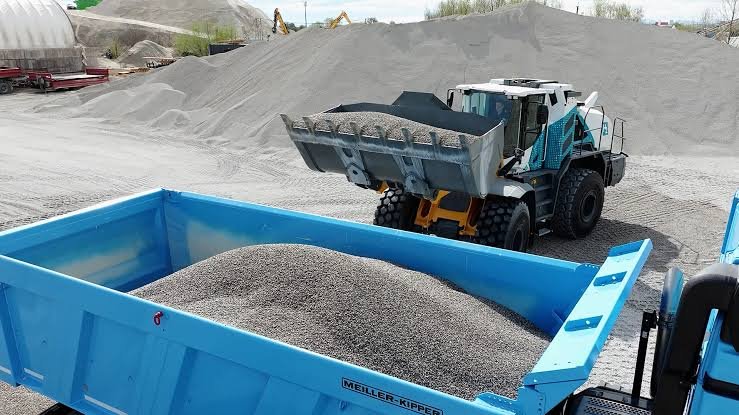
In a pioneering step towards sustainable construction, Liebherr, MAN, and Daimler Truck conducted a live demonstration of hydrogen-powered construction and logistics equipment at a gravel facility near Munich. The trial, organised under the Hydrogen Engine Alliance, showcased the viability of low-emission machinery in real-world construction and transport operations.
Hydrogen Machines in Action
The test deployed a Liebherr L 566 H large wheel loader, a series-production MAN hTGX truck, and a Daimler Truck hydrogen-based development vehicle built on the Mercedes-Benz Arocs platform. Together, the machines performed earthmoving and material haulage tasks typically handled by diesel-powered equipment.
Performance on Par with Diesel
According to the companies, the hydrogen-powered machines maintained output and performance comparable to conventional diesel engines while significantly reducing emissions. Liebherr highlighted that its wheel loader can operate an entire work shift on a single hydrogen fill, with refueling completed in just 10 to 15 minutes. This rapid turnaround ensures minimal disruption to standard construction schedules.
Familiar Driving Experience and Long-Haul Capability
Both MAN and Daimler Truck emphasised that their hydrogen engines offer driving characteristics similar to diesel vehicles, making adoption easier for operators. Additional benefits include low noise levels, which are advantageous for urban logistics and construction sites, as well as long-distance capability and heavy-load handling.
Future of Low-Emission Construction
The trial demonstrated that low-emission construction sites are already achievable with current hydrogen technology. However, the companies noted that widespread deployment depends on increasing the number of hydrogen refuelling stations across Europe and ensuring competitive hydrogen pricing to support large-scale adoption.
This milestone underlines the potential for hydrogen to play a significant role in reducing emissions in the construction and transport sectors, offering an environmentally-friendly alternative without compromising operational efficiency.