
News List
Truck Overloading Rules, Fines, and Compliance India

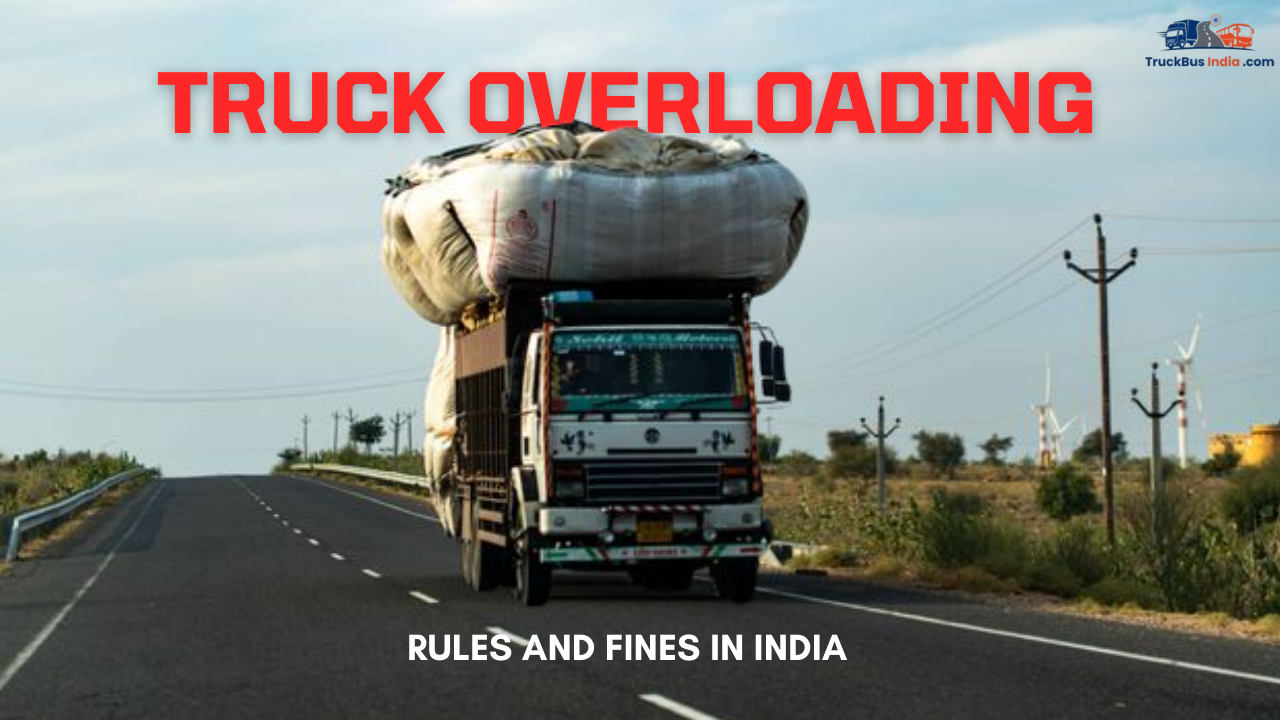
Overloading of trucks in India remains a major concern for road safety, vehicle longevity, and infrastructure maintenance. The Motor Vehicles Act, 1988, establishes strict weight limits for trucks to prevent accidents, reduce road damage, and improve operational efficiency. Overloaded trucks are linked to frequent accidents, faster road deterioration, higher fuel consumption, and increased maintenance costs, highlighting the importance of compliance for transport operators.
Legal Weight Limits for Trucks
The maximum permissible weight for trucks in India depends on axle configuration and vehicle type. For example:
- Two-axle trucks: Maximum Gross Vehicle Weight (GVW) of 16 tonnes
- Three-axle trucks: Maximum GVW of 24 tonnes
Exceeding these limits constitutes a violation under Section 112 of the Motor Vehicles Act. Authorities, including traffic police and transport departments, enforce these limits through weighbridges and mobile inspections across highways and urban routes.
Fines and Penalties for Overloading
The Motor Vehicles Amendment Act, 2019, introduced stringent penalties for overloading:
- Fines range from ₹20,000 to ₹50,000 per vehicle
- Repeat offenders may face imprisonment
- Goods may be confiscated, and vehicle permits suspended
Such strict measures reinforce the seriousness of overloading and act as a deterrent for transport operators and drivers.
Economic and Mechanical Impacts
Overloaded trucks face several mechanical issues, including:
- Faster tire wear
- Engine strain
- Brake failures
These not only increase maintenance costs but also reduce vehicle lifespan. Overloaded roads and bridges deteriorate faster, leading to higher public infrastructure expenses. Compliance with weight limits is therefore both a legal obligation and an economically sound practice.
Technology and Compliance Measures
To tackle overloading, authorities are increasingly relying on technology:
- Automated weigh-in-motion systems
- GPS tracking
- Electronic permits
Operators are encouraged to maintain certified weight records, use verified weighbridges, and train drivers in proper load management. These steps minimize penalties, enhance safety, and promote sustainable transport practices.
State Variations and Enforcement
While central law sets baseline limits, enforcement and fines can vary across states. Some regions implement stricter controls in congested areas or high-traffic zones. Transport operators must remain updated on both central and local regulations to avoid fines, operational delays, or legal issues. Collaboration between state transport authorities and logistics companies has improved compliance, though rural enforcement still faces challenges.
Conclusion
India’s truck overloading regulations are comprehensive and strictly enforced. Legal weight limits, heavy fines, and possible imprisonment make adherence mandatory. By following these rules, operators benefit from safer operations, reduced vehicle wear and tear, and smoother logistics processes. Awareness of central and state regulations ensures transport operations remain legally compliant and efficient.