
News List
The 1954 Story: How Tata Motors Began Trucks at Jamshedpur

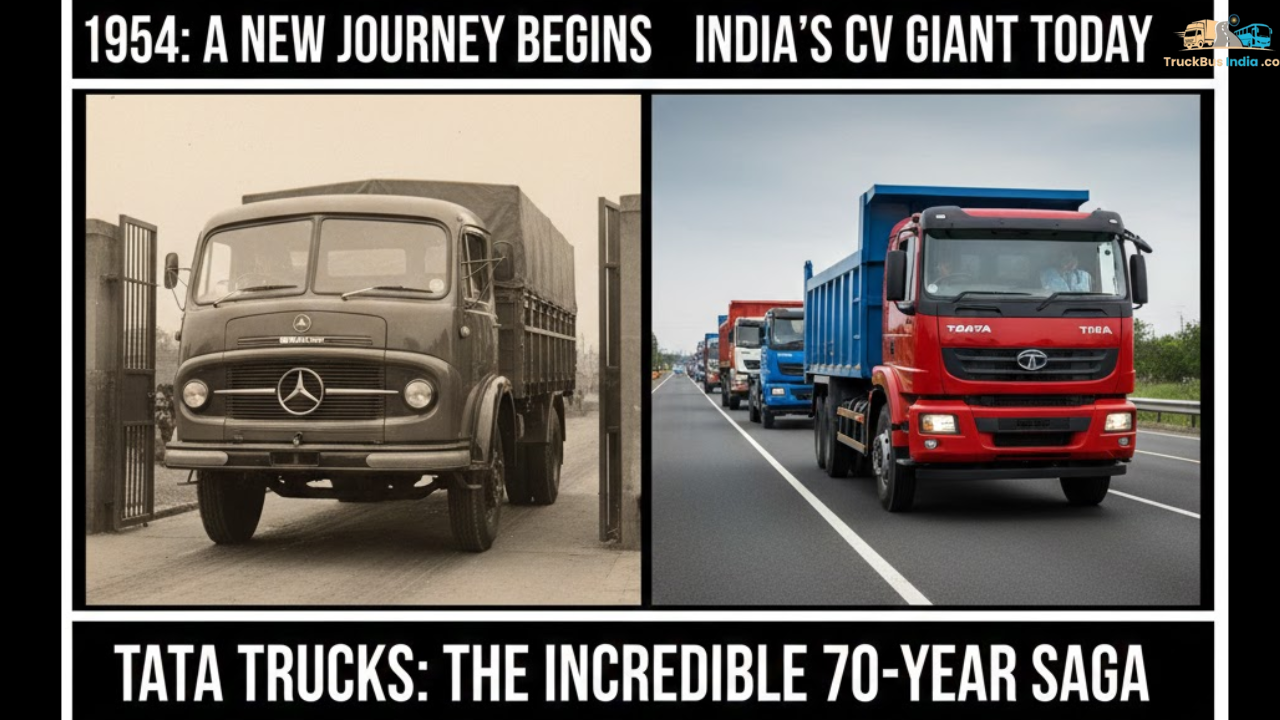
Tata Motors, now a global leader in commercial vehicles, had humble beginnings in the 1950s. The story of truck production starting in Jamshedpur in 1954 is a testament to India’s industrial vision and ambition. At a time when India was newly independent and industrial infrastructure was limited, Tata Motors’ entry into truck manufacturing marked a pivotal moment for the country’s commercial vehicle (CV) sector.
Laying the Foundation at Jamshedpur
Jamshedpur, often called the Steel City of India, was an ideal location for Tata Motors’ first truck plant. Founded by Jamshedji Tata, the city already had Tata Steel, providing industrial expertise, skilled labour, and infrastructure. By 1954, Tata Motors leveraged this ecosystem to begin truck production with a clear mission: build durable, reliable trucks suited to Indian roads.
- Strategic Location: Proximity to raw materials and steel manufacturing made production efficient and cost-effective.
- Industrial Synergy: Access to Tata Steel’s workforce and engineering knowledge ensured quality in early production.
The First Trucks and Technology
The trucks produced at Jamshedpur in 1954 were robust, simple, and designed to withstand India’s diverse road conditions. While primitive compared to today’s standards, these vehicles established Tata’s reputation for durability, reliability, and practicality.
- Early models were primarily designed for cargo transport across Indian cities and rural areas.
- Production involved a combination of imported components and local manufacturing, which allowed Tata to innovate cost-effectively while maintaining high quality.
Impact on India’s Commercial Vehicle Sector
Starting truck production in Jamshedpur was a turning point for India’s CV industry. Before 1954, India relied heavily on imported trucks, which were expensive and ill-suited to local conditions. Tata’s initiative brought:
- Affordable and durable trucks tailored for Indian roads.
- Job creation and skill development in engineering and manufacturing.
- A foundation for India’s self-reliant commercial vehicle industry.
By pioneering truck production, Tata Motors also inspired other Indian manufacturers to invest in CV manufacturing, gradually creating a competitive market.
Legacy of the 1954 Beginning
The trucks built in Jamshedpur in 1954 laid the groundwork for what would become India’s largest commercial vehicle manufacturer. Over the decades:
- Tata expanded its range to include light, medium, and heavy trucks.
- Innovation in technology, fuel efficiency, and driver comfort became a hallmark of the brand.
- The company established a pan-India service and support network, further cementing its leadership in the CV market.
Conclusion
The story of Tata Motors beginning truck production in Jamshedpur in 1954 is more than just a historical milestone—it represents India’s industrial vision, resilience, and ambition. By leveraging local resources, skilled labor, and a forward-thinking approach, Tata laid the foundation for a commercial vehicle empire that continues to lead today. For fleet operators, entrepreneurs, and industrial enthusiasts, this story highlights how strategic vision and local insight can drive long-term success in a challenging market.