News List
BMTC Introduces New Metro Feeder and City Bus Routes to Strengthen Urban Connectivity

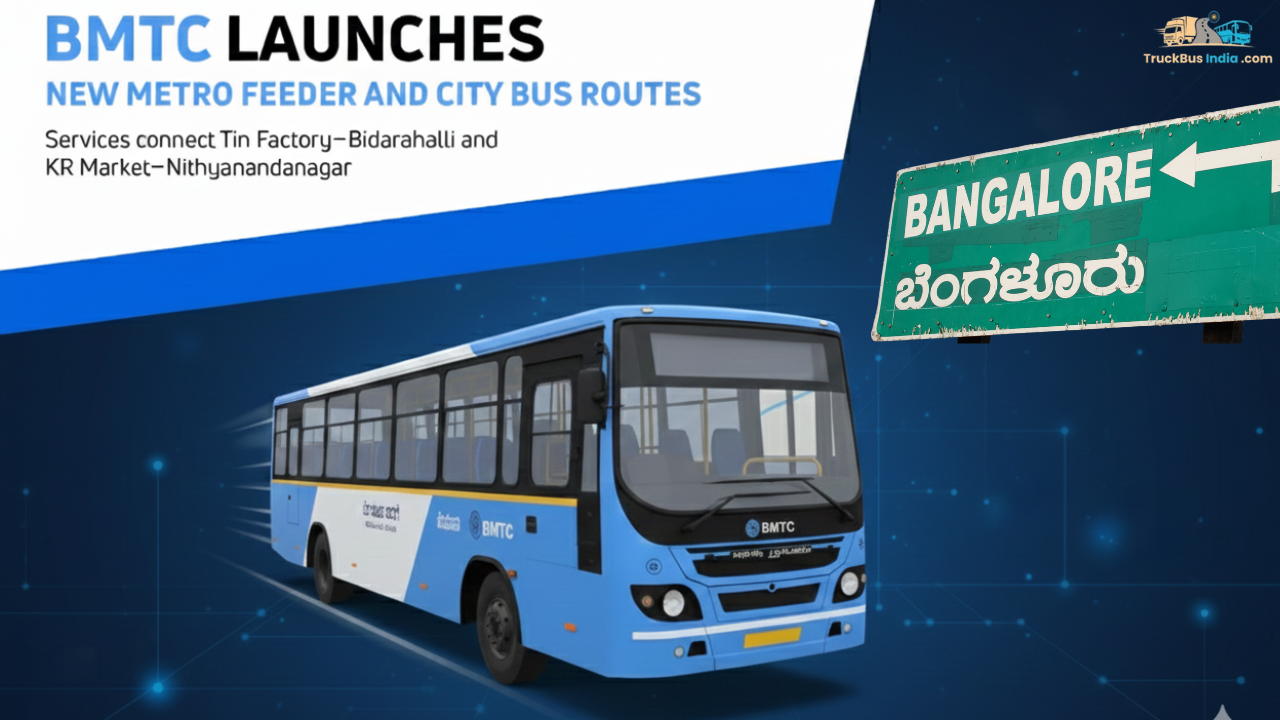
Bengaluru’s public transport ecosystem is taking another step forward as the Bangalore Metropolitan Transport Corporation (BMTC) introduces new metro feeder bus routes along with expanded city bus services. The move aims to improve connectivity between residential areas and major transit hubs, making daily commuting more seamless for thousands of passengers.
As the city continues to expand outward and metro lines stretch across new corridors, efficient feeder services are becoming critical to ensure that last-mile gaps do not undermine the benefits of mass transit.
Why Metro Feeder Bus Routes Matter
Metro feeder buses play a crucial role in bridging the distance between homes, workplaces, and metro stations. While the Bengaluru Metro has improved long-distance travel across the city, many commuters still rely on intermediate modes for short-distance access.
The newly introduced metro feeder bus routes are designed to:
- Reduce dependence on private vehicles for short trips
- Cut down travel time between metro stations and nearby localities
- Improve accessibility in areas where metro stations are not within walking distance
By aligning feeder routes with metro schedules, BMTC aims to make transfers smoother and reduce waiting times for commuters.
Expansion of City Bus Services Across Key Corridors
Alongside feeder routes, BMTC new bus routes under city services are being introduced or realigned to cater to high-demand corridors. These include residential clusters, commercial zones, educational institutions, and IT hubs that witness heavy daily passenger movement.
The expansion is part of a broader effort to strengthen Bengaluru public transport by:
- Increasing frequency on overcrowded routes
- Improving connectivity between underserved neighbourhoods
- Offering reliable alternatives to two-wheelers and cars
Such measures are expected to help manage traffic congestion while improving commuter comfort.
Focus on Urban Mobility and Sustainability
The introduction of new routes aligns with larger urban mobility India goals, which prioritise shared transport and reduced emissions. Buses remain one of the most efficient modes of mass transit in terms of road space usage and energy efficiency.
BMTC’s route optimisation also supports:
- Lower carbon emissions per passenger
- Reduced fuel consumption through better route planning
- More predictable travel times during peak hours
With Bengaluru facing rising congestion levels, strengthening bus-based transport is essential for long-term mobility planning.
What Commuters Can Expect
For daily passengers, these BMTC updates translate into tangible benefits:
- Better last-mile access to metro stations
- Fewer transfers and shorter overall journey times
- Improved coverage in newly developed areas
BMTC has indicated that route performance and passenger feedback will be closely monitored, allowing for further adjustments based on demand patterns.
The Road Ahead for City Bus Services
As Bengaluru continues to grow, integrated transport planning will be key to sustaining mobility. The addition of metro feeder and city bus routes reflects BMTC’s focus on creating a more connected and commuter-friendly system.
With continued investments in route planning, fleet modernisation, and real-time information systems, city bus services are expected to remain a backbone of Bengaluru’s transport network—supporting both daily commuters and the city’s broader sustainability goals.