
News List
‘We Did Nothing Wrong’: Indian Truck Drivers Challenge California Over Mass Licence Cancellations

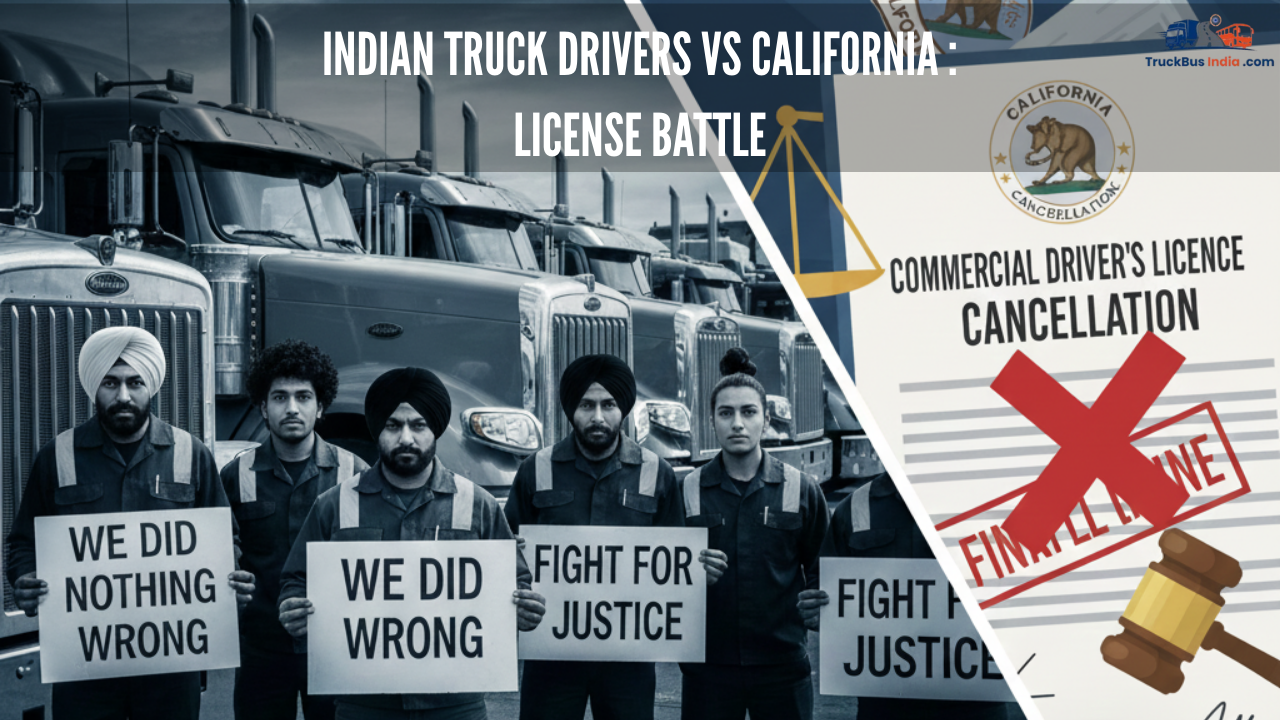
Thousands of Indian truck drivers in California — many of whom are immigrant workers from Punjabi Sikh communities — have launched a legal challenge against the state’s decision to cancel tens of thousands of commercial driving licences (CDLs). The dispute has raised urgent questions about immigrant truck drivers in the USA, California trucking regulations, and commercial driving licence issues.
What Sparked the Challenge?
In late 2025, the California Department of Motor Vehicles (DMV) began notifying immigrant drivers, including thousands of Indian truckers, that their commercial driving licences would be revoked in early 2026. The state claimed the licences had been issued with expiry dates that extended beyond the period drivers were legally allowed to stay and work in the United States — a violation tied to federal requirements.
The cancellations, which affect an estimated 20,000+ licences, were initiated after a federal audit flagged discrepancies in licence expiration dates relative to immigration status. California’s action came amid heightened scrutiny from the U.S. Department of Transportation and federal authorities, who have been pressuring several states to tighten licensing for noncitizen drivers as part of broader enforcement of national trucking safety and immigration policy.
Drivers Argue Errors and Discrimination
The affected truck drivers, supported by civil rights organisations like the Sikh Coalition and the Asian Law Caucus, argue that the cancellations are unjust and punitive. According to the lawsuit, many of the issues stem from clerical and administrative errors by the DMV — not misconduct by the drivers themselves. Rather than providing a mechanism to correct those errors or allowing drivers to reapply for amended licences, critics say, the DMV halted renewals and corrections without due process.
Legal representatives contend that under California law, the DMV should have either corrected the documentation mistakes or offered affected licence holders an opportunity to fix them. Instead, the licence revocations leave many without a legal means to continue working.
Economic and Social Impact
For the drivers themselves, the threat of losing a CDL isn’t just bureaucratic red tape — it means losing the legal right to work and support their families. Many have invested in trucks, small logistics businesses, homes, and community roots in the U.S., with transport jobs often acting as the primary source of income.
Industry commentators warn that the cancellations could have wider implications for supply chains across California and the U.S., which rely heavily on truck freight. Californian trucking companies, particularly smaller operators that depend on immigrant labour, have already seen shortages in drivers due to the dispute.
Political and Regulatory Backdrop
The legal fight unfolds against a volatile political backdrop. Federal authorities have intensified enforcement of immigration-linked CDL standards following high-profile fatal crashes in the U.S. involving drivers with contested licence status, according to reports. The Trump administration, in particular, has been critical of states that issue commercial licences to immigrants without stricter adherence to federal mandates.
California officials previously sought to reissue revoked licences after the audit but were rebuffed by federal regulators, adding tension between state autonomy and federal oversight of transport policy. Advocates argue this tug-of-war unfairly singles out immigrant truck drivers, exposing them to racial profiling and economic precarity.
What Happens Next?
The class-action lawsuit now asks the Alameda County Superior Court to halt the upcoming cancellations and compel the DMV to either reinstate or adjust affected licences. As hearings approach, the case may set a precedent on how states balance immigration enforcement, regulatory compliance, and protections for a migrant workforce essential to interstate commerce.