
News List
BP Agrees to Sell Majority Stake in Castrol to Stonepeak in $10 Billion Deal

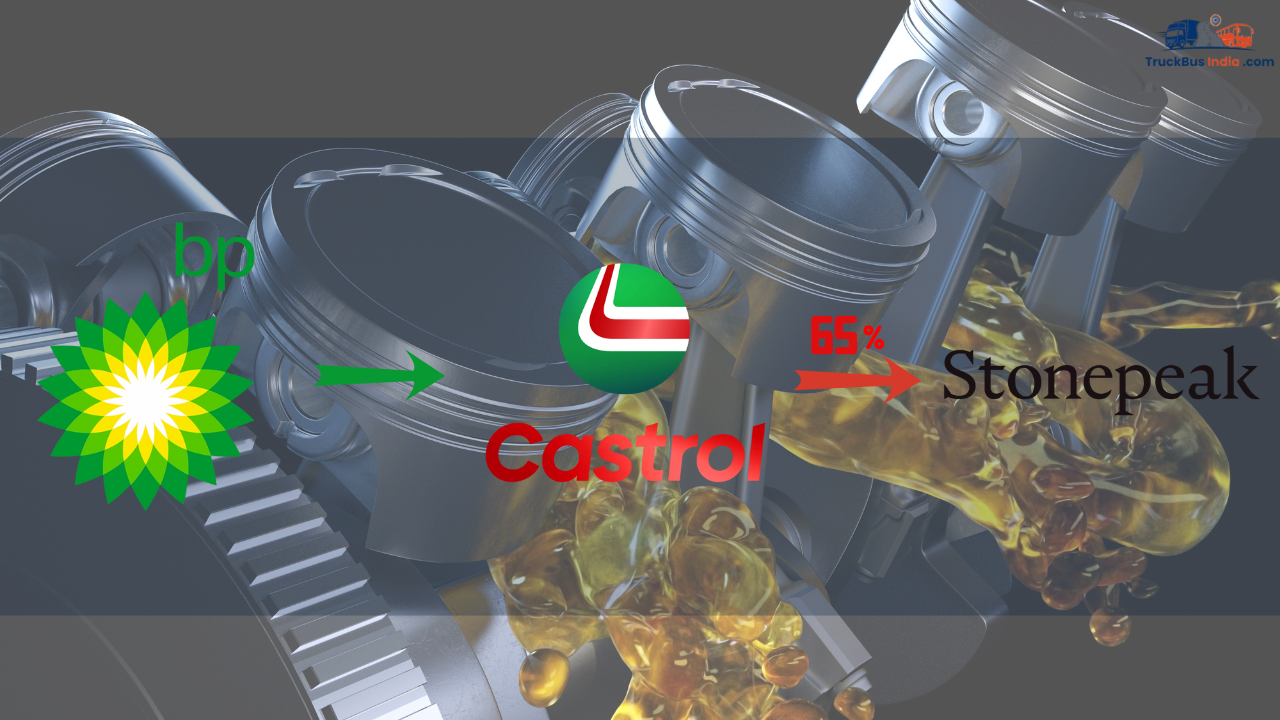
In one of the most significant transactions in the global energy and lubricants sector, BP has agreed to sell a majority stake in Castrol to global investment firm Stonepeak. Valued at around $10 billion, the deal marks a major strategic shift for BP as it continues to streamline its portfolio and unlock value from non-core assets.
The transaction places Castrol — one of the world’s most recognised lubricant brands — on a new ownership path while allowing BP to retain a minority interest and strategic linkage.
Understanding the BP–Castrol Stake Sale
Castrol has been part of BP’s portfolio since 2000, following BP’s acquisition of Burmah Castrol. Over the years, the brand has grown into a global lubricants leader, supplying engine oils and industrial lubricants across automotive, industrial, and marine segments.
Under the Castrol–Stonepeak deal, BP will divest a controlling stake while Stonepeak gains majority ownership. The agreement reflects BP’s broader asset sale strategy aimed at strengthening its balance sheet and reallocating capital toward priority areas such as energy transition and core upstream operations.
Why BP Is Selling a Majority Stake
The BP asset sale aligns with the company’s ongoing efforts to simplify its business and generate cash flow. While Castrol remains a profitable and globally respected brand, lubricants are no longer central to BP’s long-term strategic focus.
By monetising Castrol at a strong valuation, BP can:
- Reduce net debt
- Improve capital flexibility
- Focus on core oil, gas, and transition energy investments
Importantly, retaining a minority stake allows BP to benefit from Castrol’s future growth while reducing operational involvement.
What Stonepeak Brings to Castrol
Stonepeak is known for long-term investments in infrastructure and essential services businesses. Its acquisition of a majority stake signals confidence in the global lubricants market, even as the automotive sector gradually transitions toward electrification.
Lubricants remain critical across internal combustion engines, hybrid vehicles, industrial machinery, and commercial operations — especially in emerging markets. Under Stonepeak’s ownership, Castrol is expected to operate with greater strategic independence while continuing to expand in high-growth regions.
Implications for Castrol’s Business and Brand
The Castrol ownership change is unlikely to disrupt day-to-day operations in the near term. Castrol will continue to operate as a standalone brand with its existing management, manufacturing footprint, and distribution networks.
However, the new ownership structure may enable:
- Increased focus on operational efficiency
- Targeted investments in high-margin segments
- Expansion in industrial and commercial lubricants
For markets like India — where Castrol has a strong retail and automotive presence — continuity and brand trust remain key priorities.
Impact on the Global Lubricants and Energy Sector
The Castrol–Stonepeak deal reflects a broader trend of portfolio reshaping across the energy sector. As oil majors reassess where to deploy capital, non-core but profitable businesses are increasingly being spun off or partially divested.
At the same time, private equity and infrastructure investors are actively acquiring stable, cash-generating businesses with long product lifecycles — making lubricants an attractive segment despite the EV transition.
This transaction also highlights how energy sector mergers and acquisitions are evolving beyond traditional upstream assets into downstream and specialty businesses.
What This Means for the Future
For BP, the deal provides financial flexibility and strategic clarity. For Castrol, it opens the door to focused growth under a dedicated majority owner. For the broader market, it reinforces confidence in the long-term relevance of lubricants, even as mobility and energy systems evolve.
Conclusion: A Strategic Reset for Both Sides
The BP Castrol stake sale to Stonepeak stands out as a defining transaction in the global lubricants market. By unlocking value from a legacy asset, BP advances its strategic reset, while Stonepeak gains control of a globally trusted brand with resilient demand fundamentals.
As energy companies continue to rebalance portfolios, deals like this underline how ownership structures are adapting to a changing energy landscape — without sidelining businesses that still play a vital role in the global economy.