
News List
Digital freight platforms reshape how shippers and truckers connect

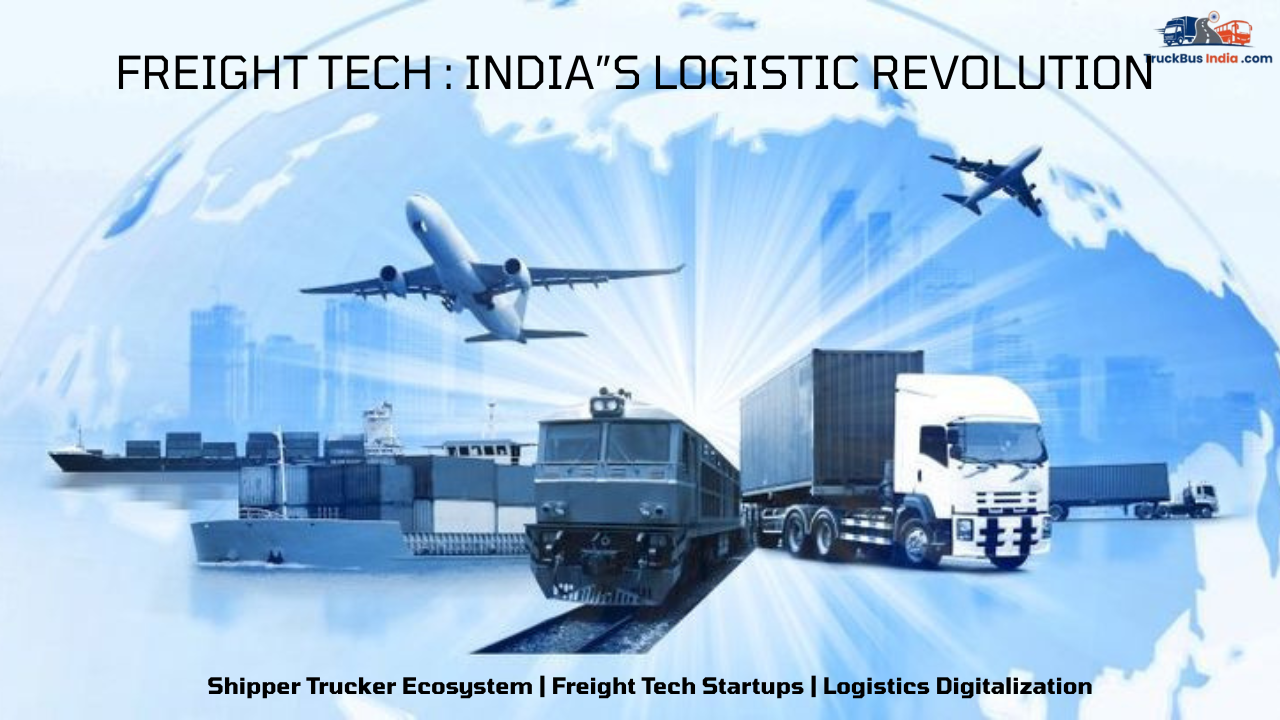
India’s freight movement has traditionally relied on fragmented networks, phone-based coordination, and multiple intermediaries. This approach often led to inefficiencies such as empty return trips, delayed payments, and limited price transparency. In recent years, digital freight platforms have begun reshaping how logistics transactions are executed.
By enabling online truck booking and real-time communication, these platforms are bringing structure to a largely unorganised segment of the logistics industry.
How digital freight marketplaces work
At their core, logistics marketplaces connect shippers with available trucks through mobile and web-based applications. Shippers can post load requirements, compare pricing, and track shipments, while truckers gain access to a wider pool of freight opportunities.
These platforms also support documentation, invoicing, and payment processing, reducing administrative burden. For many small fleet owners and independent drivers, access to spot freight India listings has opened new revenue channels.
Visibility and efficiency improve for shippers
For shippers, one of the biggest advantages of digital freight platforms is improved visibility. Real-time tracking, digital proof of delivery, and performance analytics help companies monitor shipments more closely and manage exceptions faster.
In addition, data-driven pricing models allow shippers to benchmark freight rates across routes and seasons. This transparency helps reduce uncertainty and improves planning across the supply chain.
Truckers gain faster access and payments
Truckers and small fleet operators benefit significantly from logistics digitalization. Digital platforms reduce dependency on brokers and long negotiation cycles, allowing drivers to secure loads quickly and reduce idle time.
Many freight tech startups are also addressing long-standing payment delays by offering faster settlement cycles and credit-linked services. This has helped improve cash flow and trust within the shipper trucker ecosystem.
Technology strengthens the freight network
Advanced platforms integrate GPS tracking, route optimisation, and performance analytics to enhance reliability. Some providers use AI-based matching algorithms to pair loads with suitable vehicles, improving utilisation and reducing empty runs.
As adoption grows, digital freight platforms are evolving beyond basic booking tools into integrated logistics solutions that support fleet management, compliance, and data-driven decision-making.
Challenges in scaling digital freight
Despite strong momentum, challenges remain. Adoption among traditional operators can be slow due to digital literacy gaps and resistance to change. Connectivity issues in remote regions also limit real-time functionality.
Additionally, balancing platform commissions with fair earnings for truckers remains a sensitive issue. Ensuring transparency and trust is critical for long-term sustainability in logistics marketplaces.
The future of digital freight in India
The growth of digital freight platforms reflects a broader shift toward technology-enabled logistics. As freight volumes increase and supply chains demand greater efficiency, these platforms are becoming central to how goods move across the country.
With continued investment and regulatory support, freight tech startups are expected to deepen their role in standardising processes, improving asset utilisation, and strengthening the shipper-trucker relationship. Digital freight platforms are not just connecting loads to trucks — they are redefining how India’s logistics ecosystem operates.