
News List
Connected vehicle technology gains ground in India’s commercial fleet ecosystem

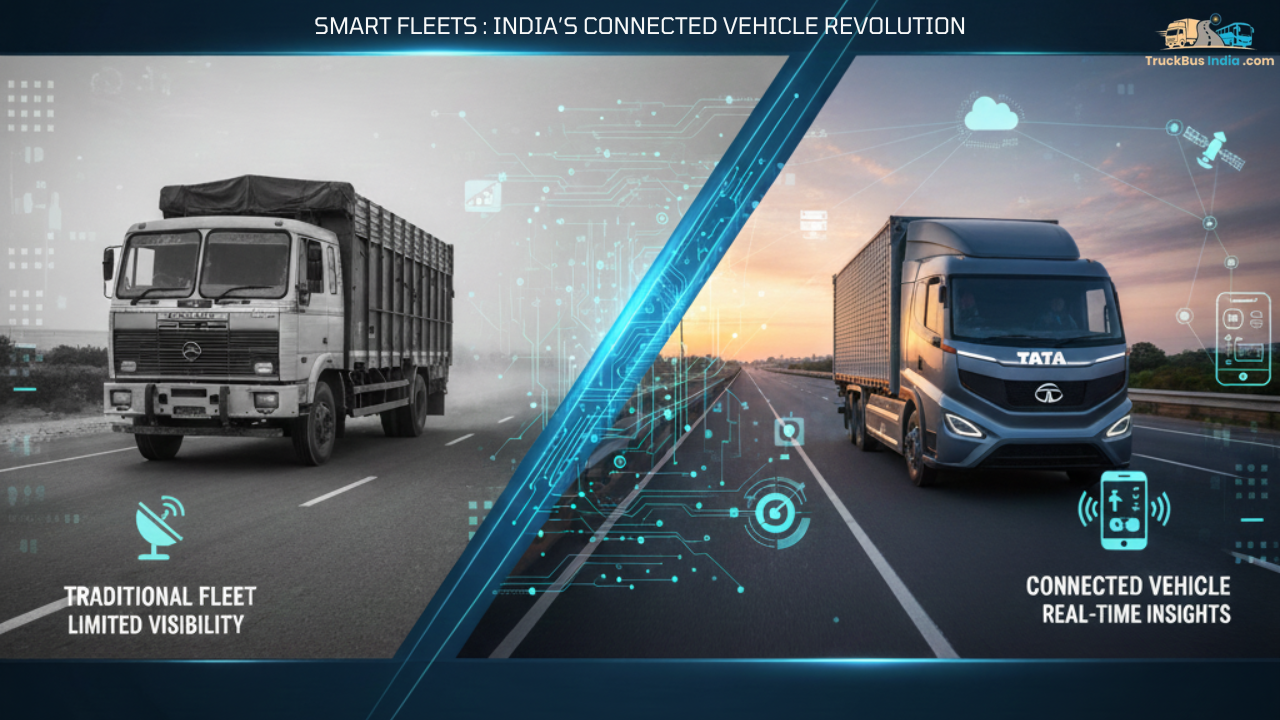
India’s commercial vehicle sector is undergoing a quiet but significant shift. Trucks and buses are no longer operating as isolated assets; instead, they are becoming part of connected ecosystems driven by data. Connected vehicles in India are steadily gaining ground as fleet operators adopt technology to improve visibility, efficiency, and safety.
This transition is being fuelled by rising logistics complexity, tighter delivery timelines, and increasing pressure to reduce operating costs. As a result, commercial vehicle telematics is moving from an optional add-on to a core fleet management tool.
What connected vehicle technology actually delivers
At its core, smart fleet technology combines onboard sensors, GPS, and cloud-based platforms to collect and analyse vehicle data. This includes location, fuel usage, engine health, driver behaviour, and route performance. For fleet managers, this information enables real time vehicle tracking and faster decision-making.
In a market where margins are thin, access to accurate, live data can significantly improve asset utilisation. Connected fleets reduce idle time, optimize routes, and detect maintenance issues before they result in breakdowns, directly impacting profitability.
Telematics adoption accelerates across segments
While early adoption was largely seen among large logistics players, connected vehicle adoption is now spreading to mid-sized fleets and regional operators. Falling hardware costs, subscription-based pricing models, and OEM-fitted telematics systems are lowering entry barriers.
Manufacturers are increasingly offering factory-installed telematics in trucks and buses, making digital monitoring more accessible. This shift is helping normalise fleet data systems across both long-haul and intra-city operations.
Safety and compliance drive technology uptake
Safety is a major driver behind the adoption of connected vehicles in India. High accident rates and regulatory scrutiny have pushed fleet operators to monitor driver behaviour more closely. Telematics data helps track harsh braking, overspeeding, and fatigue-related patterns, enabling corrective action.
In addition, digital mobility platforms support compliance with tolling systems, route restrictions, and emission norms. For logistics companies working with large enterprises, transparent reporting through IoT fleet solutions has become essential for meeting contractual and audit requirements.
Data-led decision-making reshapes fleet operations
The real value of smart fleet technology lies in how data is used. Predictive maintenance alerts allow operators to schedule servicing based on vehicle condition rather than fixed intervals, reducing downtime. Route analytics help fleets avoid congestion and improve delivery predictability.
As data volumes grow, fleet managers are moving from reactive management to proactive planning. Integrated dashboards now combine fuel data, trip performance, and driver metrics, offering a single view of operations across geographies.
Challenges remain, but momentum is clear
Despite growing adoption, challenges persist. Smaller operators often struggle with digital literacy and change management. Data overload without proper analytics can also limit benefits. Connectivity gaps in remote regions continue to affect real-time data transmission.
However, these issues are gradually being addressed through simplified user interfaces, vernacular-language platforms, and improved mobile networks. As digital infrastructure strengthens, connected vehicle technology is expected to become more reliable and widespread.
The road ahead for connected fleets
Connected vehicles are fast becoming the backbone of India’s evolving commercial fleet ecosystem. As logistics volumes rise and customer expectations tighten, fleet operators are turning to technology not just for efficiency, but for survival.
The shift toward data-driven transport signals a broader transformation in how fleets are managed. In the coming years, connected vehicles, integrated fleet data systems, and digital mobility platforms are set to play a central role in shaping India’s smarter, safer, and more efficient logistics landscape.