
News List
Electric Bus Financing Models Gain Traction as STUs Look to Cut Upfront Costs

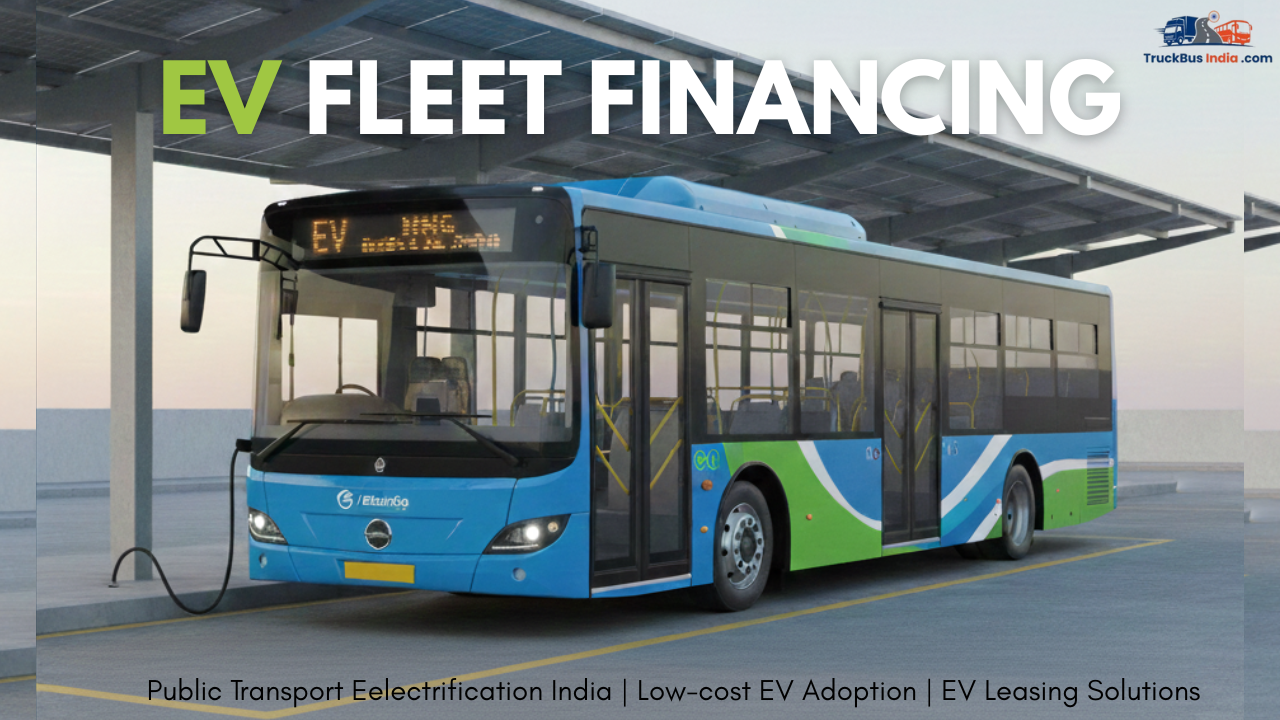
As India accelerates its transition toward zero‑emission public transport, electric bus financing models are becoming increasingly crucial in helping state transport undertakings (STUs) overcome financial barriers tied to procuring electric fleets. With high upfront costs and challenging revenue cycles, traditional purchase routes have often constrained STUs, making innovative financing approaches essential to expand sustainable bus fleets across the country.
Why Financing Models Are Key to Electric Bus Adoption
Electric buses typically cost significantly more than diesel counterparts, which places a heavy burden on the balance sheets of public transport agencies. Beyond the purchase price, operators must also account for costs related to charging infrastructure, maintenance, and service contracts — all of which can deter STUs from committing to large fleets. Innovative electric bus funding options help bridge this financial gap by spreading costs and reducing risk.
Government‑backed financing is one powerful tool in this toolkit. For instance, REC Ltd — a government‑owned financial institution — has dramatically increased its funding for electric buses, tripling support in FY24 and planning to finance over 50,000 electric buses in the next two to three years. This substantial push reflects a rising need for organised financing to support sustainable transport adoption nationwide.
Gross Cost Contract (GCC) and Lease Models
One of the most impactful shifts in electric bus financing has been the emergence of Gross Cost Contract (GCC) models, where manufacturers or third‑party operators fund and maintain the buses while STUs pay on a usage basis. This arrangement eliminates the need for STUs to invest capital upfront, effectively transferring financial risk and operational responsibilities to private partners.
Under GCC models, the operator — often in partnership with original equipment manufacturers (OEMs) — receives a set payment per kilometer run, which can cover the costs of the asset and its maintenance over time. This structure is already being deployed under large national tenders for e‑buses under schemes like the PM e‑Drive/PM eBus Sewa programme, helping accelerate the rollout of thousands of electric buses.
Lease models are another promising route. These involve financiers purchasing electric buses and leasing them to STUs or private operators with structured payments that bundle insurance, maintenance, and battery replacements — significantly reducing the financial burden on transport undertakings. Stakeholders argue that long‑term lease arrangements (e.g., nine‑year leases) are pivotal in making such deployments financially viable for all parties.
Payment Security Mechanisms to Reduce Risk
One persistent challenge for lenders and busmakers has been the perceived risk of delayed payments by STUs, especially those struggling with fare revenue shortfalls. To address this, the government has introduced a Payment Security Mechanism (PSM) under national e‑bus schemes. This mechanism aims to guarantee payments owed to bus manufacturers or operators on behalf of STUs, enhancing the bankability of electric bus projects.
By ensuring that monthly lease or contract fees are honoured even if a transport undertaking faces delays, PSM reduces the risk profile for financiers and encourages participation from both banks and private firms. This, in turn, helps maintain steady flows of investment into electric mobility financing for public transport.
Combined Public and Private Funding Approaches
Beyond national schemes, blended financing models that combine public subsidies with private capital and foreign investment are gaining traction. Multilateral projects, such as those involving the Asian Infrastructure Investment Bank (AIIB) and other development partners, provide direct project financing for electric buses and associated charging infrastructure — often under frameworks that include government and private stakeholders.
Similarly, global institutional investments in EV technologies and fleets in India highlight the untapped potential of blended financing. For example, new external financing platforms and investment vehicles are emerging to support commercial electric vehicle adoption, including buses, under asset finance arrangements that reduce upfront costs and allocate risk more effectively.
Impact on STUs and Future Outlook
The adoption of diversified electric bus financing models offers tangible benefits for STUs by reducing upfront costs, spreading capital expenditure over the life cycle of the asset, and creating predictable cost structures. These models also encourage investment in charging infrastructure and ongoing maintenance — aspects that were previously costly and fragmented.
As India continues to chart a course toward sustainable and electrified public transport, financing innovations will remain a cornerstone of progress. Robust frameworks like GCC, lease models, payment security mechanisms, and blended public‑private funding are collectively driving STU electric bus adoption — making electric fleets more financially accessible, operationally efficient, and scalable in cities and states nationwide.