
News List
How Enterprise IT Infrastructure Enhances Efficiency in Modern Pickup Truck Fleets

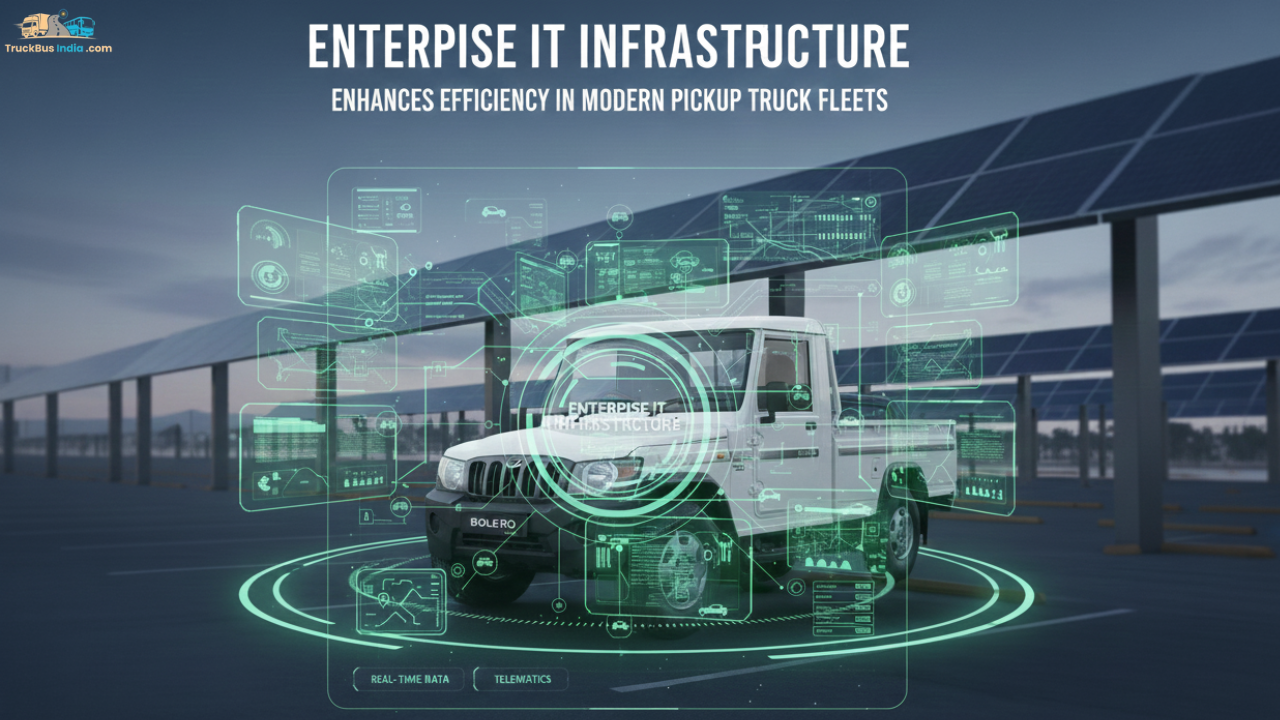
As pickup truck fleets become central to last-mile delivery, field services, and logistics operations, efficiency is no longer driven by vehicles alone. The real differentiator lies in enterprise IT infrastructure, which enables fleet operators to manage assets, drivers, and data at scale. From real-time insights to predictive maintenance, modern IT systems are transforming how pickup truck fleets operate.
The Role of Enterprise IT Infrastructure in Fleet Management
Enterprise IT infrastructure refers to the integrated combination of servers, software platforms, data networks, and connectivity systems that support large-scale operations. In fleet management, this infrastructure acts as the backbone that connects vehicles, drivers, dispatch teams, and decision-makers into a single digital ecosystem.
For pickup truck fleets, especially those operating across multiple regions, a robust IT setup ensures seamless coordination, consistent performance monitoring, and faster response to operational challenges.
Real-Time Data Processing for Smarter Decisions
One of the biggest advantages of enterprise IT infrastructure is real-time data processing. Telematics devices installed in pickup trucks continuously collect data such as location, fuel usage, engine health, idle time, and driver behaviour.
This data is processed instantly through fleet software systems, allowing managers to:
- Track vehicle movements live
- Optimise routes based on traffic and delivery priorities
- Reduce fuel consumption and idle hours
- Identify risky driving patterns
Real-time visibility helps fleet operators move from reactive problem-solving to proactive decision-making.
Telematics and Connectivity as the Core Enablers
Modern pickup truck fleets rely heavily on telematics and connectivity to function efficiently. Enterprise-grade connectivity ensures uninterrupted data flow between vehicles and central systems, even across remote locations.
With stable connectivity, fleet managers can:
- Send instant route updates
- Monitor delivery timelines
- Respond quickly to breakdowns or delays
- Improve customer communication through accurate ETAs
This level of coordination is especially valuable for time-sensitive logistics and service-based fleets.
Hybrid IT Systems for Flexibility and Scalability
Many fleet operators now use hybrid IT systems, combining on-premise servers with cloud-based platforms. This approach offers flexibility, data security, and scalability.
On-premise systems handle sensitive operational data, while cloud platforms support analytics, dashboards, and remote access. As pickup truck fleets expand, hybrid IT systems allow companies to scale their fleet software systems without major infrastructure overhauls.
Scalable Server Infrastructure for Growing Fleets
As fleets grow in size and complexity, data volumes increase rapidly. Scalable server infrastructure ensures that fleet management platforms can handle higher data loads without performance issues.
This scalability supports:
- Expansion into new regions
- Integration of additional vehicles
- Advanced analytics and AI-driven insights
- Long-term digital transformation goals
Without scalable infrastructure, fleet efficiency gains are difficult to sustain over time.
Predictive Maintenance and Reduced Downtime
Enterprise IT infrastructure enables predictive maintenance by analysing vehicle data trends. Instead of relying on fixed service schedules, fleet operators can identify potential issues before breakdowns occur.
For pickup truck fleets, this means:
- Lower maintenance costs
- Reduced vehicle downtime
- Longer asset life
- Improved driver safety
Predictive insights directly translate into higher fleet availability and productivity.
Improving Compliance and Operational Transparency
Fleet software systems integrated into enterprise IT infrastructure also help ensure regulatory compliance. Automated logs for driver hours, vehicle health, and fuel usage simplify audits and reporting.
At the same time, operational transparency improves internal accountability, making it easier to evaluate driver performance and operational efficiency.
Conclusion
Enterprise IT infrastructure is no longer optional for modern pickup truck fleets. By enabling real-time data processing, supporting hybrid IT systems, and integrating telematics and connectivity, it significantly improves fleet management outcomes. As logistics and service demands continue to rise, fleets that invest in scalable, data-driven IT infrastructure will be better positioned to operate efficiently, reduce costs, and adapt to future challenges.