News List
Zingbus grows electric bus fleet through operator partnerships and not ownership

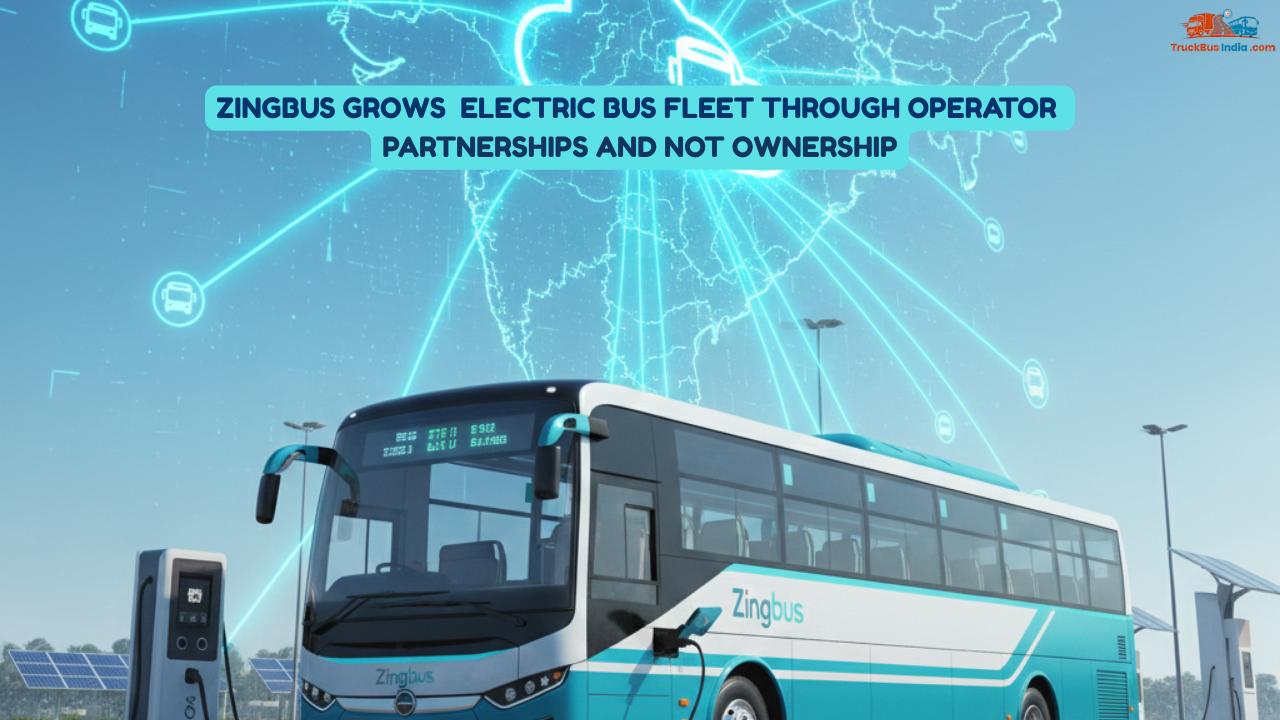
India’s intercity travel landscape is undergoing a silent transformation as Zingbus — a Delhi‑based intercity smart mobility platform — accelerates the adoption of electric buses not through direct fleet ownership, but by empowering a broad network of partner operators to electrify their services. This operator‑led model is expanding the Zingbus electric bus fleet rapidly while addressing barriers to electrification faced by traditional transport enterprises.
Since its launch in 2019, Zingbus has worked with hundreds of small and medium‑sized bus operators across India, providing digital infrastructure that simplifies route management, pricing, fleet optimisation, and customer ticketing. Rather than purchasing and owning buses itself, Zingbus enables partner operators to run and manage their own electric buses, while the platform offers centralised technology support and revenue‑management capabilities that make EV operations more viable and cost‑effective.
Operator Partnerships Drive EV Fleet Growth
Zingbus’s strategy hinges on collaboration with existing bus operators — more than 250 partners are now integrated into its ecosystem, a move that broadens the EV bus partnerships India landscape and bypasses the heavy capital burden associated with owning buses directly. Operators benefit from access to a robust technology stack tailored to the needs of electric fleet management, including charging planning, battery health monitoring, route optimisation, and performance analytics that align with the unique demands of long‑distance EV operations.
This model has shown tangible early success. On key highway routes, electric buses enabled by Zingbus are reported to outperform comparable diesel services in both occupancy and customer satisfaction, signalling growing rider acceptance of quieter, emission‑free intercity travel. These higher occupancy levels and improved net promoter scores suggest that passengers increasingly prefer EV services for comfort and environmental appeal.
Technology Stack Eases the Transition
At the heart of Zingbus’s approach is its proprietary electric bus technology stack, which tackles the operational complexity of EV adoption — a major concern for many traditional operators. This suite of tools helps partners plan charging stops along routes, manage battery utilisation, and keep vehicles running with minimal downtime. By lowering the technical and operational barriers, the platform encourages operators to adopt EV fleets faster and with greater confidence.
By investing in these digital solutions rather than hardware, Zingbus ensures that operators retain flexibility and ownership of their assets, while still benefitting from centralised systems that streamline costs and improve service reliability. This collaborative ecosystem exemplifies how partnerships — rather than centralised asset ownership — can unlock scalable EV adoption across diverse regional markets.
Strategic Alliances and Funding Support
Zingbus’s growth is bolstered by strategic industry alliances and funding backing that strengthen its platform capabilities. In late 2024, British energy giant bp’s venture capital arm, bp Ventures, led a $9 million Series A investment into Zingbus, highlighting confidence in the company’s business model and its role in India’s clean mobility transition. The funds are expected to scale operations, enhance its technology offerings, and support an expanding network of EV operators nationwide.
Part of this electrification push includes a commercial collaboration with Jio‑bp pulse — a joint venture between Reliance and bp focused on EV infrastructure — to provide fast‑charging access for electric buses operating on the Zingbus platform. This partnership ensures that partner operators have dependable charging access along intercity corridors, addressing another major pain point for EV adoption.
Looking Ahead: Scaling and Sustainability
With plans to scale to over 1,000 electric buses on intercity routes in the coming years, Zingbus’s asset‑light, partnership‑focused model positions it uniquely within India’s evolving EV ecosystem. This approach not only spreads financial risk across operators but also accelerates the spread of electric mobility in a cost‑efficient and commercially viable manner.
As India pursues ambitious targets for electric bus deployment, platforms like Zingbus that prioritise partnerships over ownership are proving that collaborative frameworks — bolstered by tech support and aligned incentives — can unlock sustainable growth and broaden the reach of zero‑emission intercity transport.