News List
How Dealer Network Expansion Is Changing Commercial Vehicle Buying in India

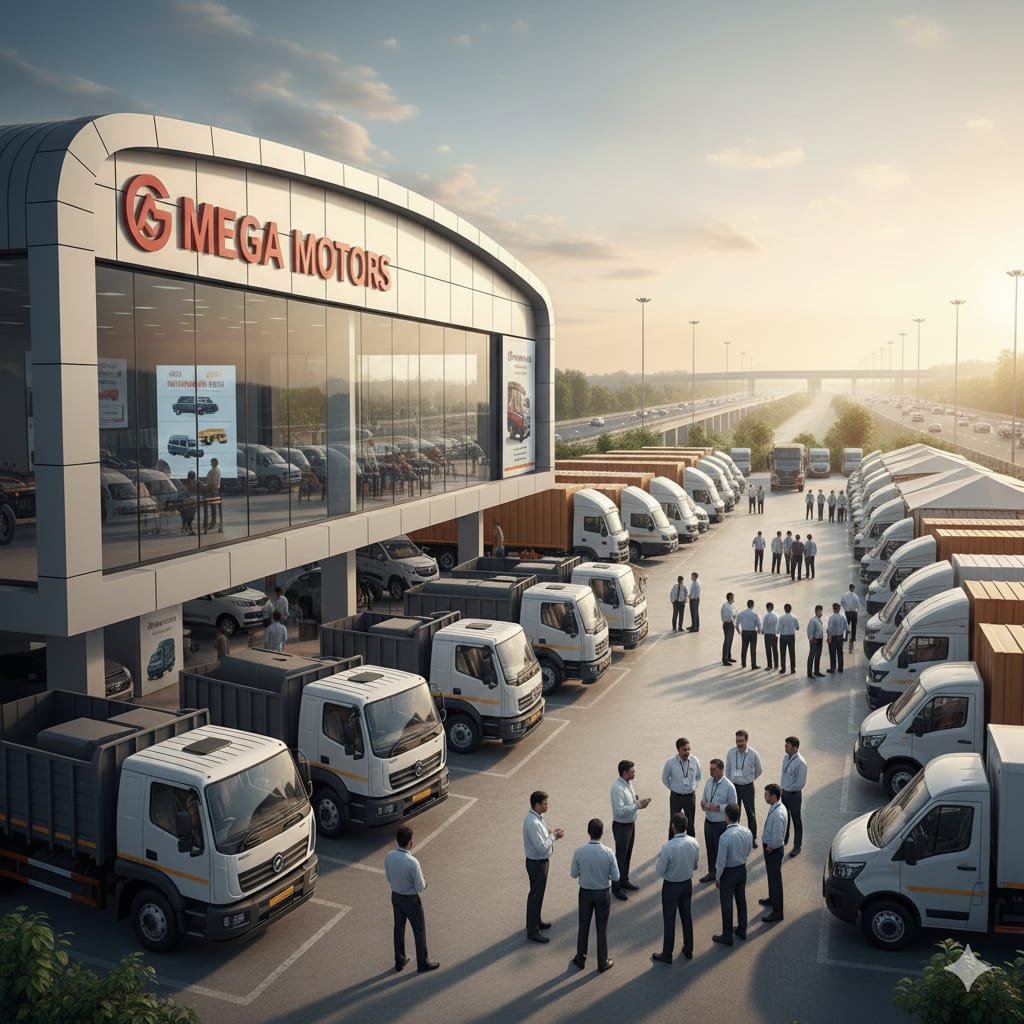
India’s commercial vehicle (CV) market is undergoing a structural shift, and one of the biggest forces driving this change is the rapid expansion of dealer networks by major OEMs. As manufacturers strengthen their presence across Tier 2, Tier 3, and rural markets, the way transporters and fleet owners buy and maintain their vehicles is being reshaped in unprecedented ways.
Wider Reach, Faster Access
Earlier, many buyers—especially in remote regions—had to travel long distances to visit a dealership, inspect models, or complete documentation. Today, OEMs are aggressively opening new showrooms, service outlets, and touchpoints much closer to demand centres.
This expanded footprint is shrinking the accessibility gap and allowing small fleet operators, first-time buyers, and rural transport entrepreneurs to make quicker and more informed purchase decisions. Easy access also means faster availability of popular models, test drives, and custom configurations that suit specific local industries such as construction, sand mining, agriculture, and logistics.
Better After-Sales Support Builds Confidence
One of the biggest concerns for CV owners is downtime. New and upgraded dealer workshops, equipped with diagnostic tools and trained technicians, are helping operators keep vehicles on the road with minimal interruptions.
OEMs are investing heavily in:
- 24/7 service facilities
- Mobile service vans for roadside assistance
- Expanded spare parts networks
- Faster turnaround for accidental repairs
This heightened focus on service reliability is improving buyer confidence, encouraging customers to invest in technologically advanced vehicles—including BS6 engines, LNG trucks, and connected mobility solutions.
Localised Dealer Presence Drives Tailored Recommendations
Dealers today are playing a more advisory role rather than simply selling trucks. With deeper regional presence, sales teams better understand local terrain, load requirements, and business patterns.
For example, a dealer in a mining belt may recommend a high-torque tipper configuration, while dealers in coastal belts may push corrosion-resistant chassis options. This consultative approach ensures buyers receive vehicles that fit their operational realities, ultimately improving productivity and lifecycle value.
Easier Financing and Documentation
As dealer networks expand, partnerships with banks, NBFCs, and government-backed lending programs are also becoming more accessible. Many outlets now offer:
- On-site finance counters
- Faster approval and paperwork support
- Flexible EMI structures
- Tailored schemes for owner-cum-drivers
This convenience is especially crucial for first-time buyers who previously struggled with collateral requirements or limited financial literacy. The presence of trained dealership teams bridges this gap and speeds up the purchase cycle.
Growth of Digital Touchpoints
Physical expansion is strongly supported by digital infrastructure upgrades. Dealers are integrating:
- Online vehicle configurators
- Virtual showroom tours
- Real-time inventory visibility
- Service booking platforms
This hybrid model—physical presence combined with digital convenience—gives buyers a smoother and more transparent buying journey. Technicians also use digital tools to provide predictive maintenance and telematics-based insights, creating long-term value for fleet operators.
Boosting Competition and Customer Experience
As more dealerships emerge across competing brands, customer expectations are rising. OEMs are responding with:
- Faster deliveries
- Competitive pricing
- Attractive maintenance packages
- Driver training programs
- Loyalty and fleet management solutions
This competition is raising overall industry standards and giving buyers more bargaining power, better service quality, and improved ownership satisfaction.
A New Era of Commercial Vehicle Buying
The expansion of dealer networks is not just improving sales volumes—it’s fundamentally transforming how CVs are bought, financed, maintained, and utilised across India. With stronger local presence, improved after-sales capability, and digitally empowered interactions, commercial vehicle buyers today enjoy a far more seamless and efficient experience.
As OEMs continue strengthening their reach into smaller markets, the future of CV buying in India will be defined by accessibility, transparency, and customer-centricity—marking a significant leap forward for the nation’s transportation and logistics landscape.