News List
How India’s Intercity Bus Travel Boomed 25% in 2025

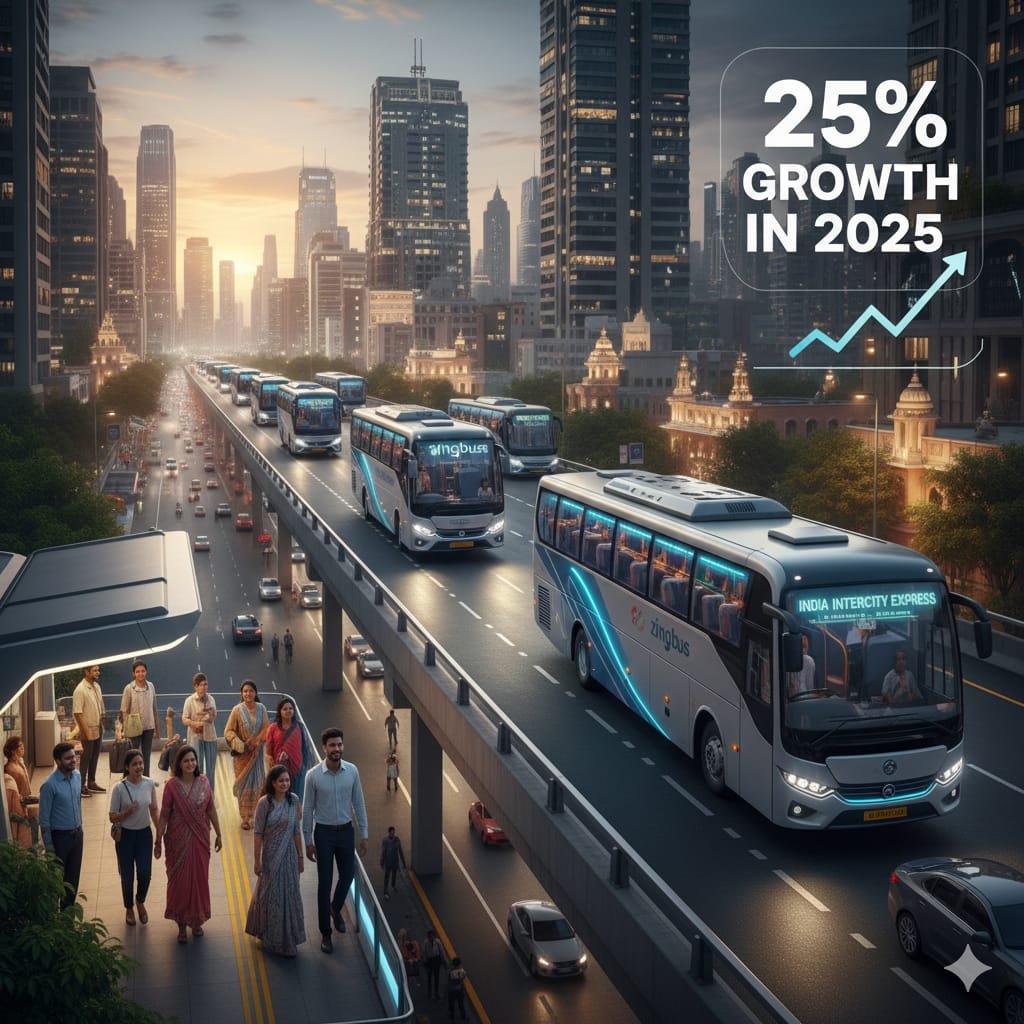
India’s intercity bus travel sector is experiencing one of its strongest rebounds in recent years, clocking a remarkable 25% growth in 2025. With rising mobility needs, post-pandemic confidence, and major upgrades in fleet quality, the intercity bus network has become a preferred travel option for millions across Tier-1, Tier-2, and Tier-3 cities. As affordability, comfort, and safety gain importance, the country’s bus travel landscape is undergoing a major transformation.
1. Digital Booking Platforms Revolutionised the Market
A major driver of the 2025 boom has been the rise of tech-enabled ticketing.
Platforms such as RedBus, MakeMyTrip, and state-run apps have streamlined the entire experience—from choosing seats and comparing prices to tracking buses in real-time.
Key outcomes of digitisation:
- Massive increase in pre-booked and last-minute travel
- Transparency in pricing and operator ratings
- Reduced dependency on offline booking counters
- Better scheduling and fleet optimisation by bus operators
Digital adoption has made bus travel more predictable, organised, and convenient, especially for younger, tech-savvy travellers.
2. Upgraded Buses Attract Premium Travellers
Another major factor behind the 25% surge is the premiumisation of intercity buses.
Operators introduced new-generation fleets including:
- Sleeper coaches with wider berths
- Luxury AC seater-sleeper buses
- Volvo, Scania, and BharatBenz long-haul coaches
- Buses with entertainment systems, Wi-Fi, and charging points
Improved ride quality and consistent travel times have helped buses compete with trains, especially on routes where Tatkal tickets are hard to find.
3. Electric and CNG Buses Gain Momentum
With sustainability becoming a priority, 2025 saw long-distance operators adopt electric, CNG, and LNG-powered buses—supported by government incentives and rising fuel prices.
Why eco-friendly buses are trending:
- Lower operational costs for fleet owners
- Lesser maintenance compared to diesel buses
- Higher passenger preference for low-noise, low-vibration travel
Cities such as Bengaluru, Pune, Hyderabad, and Ahmedabad expanded their intercity green corridors, boosting adoption further.
4. Tier-2 and Tier-3 Mobility Demand Skyrocketed
India’s smaller cities and towns have become the biggest contributors to this boom.
Growth drivers include:
- Rise of small businesses and regional trade
- Affordable intercity travel for migrant workers
- Lack of adequate rail connectivity in many emerging regions
- Increased tourism in offbeat destinations
Routes linking cities like Indore–Udaipur, Coimbatore–Kochi, Surat–Nashik, and Hubballi–Goa saw record passenger volumes in 2025.
5. Safer, More Regulated Travel Experiences
Government initiatives also played a key role in making intercity bus travel more reliable.
Improvements include:
- AIS 140-compliant GPS tracking
- Mandatory driver training and rest norms
- Stricter monitoring for private bus operators
- Better highway infrastructure under Bharatmala and state road upgrades
This push towards safety and regulation increased passenger trust—especially among families and solo travellers.
6. Competitive Pricing Keeps Demand High
Amid rising airfares and unpredictable train ticket availability, buses have remained the most cost-effective intercity travel option.
Flexible pricing models and festival-season surge options have helped operators increase revenue while keeping buses full throughout the year.
Conclusion: A Sector on the Move
The 25% boom in India’s intercity bus travel in 2025 reflects a sector that has modernised quickly and adapted to new traveller expectations. With digital-first services, premium fleets, eco-friendly options, and improved connectivity, bus travel is no longer just the cheapest route—it’s becoming the most dependable and comfortable way to move between cities.
As India’s mobility needs continue to rise, the intercity bus network is set to play an even bigger role in shaping the country’s transport future.