
News List
Compact SCV or Full-Size Truck? How to Choose the Right Vehicle for Your Business

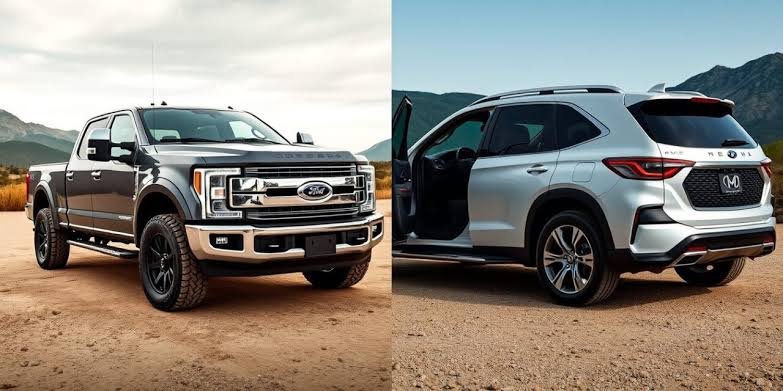
Choosing the right commercial vehicle is one of the most important decisions for any transport-driven business. Whether you run a local delivery service, a small trading company, or a large logistics operation, the vehicle you pick directly impacts profitability, efficiency, and long-term growth.
The big question most entrepreneurs face is this: Should you invest in a compact Small Commercial Vehicle (SCV) or go for a full-size truck?
Here’s a clear, practical guide to help you decide.
Understanding the Difference
What is a Compact SCV?
Compact SCVs are mini-trucks designed for short distances, light-to-medium loads, and city-focused operations. They are easy to manoeuvre, fuel-efficient, and cost-effective—making them ideal for small businesses or last-mile deliveries.
What is a Full-Size Truck?
Full-size trucks include medium and heavy commercial vehicles. These trucks are built for bulk loads, long distances, and challenging terrains. They offer higher payload capacity and better long-term scalability for growing businesses.
When a Compact SCV Is the Right Choice
Compact SCVs shine in environments where agility and efficiency matter more than brute power. Choose an SCV if:
- Your deliveries are within the city or short routes.
Narrow roads, traffic, and frequent stops are easier to handle with compact trucks. - You transport light to moderate loads.
Perfect for FMCG goods, groceries, parcels, small retail goods, or e-commerce deliveries. - Your budget is limited.
SCVs come with lower upfront cost, better mileage, and minimal maintenance expenses. - You need frequent trips.
Their efficiency makes them great for daily, multiple round trips.
If you run a kirana store, a distribution business, or a courier service, an SCV is often the most sensible choice.
When a Full-Size Truck Is the Better Option
Full-size trucks deliver power and capacity that SCVs simply cannot match. Choose a larger truck if:
- You move heavy or bulky cargo.
Construction materials, machinery, farm produce in bulk, and industrial goods require higher payload capacity. - You operate on long highway routes.
Full-size trucks are designed for long hauls, tough roads, and interstate supplies. - You want to reduce the number of trips.
Carrying more in a single journey saves time and fuel on large-volume operations. - Your business is scaling rapidly.
Bigger trucks support future expansion and high-volume contracts.
If your business involves manufacturing, wholesale supply, or interstate logistics, a full-size truck makes far better economic sense.
Key Factors to Consider Before Choosing
Regardless of size, choosing the right commercial vehicle depends on these core factors:
1. Cargo Type & Weight
Match your vehicle to the heaviest and largest load you expect. Under-capacity leads to overloading; over-capacity leads to wasted fuel.
2. Typical Routes
City routes → SCV
Highways, rural stretches → Full-size trucks
3. Operating Cost
SCVs have low running costs, while full-size trucks offer cost benefits through higher payload efficiency.
4. Frequency of Trips
Frequent small deliveries favour SCVs; fewer but bulkier deliveries favour larger trucks.
5. Future Growth
If you expect your business to grow into larger orders or long-distance transport, a bigger truck may be a smarter long-term investment.
SCV vs Full-Size Truck: Quick Comparison
| Feature | Compact SCV | Full-Size Truck |
| Payload | Low to Medium | High to Very High |
| Ideal Use | Intra-city, last-mile | Inter-city, bulk logistics |
| Fuel Efficiency | High | Moderate |
| Maneuverability | Excellent | Limited in city |
| Upfront Cost | Low | High |
| Scalability | Limited | Strong for future growth |
Final Verdict: Choose Based on Your Business, Not the Hype
There is no “one perfect vehicle” for every business.
If your operations revolve around urban deliveries, lighter loads, and budget efficiency, a compact SCV is the smarter, more economical choice.
If your business demands heavy loads, long distances, and high-volume transport, a full-size truck will give you better returns.
The right vehicle is the one that aligns with your business goals, operational needs, and growth plans.