
News List
Why India Lags Behind Western Countries in Commercial Vehicles

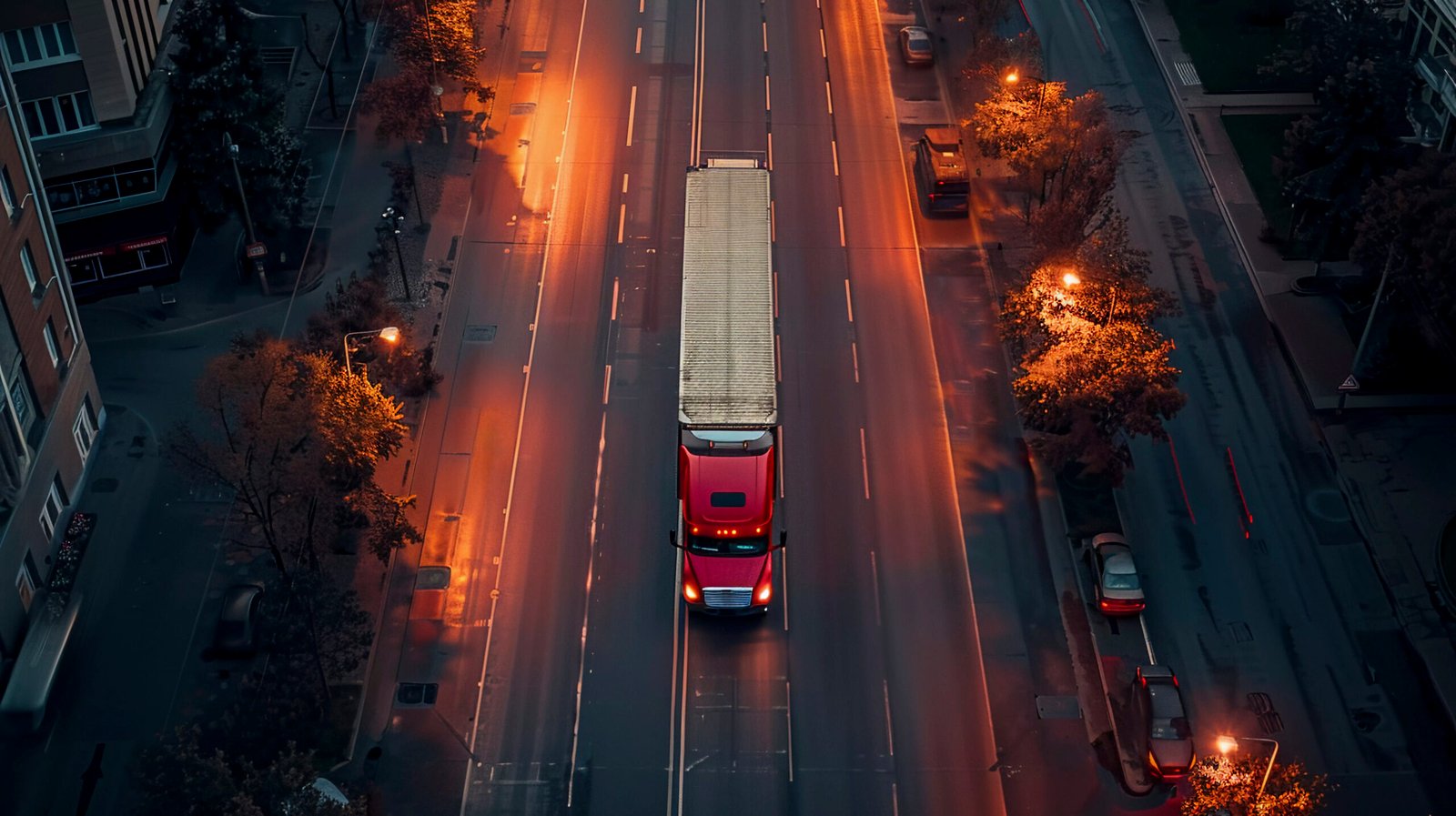
India is one of the fastest-growing markets for commercial vehicles (CVs), yet when compared to Western nations, it still lags in technology, efficiency, and overall transport ecosystem. While Indian manufacturers have made significant progress in recent years, several challenges continue to limit the sector’s full potential.
Technology and Innovation Gap
One of the biggest differences between India and Western countries lies in technology adoption. In nations like the US and Germany, commercial vehicles are equipped with advanced telematics, emission control systems, automation, and driver-assist features. In contrast, many Indian fleets still rely on basic models with limited technological integration.
Although a few major players have introduced connected trucks and electric CVs, the adoption rate remains slow. Cost sensitivity and lack of awareness prevent small operators from upgrading, resulting in older fleets dominating the roads.
Infrastructure Limitations
Road quality, logistics hubs, and highway infrastructure also play a major role. Western countries have well-planned logistics corridors and dedicated lanes for freight movement, ensuring smoother and faster deliveries. In India, congested roads, inconsistent maintenance, and limited parking or rest areas for truck drivers often delay transport schedules.
Poor infrastructure not only affects delivery timelines but also increases operational costs and vehicle wear and tear, reducing the overall efficiency of the transport system.
Policy and Regulation Gaps
India’s regulatory framework for commercial vehicles is improving, but enforcement remains inconsistent. Vehicle overloading, varying state-level policies, and slow implementation of emission standards have held back progress.
In comparison, Western nations have clear, uniform regulations governing weight limits, emission norms, and safety compliance. Strong enforcement ensures fair competition and higher standards across the industry.
Limited Fleet Modernisation and Driver Training
A large portion of India’s trucking industry consists of small fleet owners operating fewer than five vehicles. Limited financial access makes it difficult for them to invest in modern trucks or regular training programs. Western countries, on the other hand, focus heavily on driver education, digital tracking, and fleet management systems that improve safety and productivity.
The Road Ahead
India’s CV sector is gradually evolving. With the introduction of BS-VI emission norms, electric vehicle policies, and infrastructure projects such as the Bharatmala Pariyojana, the country is slowly moving toward global standards.
However, for India to truly catch up with its Western counterparts, it must invest in technology adoption, road infrastructure, and skill development. Collaboration between the government, manufacturers, and fleet operators will be essential in driving this transformation.
Conclusion
India’s commercial vehicle industry holds immense potential but continues to face challenges rooted in technology, infrastructure, and regulation. By bridging these gaps, India can pave the way for a more advanced, efficient, and sustainable CV ecosystem that stands tall on the global stage.