
News List
PM E-DRIVE e-truck push stalls despite ₹500 crore outlay

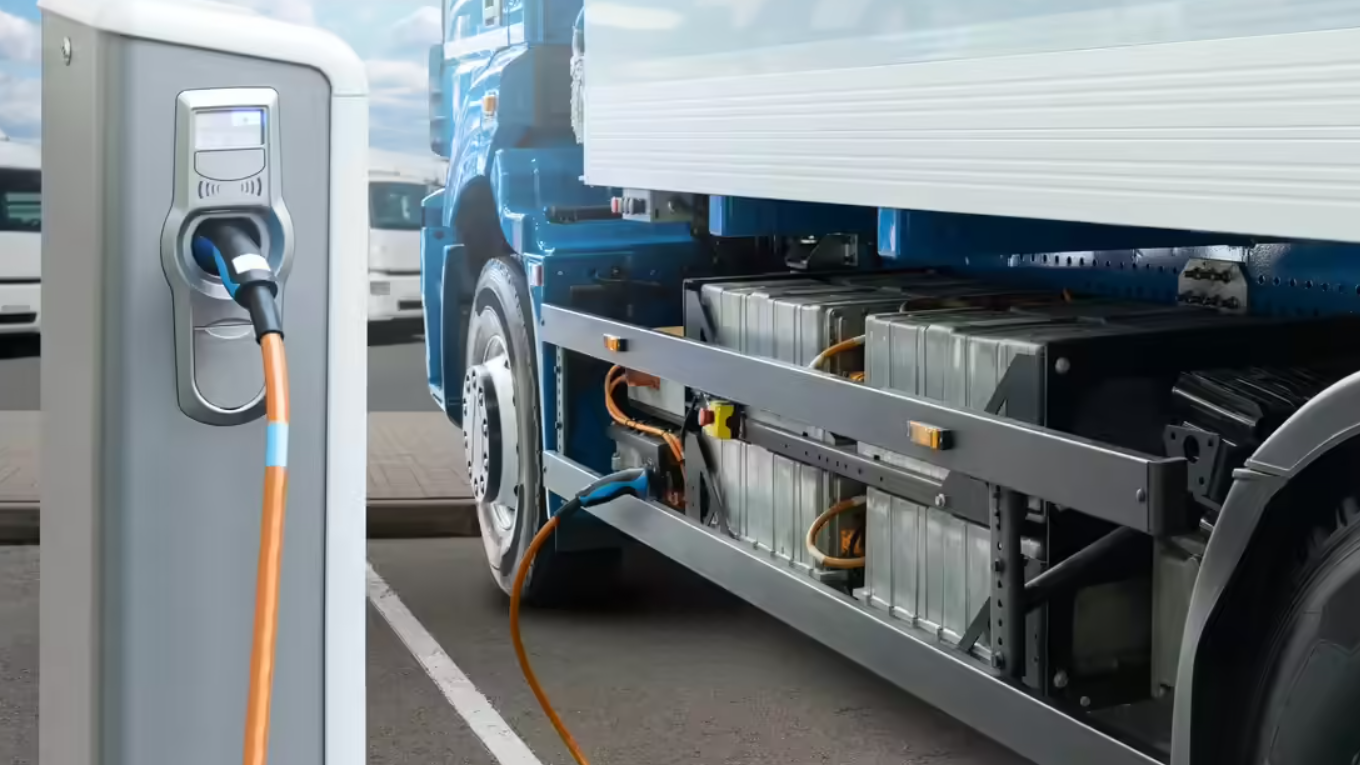
India’s push toward electric mobility in the heavy-duty segment is facing major hurdles, even with policy support under the PM E-DRIVE scheme. While the broader electric vehicle programme has shown progress, electric truck adoption continues to lag due to high costs, policy design issues, and infrastructure gaps.
A Parliamentary Standing Committee report tabled in early 2026 highlighted “nil achievement” in physical targets for heavy-duty electric trucks as of January, even though the overall EV programme achieved 58.6 percent of its goals.
PM E-DRIVE scheme struggles to boost electric trucks
The PM E-DRIVE scheme, which includes incentives for electric trucks, was initially set to end on March 31, 2026, but has now been extended until March 31, 2028. However, this extension has not yet led to strong adoption in the heavy-duty segment.
Under the PM E-DRIVE scheme, operators face serious cost challenges. A heavy-duty electric truck costs close to ₹1 crore, compared to ₹25 to ₹30 lakh for a diesel truck. While the scheme offers a subsidy of up to ₹9.6 lakh, additional expenses of ₹3 to ₹4 lakh for scrappage logistics, compliance, and documentation reduce the effective benefit.
This leaves a net benefit of only ₹5 to ₹6 lakh against a price gap of nearly ₹70 lakh, making electric truck adoption financially difficult for most operators.
Scrappage-linked incentives create barriers
A key feature of the PM E-DRIVE scheme is its scrappage-linked incentive structure, which requires operators to scrap older trucks of equal or higher gross vehicle weight to qualify for subsidies.
While the concept aims to reduce pollution, it creates practical challenges. Nearly 70 percent of fleets in India are owned by small operators or driver-owners who often lack the resources to manage the complex process.
The issue is worsened by the fact that many heavy-duty trucks, especially in the 55 tonne category introduced around 2018, are still in active use and not ready for scrapping. This limits the availability of eligible vehicles.
To address this, the government introduced an aggregation provision in March 2026. This allows operators to combine smaller trucks to meet eligibility requirements, meaning two lighter vehicles can be scrapped for one electric replacement. However, this adds more complexity, requiring coordination, documentation, and logistics for multiple vehicles.
Electric truck adoption remains minimal in India
Despite policy efforts, electric truck adoption remains a small part of the market. Electric vehicles accounted for just 1.83 percent of the overall commercial vehicle segment in FY26, with heavy-duty electric trucks forming only a small share.
This is despite the commercial vehicle market growing by 12.5 percent and the heavy-duty segment expanding by 17.7 percent during the same period.
Experts suggest that broader eligibility rules, such as allowing any truck within N2 or N3 categories to qualify for incentives, could help improve adoption.
Manufacturers ramp up electric truck supply
On the supply side, manufacturers are increasing investments and expanding their electric truck offerings. Tata Motors, which holds around 49 percent of the heavy-duty market, has launched electric models such as the Prima E.55S and secured orders for industrial transport.
Ashok Leyland is developing an electric truck corridor between Chennai and Bengaluru and has increased its capital expenditure to about ₹1,000 crore for EV development. Blue Energy Motors is also scaling production and testing battery swapping solutions.
Currently, deployments are focused on sectors like mining, cement, and port logistics, where fixed routes make electric trucks more practical.
Infrastructure and financing gaps slow transition
Beyond costs and policy design, infrastructure challenges continue to slow electric truck adoption. Fast-charging stations along key freight routes are limited, and standard chargers are not sufficient for heavy-duty vehicles.
The absence of a used electric truck market also discourages smaller operators, as resale value remains uncertain.
Industry analysts believe FY27 could be a turning point if policies are improved and charging infrastructure expands.
Ground challenges persist for dealers and operators
Dealers and operators face additional challenges during the transition. Many end-of-life trucks are still being dismantled in informal markets instead of authorised scrapping centres required under the PM E-DRIVE scheme.
State transport departments need to expand scrappage infrastructure to support the transition. Meanwhile, manufacturers are working to build more scrapping facilities and prepare for larger electric truck deployment in FY27.
Rising diesel prices due to global factors may also accelerate the shift toward electric trucks.
Conclusion
Electric truck adoption in India continues to lag despite policy support under the PM E-DRIVE scheme. High upfront costs, complex scrappage requirements, and infrastructure gaps remain key barriers. Stronger policy alignment and better ecosystem development will be crucial to drive growth in this segment.