
News List
Delhi EV Policy 2026 incentives and petrol ban plan

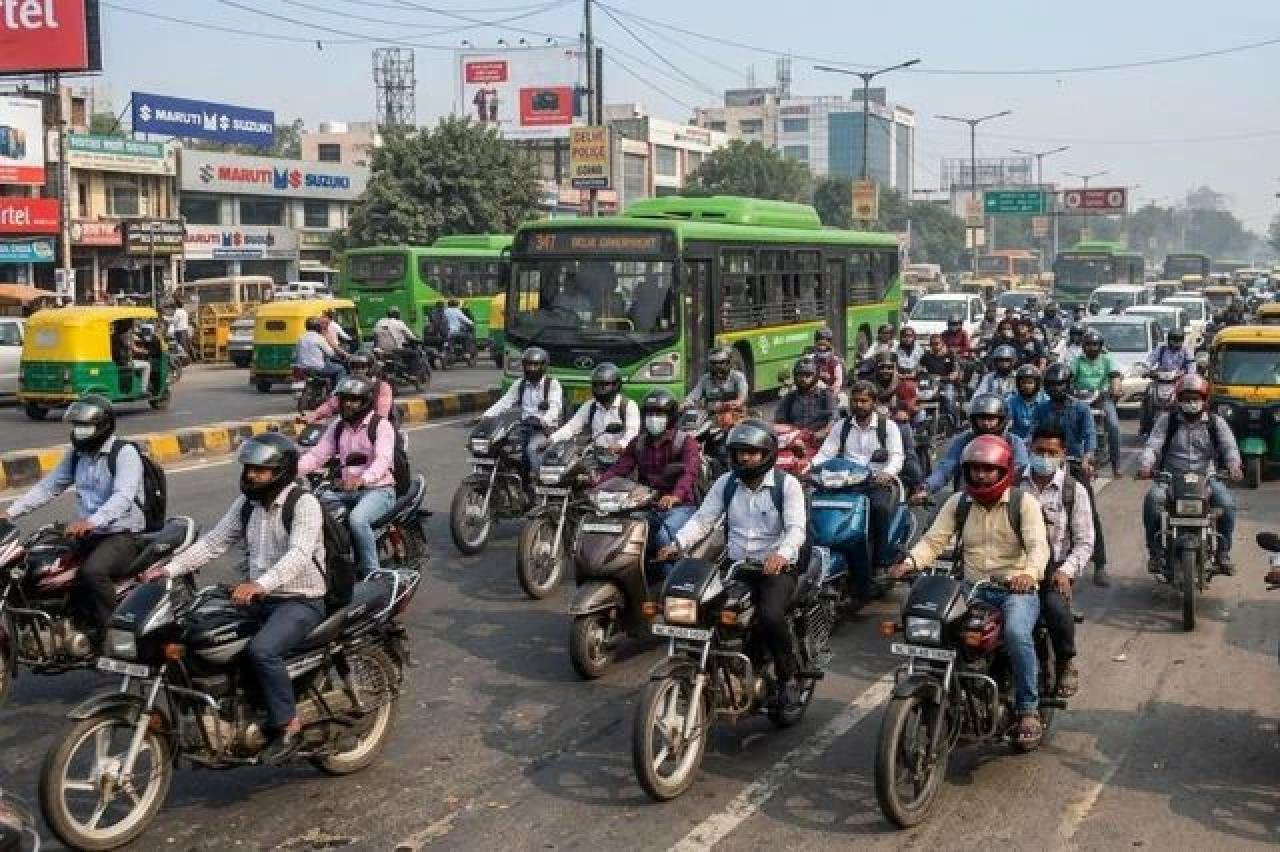
The Delhi government has proposed a major shift toward electric mobility under the Delhi EV Policy 2026-2030. The draft policy focuses on reducing pollution and accelerating EV adoption through a mix of financial incentives and restrictions on petrol vehicles.
A key highlight is the phased ban on petrol-powered two-wheelers and three-wheelers, alongside targeted subsidies to make electric vehicles more affordable.
Petrol vehicle ban under Delhi EV Policy 2026
The Delhi EV Policy 2026 proposes a strict transition timeline for phasing out petrol vehicles in key segments.
Ban on petrol two wheelers from 2028
Under the proposal, registration of new petrol two-wheelers will be banned from April 2028. Only electric two-wheelers will be allowed for registration after this deadline.
Electric three wheelers mandatory from 2027
For three-wheelers, the transition will happen earlier. From January 2027, only electric three-wheelers will be registered, replacing petrol and CNG variants.
Incentives for electric two wheelers explained
To support this transition, the Delhi EV Policy 2026 introduces battery capacity linked incentives for electric two-wheelers priced up to Rs 2.25 lakh.
First year and second year benefits
In the first year, buyers will receive Rs 10,000 per kWh, capped at Rs 30,000. In the second year, the incentive reduces to Rs 6,600 per kWh, with a maximum benefit of Rs 20,000.
Third year reduced incentive structure
In the third year, incentives will be further reduced to Rs 3,300 per kWh, capped at Rs 10,000, encouraging early adoption.
Financial support for electric three wheelers
The policy also provides direct incentives for electric three-wheelers, a key segment in Delhi’s transport ecosystem.
Buyers will get Rs 50,000 in the first year, Rs 40,000 in the second year, and Rs 30,000 in the third year. These benefits aim to ease the transition for commercial operators.
Incentives for goods vehicles and scrappage benefits
The Delhi EV Policy 2026 extends support to logistics and goods transport while also promoting scrappage of older vehicles.
Electric goods vehicles in the N1 category will receive Rs 1 lakh in the first year, Rs 75,000 in the second year, and Rs 50,000 in the third year.
Scrappage incentives include Rs 10,000 for two-wheelers, Rs 25,000 for three-wheelers, Rs 1 lakh for cars priced up to Rs 30 lakh, and Rs 50,000 for goods vehicles. This is aimed at removing older, polluting vehicles from the roads.
Conclusion
The Delhi EV Policy 2026 presents a strong roadmap for cleaner transportation in the capital. With a clear ban timeline and structured incentives, the policy is designed to accelerate EV adoption across multiple segments while reducing pollution levels significantly.