
News List
India Plans Stricter Vehicle Emission Norms From 2027

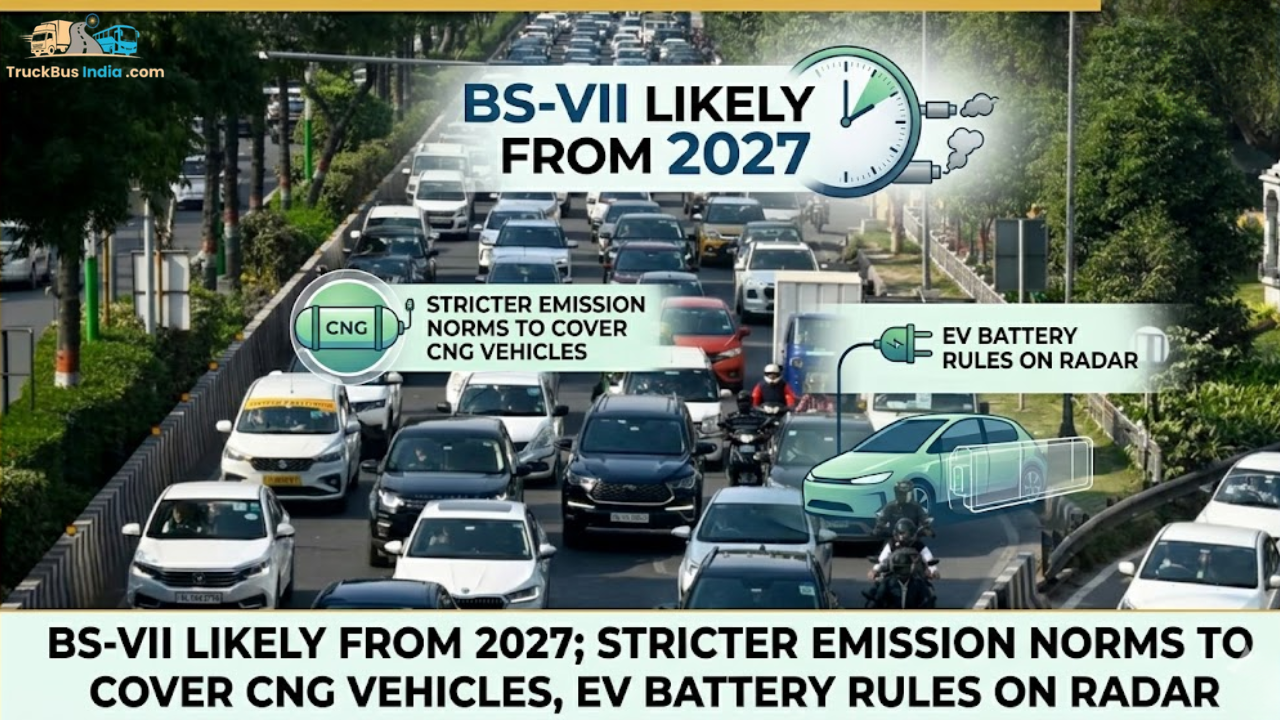
The Indian government is set to introduce tighter emission standards for cars, buses, and trucks from 2027 under the proposed Bharat Stage VII (BS-VII) regulations. The new rules will expand the range of pollutants monitored, reflecting efforts to reduce air pollution in major cities.
BS-VII will largely align with Euro VII standards but will be adapted to Indian fuel quality and driving conditions.
Expanded Emission Targets For Vehicles
The new norms will target pollutants more comprehensively across all vehicles, including light and heavy-duty models. Specific emissions from natural gas-powered vehicles will be regulated for the first time, and ammonia emissions will be closely monitored to curb urban smog formation.
Real-Time Pollution Monitoring
Vehicles sold from 2027 will be required to comply with real-time pollution monitoring systems, ensuring continuous tracking of emissions during operation.
EV Battery Endurance Considerations
The government is also examining minimum endurance requirements for electric vehicle batteries to improve longevity and performance, supporting growing EV adoption in India.
Alignment With Corporate Fuel Efficiency
BS-VII will complement the Corporate Average Fuel Efficiency (CAFE-III) regulations. Both initiatives aim for reduced fuel consumption and vehicle-specific emission reduction targets, with an implementation deadline of April 1, 2027.
Policy Coordination And Draft Release
Multiple ministries are working together to finalize BS-VII. The draft regulations are expected to be released soon for public consultation and stakeholder feedback.
BS-VII represents a major step toward cleaner mobility in India. By tightening emissions for all vehicles and considering EV battery standards, the government aims to improve air quality and accelerate the adoption of sustainable transport solutions nationwide.