
News List
Commerce ministry proposes EV duty cut to ease fuel import pressure

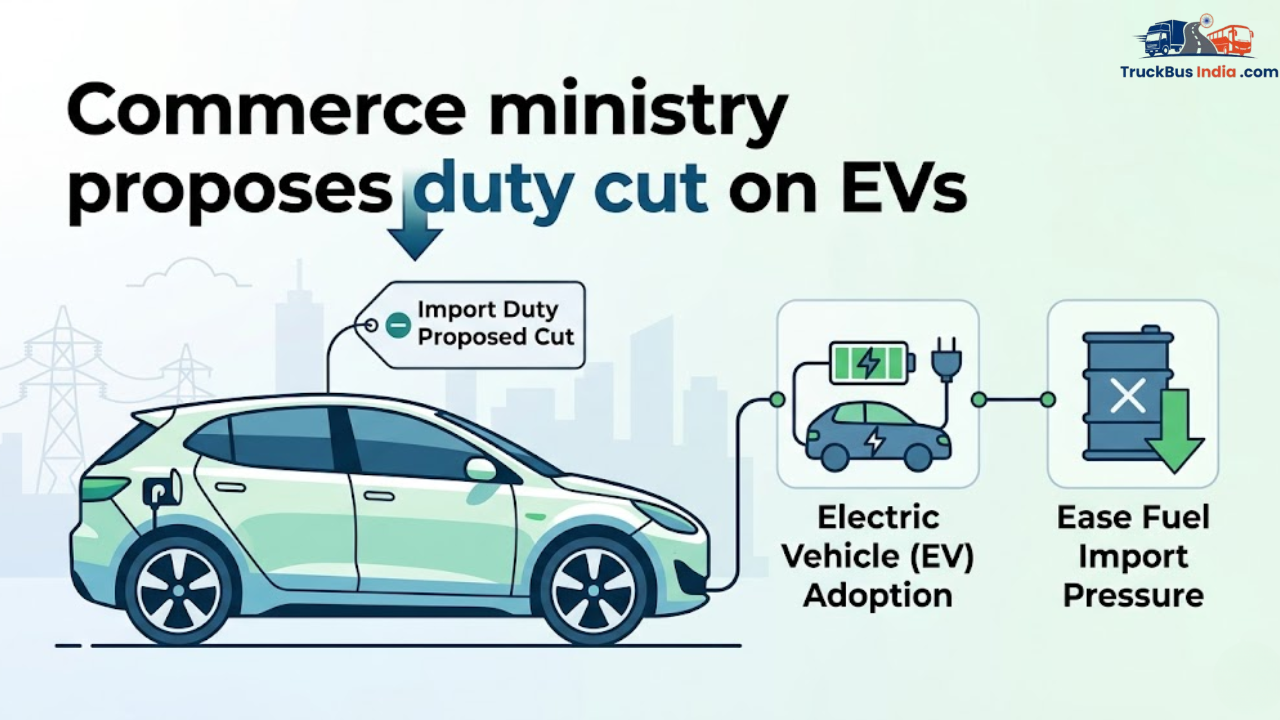
Bangladesh is stepping up efforts to accelerate electric vehicle adoption as rising fuel import costs and ongoing energy pressures weigh on the economy. The commerce ministry has proposed reducing duties on electric vehicles to make them more accessible, particularly in the commercial transport sector.
The proposal aims to correct tax disparities and support a long-term shift towards cleaner and cost-efficient mobility.
Bangladesh EV Duty Cuts Proposed For Imports
In a letter to the National Board of Revenue, the commerce ministry recommended lowering customs and supplementary duties on electric buses, trucks, dumpers, and excavators. The goal is to bring EV duties below those applied to fossil fuel-powered vehicles.
Officials believe the move will reduce operational costs in key sectors while cutting reliance on imported fuel.
Focus On Commercial Electric Vehicles
The proposal prioritises heavy and commercial vehicles, where fuel consumption is high and electrification can deliver significant savings.
Tax Disparity Between EVs And Fuel Vehicles
Current tax structures heavily favour conventional vehicles. A diesel or petrol bus attracts around 39.75 percent duty, while an electric bus faces nearly 93.16 percent.
Electric trucks are taxed at 61.80 percent compared to 39.75 percent for fuel-based trucks, while electric excavators face duties of up to 93.16 percent versus 28.73 percent for traditional machines.
Higher Taxes Discourage EV Adoption
Such disparities have discouraged businesses from investing in electric vehicle fleets despite long-term benefits.
Rising Fuel Costs Push Electric Vehicle Shift
Bangladesh is dealing with an extended energy crunch, worsened by global oil and gas supply disruptions linked to the Middle East conflict. Rising fuel prices are increasing production and transport costs across industries.
EVs Offer Cost Advantage Over Time
Diesel trucks consume 25 to 40 litres per 100 kilometres, making operations expensive. Electric vehicles, on the other hand, can cut energy costs by up to 40 to 60 percent depending on usage.
Policy Targets 30 Percent Electric Vehicle Fleet
The proposal aligns with the draft Electric Vehicle Industry Development Policy 2025, which aims for at least 30 percent of government and corporate fleets to be electric by 2030.
The policy also suggests reducing import duties on fully built EVs to below 37 percent and offering tax waivers on registration, advance income tax, and fitness certification.
Incentives To Encourage Buyers
Additional incentives include a 50 percent cut in registration fees and financing options covering up to 60 percent of vehicle value, repayable over eight years.
Bangladesh EV Adoption Remains Slow
Despite global growth, electric vehicle adoption in Bangladesh is still limited. Only 178 EVs were imported in FY25, and 82 in the first half of FY26. A plan to procure 400 electric buses is yet to be implemented.
Industry Calls For Local Manufacturing Push
Industry leaders have welcomed the proposal but stress the importance of supporting local production. Investments in EV manufacturing have already begun, but challenges such as high duties on components and infrastructure delays persist.
Partnerships like Runner Automobiles Limited’s tie-up with China’s BYD indicate growing interest in domestic assembly, though policy stability remains key.