
News List
5 Simple Ways Truck Fleets Can Reduce Fuel Burn

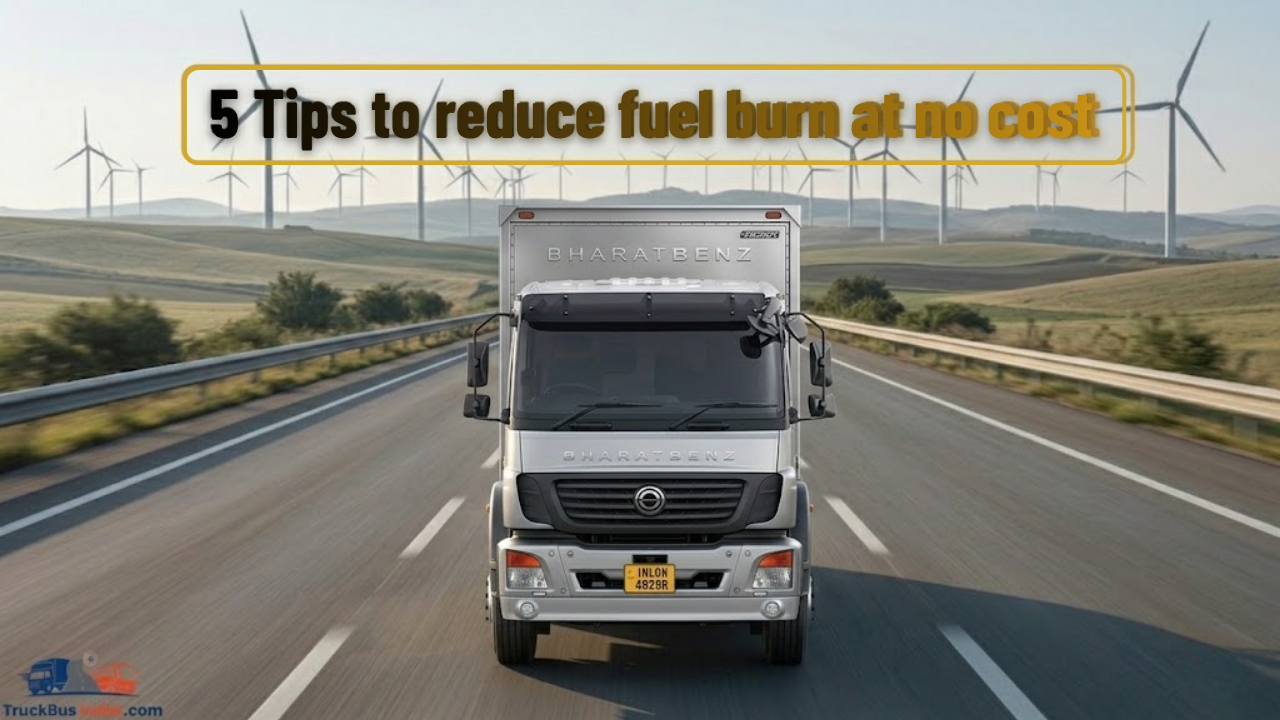
Rising diesel prices are cutting deep into trucking margins across North America. With Canadian retail diesel averaging $2.29 per liter and U.S. prices spiking above $5 per gallon, fleets are searching for ways to improve fuel efficiency without large investments. Here are five actionable strategies fleets can implement immediately.
Eliminate Engine Idling
Reducing idling is one of the easiest ways to save fuel. A big diesel engine burns about 4 liters (1 gallon) per hour while idling, which can cost $60 to $70 per night at current fuel prices. Encouraging drivers to shut off engines during rest periods and short waits can save significant fuel. Fleets can also use start/stop idle reduction features in ECMs, adjust warning alerts, or offer driver incentives to cut unnecessary idling.
Use Cruise Control Effectively
Modern trucks come with adaptive and predictive cruise control systems. Drivers who consistently use cruise mode can maintain fuel-efficient speeds and reduce excessive acceleration or braking. Fleets can monitor cruise usage, provide performance feedback, and reward drivers who follow efficient driving practices.
Maintain Proper Tire Pressure
Underinflated tires increase rolling resistance, forcing trucks to use more fuel. Running 10 psi below the optimal pressure can lower fuel efficiency by 2 to 3 percent and reduce tread life. Regularly monitoring and maintaining proper tire pressure ensures trucks roll efficiently, saving fuel and prolonging tire durability.
Minimise Tractor-Trailer Gap
The gap between a tractor and trailer affects aerodynamics. Large gaps increase drag, reducing fuel efficiency. Research shows that reducing the gap by just one foot can lower drag by 2.6 percent, translating into annual fuel savings of up to 425 gallons for long-haul trucks. Trucks with adjustable sliders can safely optimise this gap.
Reduce Speed and Train Drivers
Aerodynamic drag accounts for around 65 percent of fuel burn at highway speeds of 70 to 75 mph (110 to 120 km/h). Slowing down by 5 to 10 mph can improve fuel economy by 0.5 to 1 mpg, saving thousands of dollars annually. Driver behaviour also plays a major role, with smooth acceleration, coasting, and maintaining space between vehicles influencing fuel efficiency by up to 30 percent. Training drivers on these habits complements technological measures.
Conclusion
While fuel prices remain high, fleets can take immediate steps to reduce consumption without major investments. By addressing idling, optimising speed, maintaining tires, leveraging cruise control, and improving aerodynamics, fleets can lower fuel costs, improve efficiency, and enhance overall operations.