
News List
Nepal Ethanol Blending Boosts Bihar Producers Export Opportunities

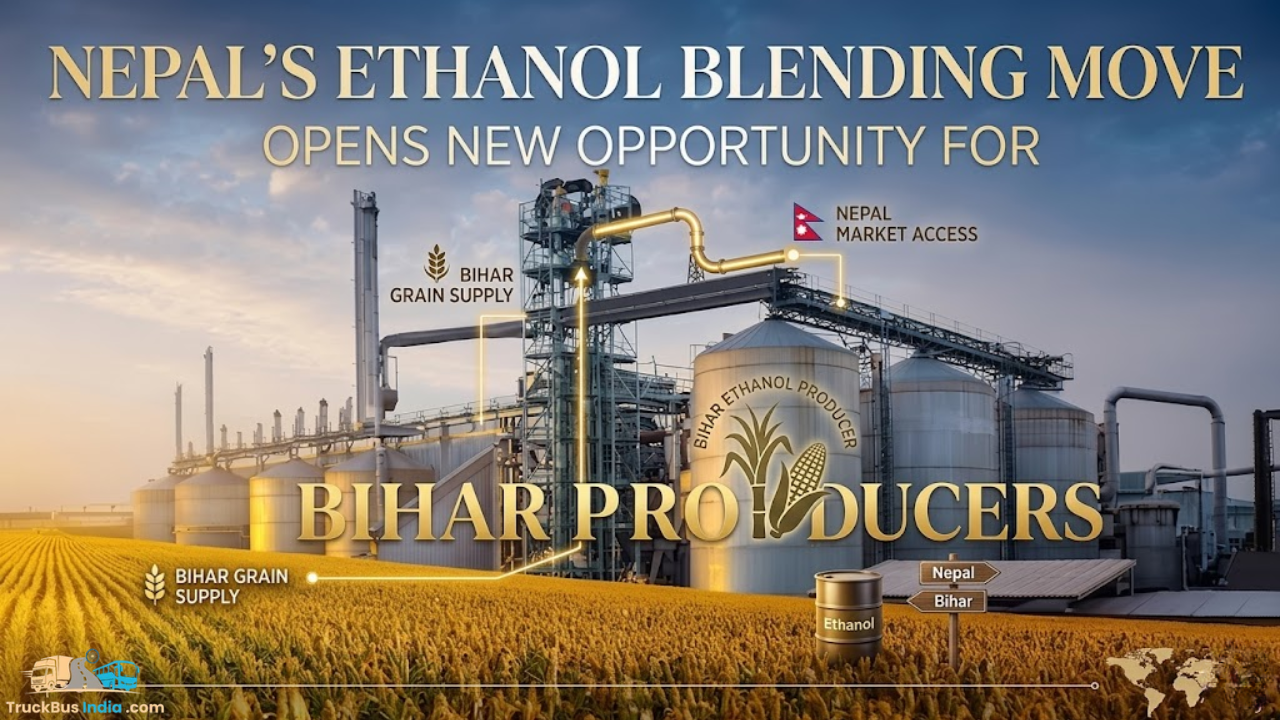
Nepal’s move to introduce ethanol blending in petrol is emerging as a major opportunity for Bihar’s ethanol producers. Triggered by fuel supply disruptions linked to the ongoing West Asia crisis, the decision is expected to reshape regional fuel trade while opening new export avenues for Indian producers.
Nepal Ethanol Blending Drives Fresh Demand
Nepal’s state-run petroleum company has decided to blend 10 percent ethanol with petrol to reduce dependence on imported fuel and manage rising costs. The move is aimed at lowering the oil import bill while easing pressure on foreign exchange reserves.
With an estimated annual petrol consumption of 730 crore litres, Nepal is expected to require around 73 crore litres of ethanol each year. However, domestic production remains limited, with current capacity ranging between just 2 to 3 crore litres. This significant gap has created immediate demand for external suppliers.
Bihar Producers Positioned To Meet Supply Gap
Bihar’s ethanol producers are well placed to benefit from this demand surge. The state has an installed production capacity of nearly 84 crore litres, offering enough scale to support exports.
Currently, around half of this production is already committed to oil companies under existing agreements, while the remaining capacity remains available. Industry stakeholders believe this surplus can be directed towards Nepal, helping producers improve utilisation levels and revenues.
Logistics Advantage Supports Ethanol Trade
One of Bihar’s biggest advantages is its geographical proximity to Nepal. Lower transportation costs and established fuel supply routes make cross-border ethanol movement more efficient.
Since Nepal already imports petrol through routes passing via Bihar, the same infrastructure can support ethanol transport. This logistical ease is expected to strengthen Bihar’s position as a preferred supplier.
Policy Clearance Crucial For Ethanol Exports
Despite strong potential, ethanol exports will depend on regulatory approvals. Nepal will need to formally approach the Government of India to initiate imports.
Once approvals are granted, Indian authorities are expected to coordinate with domestic oil companies and Nepalese firms to streamline supply operations. This includes setting up procurement processes and ensuring smooth cross-border logistics.
Industry Initiates Talks For Ethanol Supply
Industry bodies have already begun outreach efforts. Ajay Kumar Singh, president of the Bihar Ethanol Association, said Nepal’s oil companies are interested in sourcing ethanol directly from production units.
The association has reached out to Nepalese stakeholders for discussions, and a delegation from Bihar is likely to visit Nepal once meetings are scheduled. These talks are expected to play a key role in shaping future trade agreements.
New Export Path For Bihar Ethanol Sector
Nepal ethanol blending is set to open a promising export channel for Bihar producers, helping them utilise surplus capacity and overcome recent operational challenges.
If policy approvals and industry coordination move forward smoothly, this development could strengthen regional fuel cooperation while supporting Nepal’s transition towards blended fuels and energy efficiency.