
News List
Middle East Conflict Impacts India Corporate Sectors

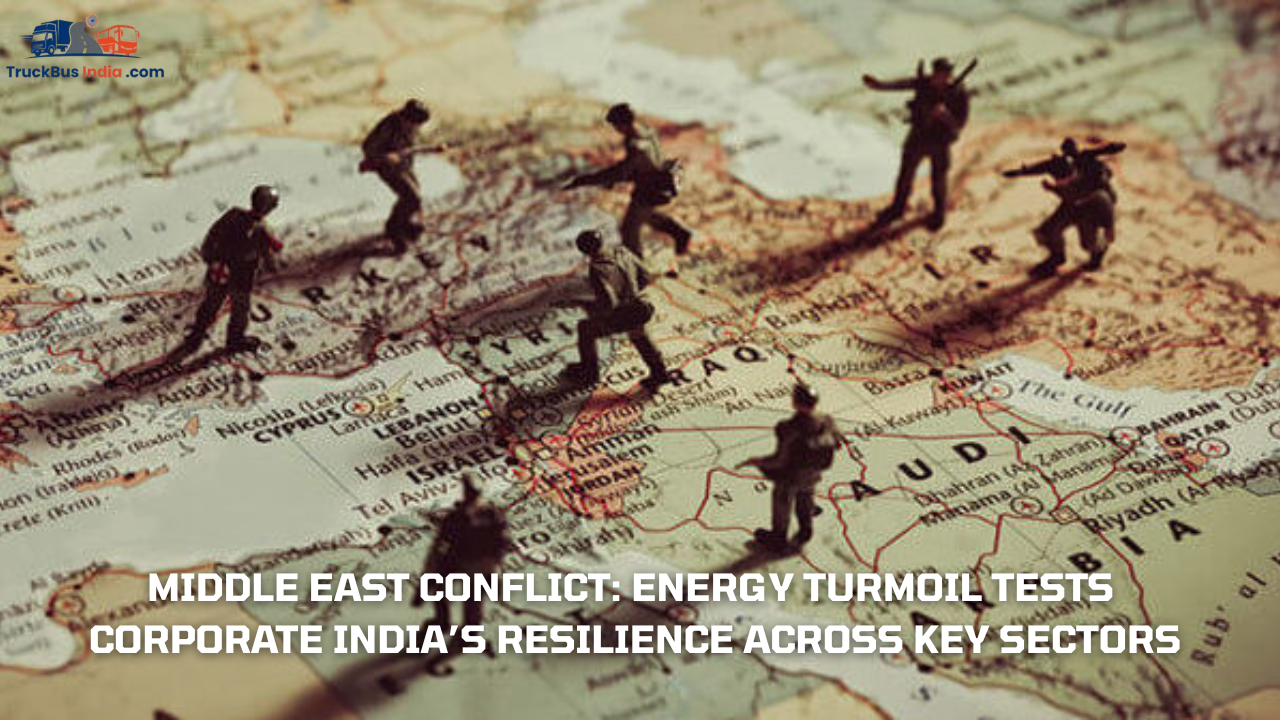
Rising tensions in the Middle East are beginning to create ripple effects across Corporate India, with multiple sectors facing cost pressures, supply disruptions and operational challenges. According to India Ratings and Research, the ongoing crisis could impact industries ranging from logistics and oil to chemicals and cement, while also reshaping long-term energy strategies.
Energy Crisis Triggers Wide Impact On Corporate India
The Middle East conflict is expected to create a broad spectrum of challenges for Indian companies, primarily driven by rising fuel costs and supply chain disruptions. Sectors such as logistics, fertilisers, cement, ceramics, city gas distribution and oil marketing companies are among the most exposed.
Lower-rated companies in the IND BBB category and below are likely to face immediate financial stress due to limited buffers, while higher-rated firms may be better equipped to absorb short- to medium-term shocks. At the same time, petrochemical companies could see short-term gains due to improved margins, while renewable energy players may benefit in the long run as India focuses on energy security.
Macroeconomic Pressure And Inflation Risks Increase
Elevated oil prices could put pressure on India’s current account deficit and weaken the currency through imported inflation. This creates a complex situation for the Reserve Bank of India, which may have to balance inflation control with economic growth.
A prolonged conflict could reduce consumption levels, increase fertilizer subsidy burden and delay investment recovery. These factors may collectively slow down economic momentum if disruptions continue over an extended period.
Logistics Sector Faces Major Disruptions
The logistics sector is among the first to feel the impact, with disruptions across key trade routes such as the Strait of Hormuz. Limited cargo movement and restricted port activity in the Middle East are increasing freight costs and delaying shipments.
Additional charges such as bunker surcharges, emergency levies and higher air freight fuel costs are adding to operational expenses. Some global shipping companies are adopting hybrid transport models, rerouting cargo through safer ports and completing inland transportation to maintain supply chains.
Oil And Gas Sector Sees Mixed Impact
The oil and gas sector is witnessing uneven effects across segments. Petrochemical companies are expected to benefit in the short term, with improved profitability and stronger margins, especially during the March quarter.
City gas distribution companies remain relatively stable for household and transport segments, but industrial and commercial users are facing reduced gas supply. Oil marketing companies are under pressure due to controlled retail fuel prices, which may lead to under-recoveries if crude prices remain high, although government support is expected to provide stability.
Chemicals And Fertiliser Industry Under Stress
The chemicals sector is facing raw material shortages and price volatility. Key inputs such as methanol, ethylene, propylene and naphtha are becoming scarce, forcing some manufacturers to consider partial shutdowns.
Fertiliser companies are particularly vulnerable as natural gas is both a fuel and feedstock. Reduced gas availability could lead to increased imports and higher subsidy requirements, potentially rising by ₹500 billion to ₹600 billion. Prolonged disruptions may further strain the sector’s financial health.
Cement Sector Faces Rising Cost Pressure
While cement demand in India remains largely driven by domestic infrastructure activity, the sector is exposed to global fuel price fluctuations. Power, fuel and freight together account for nearly half of production costs.
With pet coke and thermal coal prices rising by 18 to 20 percent, manufacturers are likely to face cost pressures. Larger players may manage better due to diversified fuel sources, but smaller companies could experience margin compression and financial stress if the situation persists.
Renewable Energy Sector Emerges As Long Term Winner
Amid the crisis, renewable energy is expected to gain traction as India strengthens its focus on energy independence. High LNG prices are making alternatives like green hydrogen more viable.
With increasing electrification and diversification of energy sources, solar capacity is likely to expand. The growth of green hydrogen projects, which rely heavily on solar power, could further boost the renewable ecosystem in the coming years.