
News List
India Slashes Petrol and Diesel Excise Duties Amid Global Oil Crisis

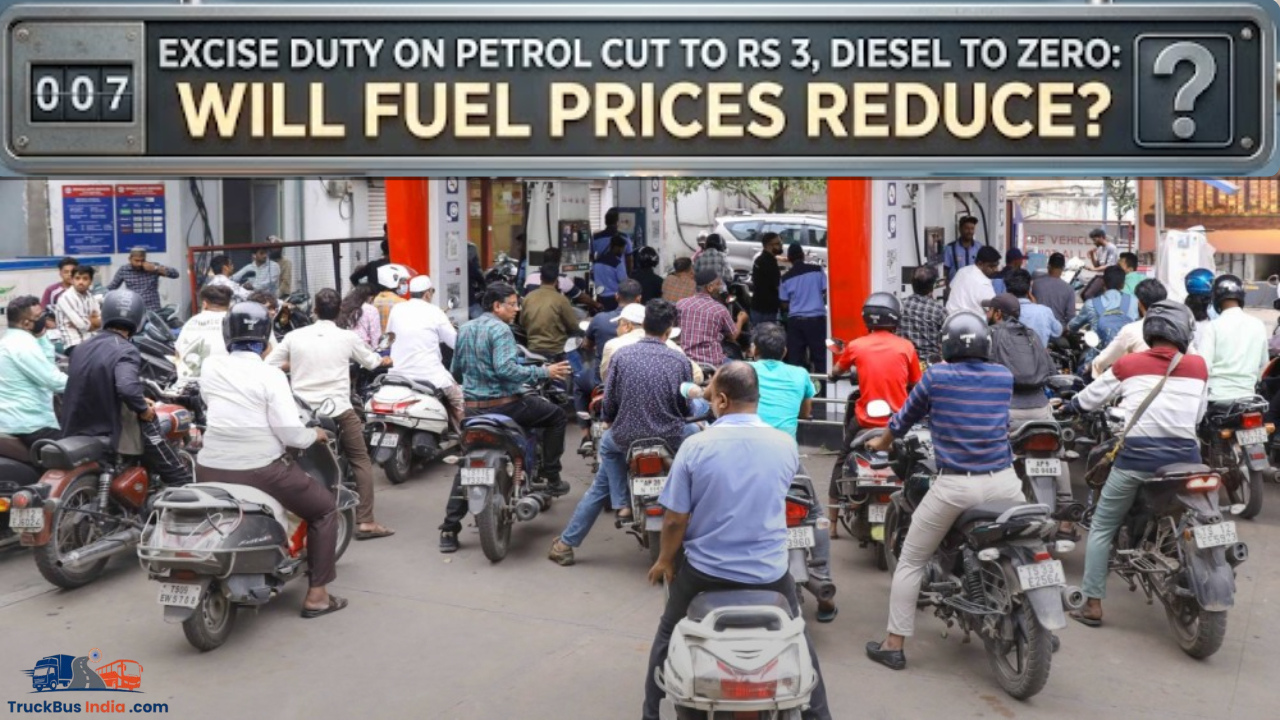
In response to skyrocketing global oil prices triggered by the US-Israel conflict and the Strait of Hormuz blockade, the Indian government on March 27, 2026, cut excise duties on petrol and diesel by ₹10 per litre. The move brings the central excise on petrol down to ₹3 per litre and diesel to zero, marking the latest effort to shield Indian consumers from international volatility.
Excise Duty Cut Details
The reduction targets the Special Additional Excise Duty, which fell from ₹13 to ₹3 per litre for petrol and from ₹10 to zero for diesel. Overall central taxes now stand at:
Petrol:
- Basic Excise Duty: ₹1.4
- Special Additional Excise Duty: ₹3
- Agriculture Infrastructure & Development Cess: ₹2.5
- Road and Infrastructure Cess: ₹5
Diesel: - Basic Excise Duty: ₹1.8
- Special Additional Excise Duty: 0
- Agriculture Infrastructure & Development Cess: ₹4
- Road and Infrastructure Cess: ₹2
The total excise on petrol decreased from ₹21.9 to ₹11.9 per litre, while diesel fell from ₹17.8 to ₹7.8 per litre.
Impact of Global Oil Disruptions
International crude prices surged from around $70 per barrel to $122 after the US-Israel war and the subsequent Hormuz blockade, a critical maritime channel for global crude oil and gas shipments. India relies on the strait for an estimated 40–50% of crude oil imports, or 2.2–2.8 million barrels per day. LPG imports from West Asia also pass through this route, serving over 33 crore households.
Petroleum Minister Hardeep Singh Puri said, “Prices have risen globally by 30–50% across regions. The government chose to absorb the financial burden to protect Indian citizens, instead of passing costs on to them.”
Will Consumers Benefit?
Industry sources caution that the excise duty cut may not immediately lower fuel prices at stations. Oil marketing companies (OMCs) are currently facing losses of ₹48.8 per litre due to high crude prices, meaning much of the duty reduction may offset corporate losses rather than reduce pump prices.
Meanwhile, Nayara Energy, India’s largest private fuel retailer, recently raised petrol and diesel prices by ₹5.3 and ₹3 per litre, highlighting ongoing market volatility.
Government Measures and Strategic Reserves
To counter supply shocks, the government has:
- Fast-tracked contracts to diversify crude and LPG imports
- Increased domestic LPG production by 25%
- Maintained strategic petroleum reserves at 3.372 million tons (two-thirds capacity), providing 60 days of oil cover and 30 days of LPG supply
- Ensured total fuel reserves at 74 days, including storage with OMCs
Authorities have dismissed reports of imminent shortages as misinformation aimed at causing panic buying.