
News List
Strait of Hormuz Crisis Disrupts Global Automotive Supply

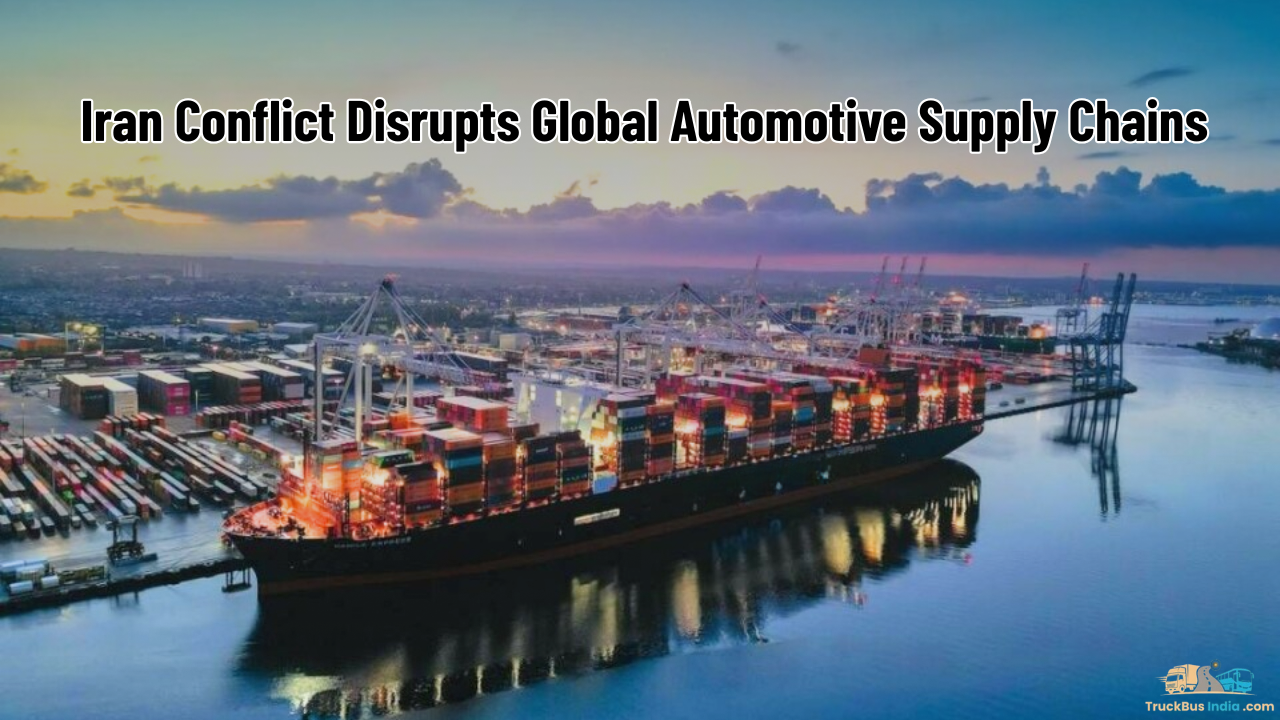
The sudden disruption in the Strait of Hormuz following strikes on Iran on 28 February 2026 has triggered severe ripple effects across global trade networks. Vessel traffic through the strategic waterway reportedly dropped by around 70 percent within hours, creating immediate pressure on fuel supply chains and industrial production systems worldwide. The Strait, which handles nearly 20 percent of global oil shipments, has become a critical chokepoint affecting energy markets and manufacturing sectors, particularly automotive production.
Global Shipping Routes and Supply Chain Diversion Impact
The disruption has forced shipping operators to reroute vessels around the Cape of Good Hope, significantly increasing transit times and operational costs. These alternative routes are adding an estimated 10 to 14 days to global shipping schedules, creating bottlenecks at key ports such as Singapore, Colombo, and Mundra in India. Air cargo operations have also been affected, with airspace restrictions across the Middle East reducing global cargo capacity by 18 percent and disrupting logistics flows.
Energy Supply Disruptions and Oil Market Pressure
The Strait of Hormuz crisis has raised concerns over global energy stability, as the route is essential for oil and liquefied natural gas transport. Qatar alone accounts for a significant share of LNG exports, while Gulf nations play a key role in oil refining and petrochemical supply. Disruptions are increasing costs across energy-dependent industries, with analysts warning of sustained volatility if shipping constraints continue.
Automotive Industry Production and Manufacturing Strain
Automotive manufacturers operating on just-in-time inventory systems are facing immediate production challenges due to delays in material supply. Companies like Toyota have already reduced production targets, while industry leaders report weakening consumer sentiment and rising uncertainty. Input materials such as steel, aluminium, and petrochemicals are becoming more expensive and harder to source, directly impacting vehicle manufacturing costs and timelines.
Impact on India Automotive and Industrial Supply Chains
India is among the most affected economies due to its heavy reliance on imported crude oil and liquefied petroleum gas. Around 90 percent of crude oil and nearly 60 percent of LPG imports pass through the Strait of Hormuz, making the country highly exposed to supply shocks. Automotive manufacturing facilities are experiencing pressure as LPG and natural gas shortages impact paint shops, furnaces, and forging operations. Labour disruptions have also emerged as migrant workers return home due to facility-level shortages.
Industry Response and Government Measures
Governments and industry bodies are responding with emergency coordination efforts to stabilise supply chains. In India, a dedicated committee has been formed to address LPG and gas supply constraints for industrial use. Automotive associations are urging the restoration of allocations to prevent deeper production cuts. Companies are simultaneously reassessing supply chain resilience strategies, including regionalisation and increased inventory buffers to reduce exposure to geopolitical risks.
Future Outlook for Global Automotive Supply Chains
Experts suggest that prolonged instability in the Strait of Hormuz could reshape global manufacturing strategies. Short-term disruptions may be manageable, but extended conflict could force manufacturers to prioritise higher-margin vehicles and accelerate shifts toward electric mobility. Analysts also predict a structural move toward more resilient and decentralised supply chains, even if it increases operational costs in the near term.
- Vessel traffic fell sharply by nearly 70 percent after strikes
- Oil, LNG, and petrochemical flows face major disruption
- Shipping rerouted via Cape of Good Hope, adding delays
- Air cargo capacity reduced across Middle East routes
- India faces pressure due to high import dependency
- Automotive production impacted by LPG and material shortages
- Governments and industry bodies coordinating emergency response
- Supply chain restructuring expected in long-term planning