
News List
Eassons Transport Targets Reefer Efficiency to Lower Costs

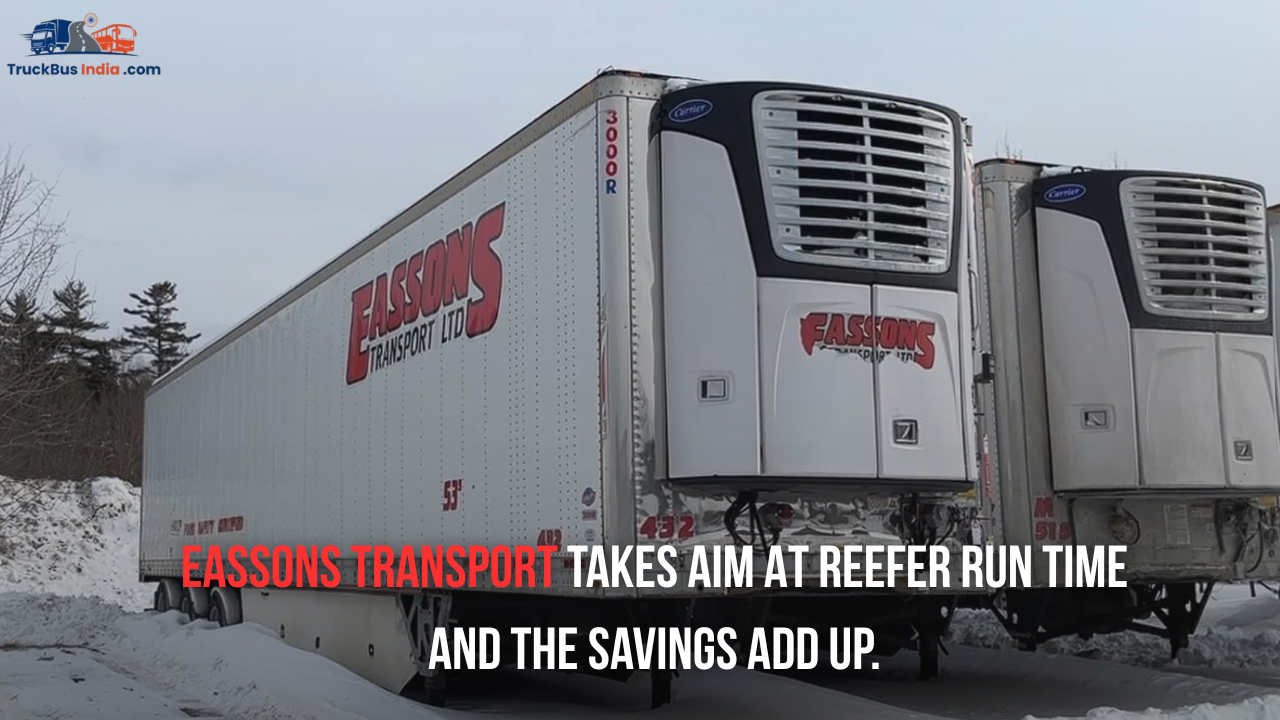
A legacy trucking company with over eight decades of operations is focusing on smarter fleet management to improve efficiency and sustainability. With a large fleet of trucks and trailers, the company is now prioritising fuel savings and emission reduction through targeted operational changes, particularly in refrigeration unit usage.
Reefer Runtime Reduction Strategy
The company has identified refrigeration units as a major area for optimisation. Since frozen cargo does not require constant cooling, the fleet is adjusting auto start-stop settings to reduce unnecessary engine usage.
The goal is to cut reefer runtime by 10 percent without affecting cargo quality. This change allows better fuel management while maintaining temperature control standards during transport. It also reflects a shift towards data-driven decision-making in fleet operations.
Cost and Emission Impact of Reduced Runtime
Refrigeration units contribute significantly to operational expenses. With trailers running approximately 145 hours per month and costing around $5.50 per hour, even a small reduction can generate large savings.
A 10 percent decrease in runtime could result in savings of nearly $45,000 per month. At the same time, fuel consumption, currently estimated at around 300,000 litres monthly, could be reduced substantially.
Lower fuel usage also translates into environmental benefits, with potential emission reductions of about 80 metric tons of carbon output each month.
Driver and Technology Role in Efficiency Gains
To support these improvements, the company is focusing on both driver behaviour and technology adoption. A structured performance system now tracks fuel efficiency and encourages drivers to follow best practices.
At the same time, a fleet management platform is being used to monitor metrics such as idle time and fuel consumption. This enables better benchmarking and helps identify areas where further improvements can be made.
In addition, systems like optimised idle control and shore power connections are helping reduce unnecessary engine usage while improving driver comfort during rest periods.
Equipment and Operational Improvements
Beyond refrigeration, the company is improving overall vehicle efficiency through upgrades and operational strategies. These include aerodynamic enhancements, efficient transmissions, and specialised tyres designed to reduce rolling resistance.
Key measures include: improving airflow through aerodynamic add-ons, using automated transmissions for better fuel control, adopting low rolling resistance tyres for long-haul efficiency, installing shore power to reduce idling, and encouraging cruise control usage to stabilise fuel consumption.
These combined efforts create a more efficient fleet that balances performance with cost control.
Conclusion
By focusing on reducing reefer runtime and improving overall fleet efficiency, the company is taking a practical approach to cost savings and sustainability. The combination of technology, driver engagement, and equipment upgrades is helping deliver measurable results.
Such strategies highlight how even incremental changes in operations can lead to significant financial and environmental benefits over time.