
News List
Indian-Flagged Tanker Completes First Crude Transit Through Strait of Hormuz Amid Tensions

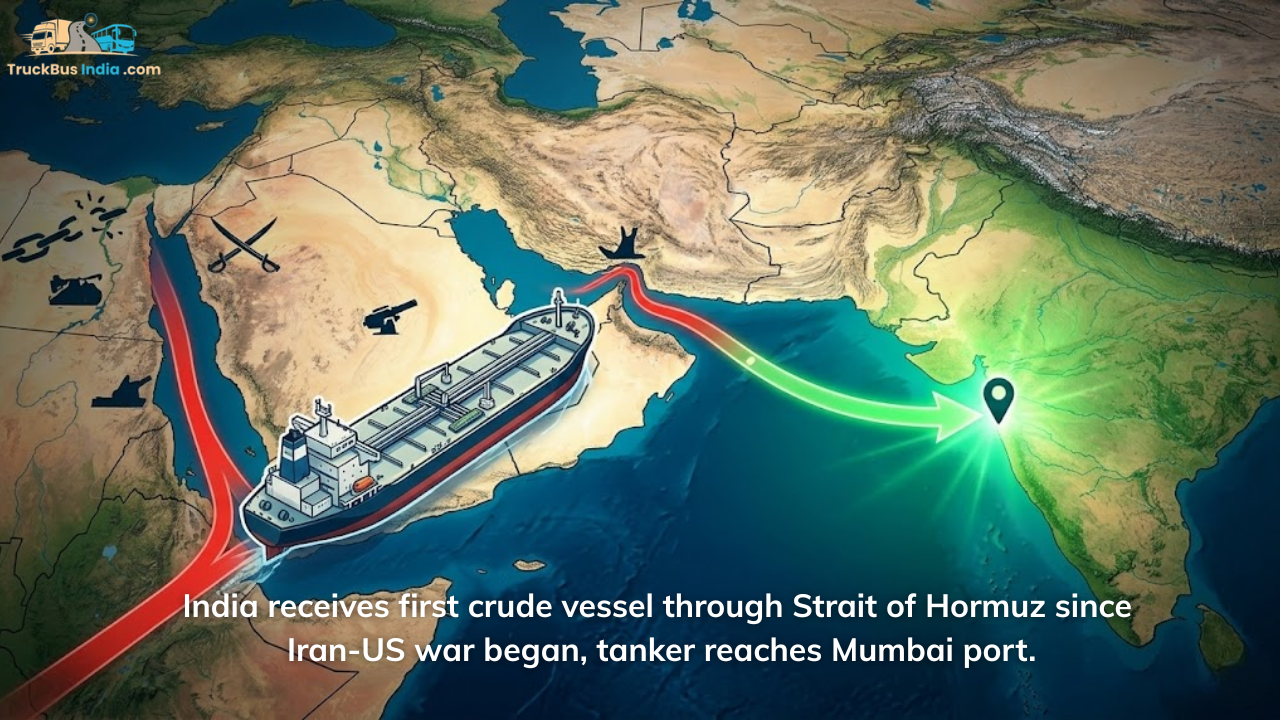
A Liberian-flagged tanker, Shenlong Suezmax, carrying crude from Saudi Arabia, successfully navigated the Strait of Hormuz and berthed at the Mumbai port on March 11, 2026. The vessel, captained by Indian officer Sukshant Singh Sandhu, transported 1,35,335 metric tonnes of crude oil from Ras Tanura. The ship’s journey marks the first India-bound crude transit through the strait since maritime traffic was disrupted following US and Israeli attacks on Iran. Officials confirmed the tanker was berthed at Jawahar Dweep and began discharging cargo destined for refineries in Mahul, eastern Mumbai, with the operation expected to take about 36 hours.
Navigating Perilous Waters
The Shenlong’s voyage involved significant risk, as the vessel temporarily turned off its AIS (Automatic Identification System) transponders while passing through the strait, a region where Iran has attacked merchant ships and restricted oil transit to countries other than China. Tracking data from Llyod’s List Intelligence and TankerTrackers showed the tanker entering the strait on March 8 and reappearing on databases March 9. The safe arrival of the vessel is seen as a relief to India, which depends on the Strait of Hormuz for more than half of its crude and gas supplies.
Status of Indian-Flagged Ships
Despite this success, 28 Indian-flagged vessels remain in or near the strait, with eight ships that were east of the channel moving to safer waters in the Arabian Sea, including Desh Mahima, Swarna Kamal, and LNGC Aseem. Some vessels have assumed Chinese identities or deactivated AIS signals to avoid detection amid signal jamming and spoofing. Indian authorities have not imposed sailing restrictions but emphasize situational awareness and threat assessment for crews navigating these waters.
Implications for the Automobile Industry
The disruption of crude oil supplies through the Strait of Hormuz has direct implications for India’s automobile sector. Rising crude prices increase the cost of petrol and diesel, which affects fuel-intensive manufacturing processes and operating costs for commercial fleets. Higher oil prices can slow vehicle sales, especially for petrol and diesel models, and put pressure on logistics-dependent businesses. Conversely, sustained disruptions may accelerate the adoption of electric vehicles as companies and consumers seek alternatives to reduce reliance on imported crude.